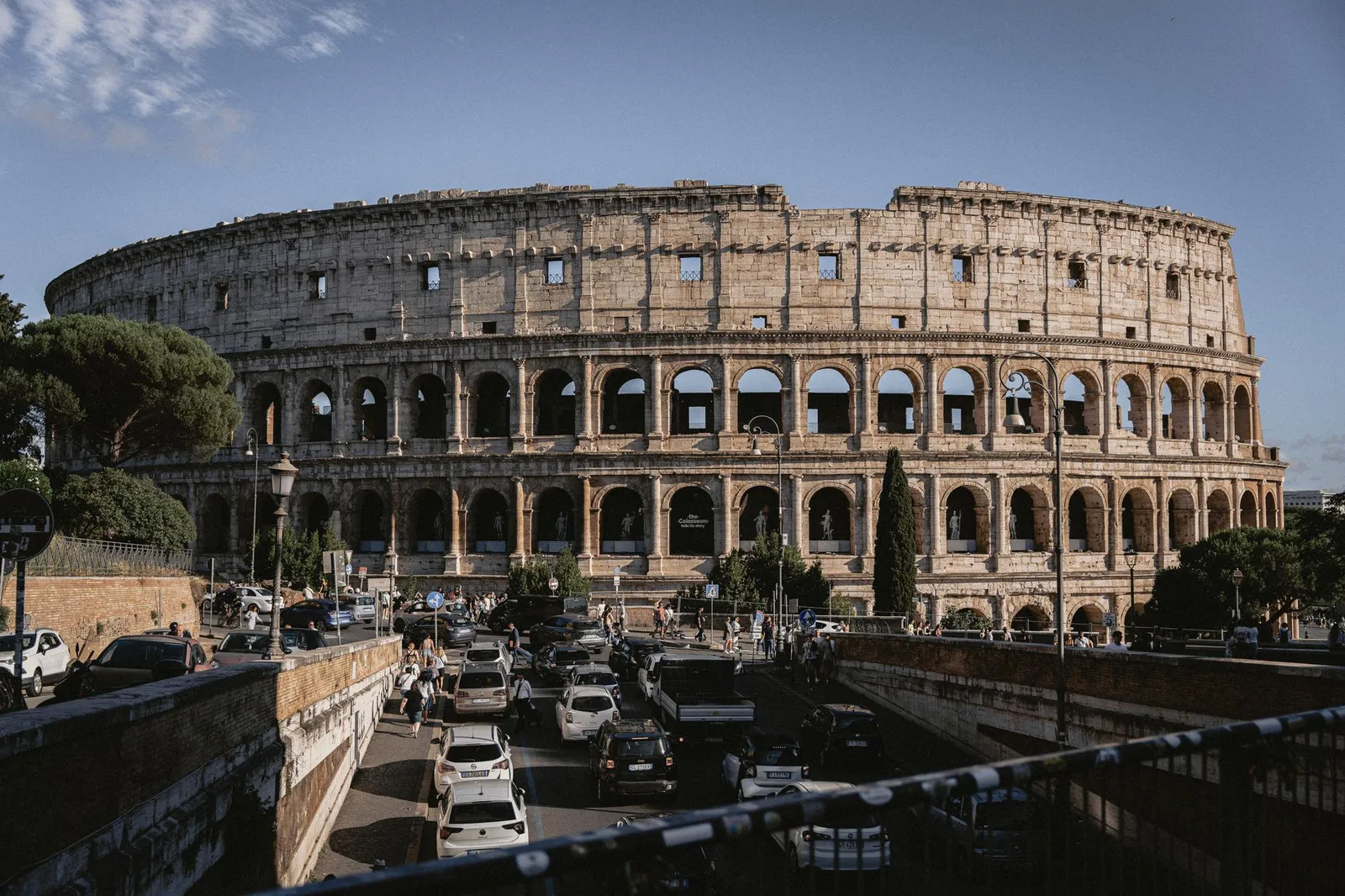
Italy rewards travellers with layered history, world-class art, distinctive regional food and a coastline that stretches from the Adriatic to the Mediterranean. Rather than trying to see everything, most visitors pick one or two cities as a base and explore outwards. The right choice depends on the kind of trip you want — headline sights, quiet culture, coast and nightlife, or good value.
Which city in Italy?
First-timers usually gravitate to Rome for its concentration of landmarks around the Colosseum, or Florence, a compact and walkable home of Renaissance art. Venice, built around St Mark's Square, suits romance and slow wandering, while Milan and Turin lean modern, with the Duomo and Mole Antonelliana anchoring stylish, business-minded cities.
For food and atmosphere, Bologna and its Two Towers is a student-rich culinary hub, and Naples offers a raucous historic centre near the coast and islands. Verona's Arena makes a graceful northern base, while the south — Palermo, Catania beneath Etna, and Bari Vecchia in Puglia — brings warmth, beaches and better value.
15 cities to choose from
Planning a trip to Italy
- Getting around
- Italy's high-speed and regional trains link major cities quickly and reliably, making rail the default for hops like Rome–Florence–Venice. Domestic flights help bridge longer distances, particularly to Sicily and the far south. Driving suits rural regions and Puglia but is best avoided in city centres. Ferries connect the mainland with Sicily and coastal towns, and are useful around Naples.
- Best time to visit
- Spring and autumn are generally the sweetest spots, with mild weather and thinner crowds than peak summer. July and August bring heat and the busiest sights, especially in Rome, Florence and Venice, while southern cities like Palermo, Catania and Bari stay warm well into autumn. Winter is quieter and cooler, with northern cities such as Milan and Turin often damp but atmospheric.
Italy: common questions
Which city should I stay in?
For a first trip, Rome or Florence give you the most iconic sights within reach. Choose Venice for atmosphere, Bologna or Naples for food, and Palermo, Catania or Bari if you want warmth, coast and value in the south.
How many cities can I combine?
On a week-long trip, two or three is comfortable — for example Rome, Florence and Venice, all linked by fast trains. Trying to add Sicily or Puglia usually means a domestic flight and more travel time, so it's better kept for a separate visit.
Is Italy good for a first trip?
Very much so. The cities are walkable, the train network is efficient, and English is widely understood in tourist areas. Rome and Florence are especially forgiving for first-timers thanks to their compact centres and concentration of major sights.
Where should I base myself for beaches?
The northern art cities aren't coastal bases, so head south. Naples opens up the bay and nearby islands, while Bari in Puglia and the Sicilian cities of Palermo and Catania put you closer to Mediterranean beaches and coastline.
Independent guides to where to stay in Italy — chosen on facts and verified before we publish.