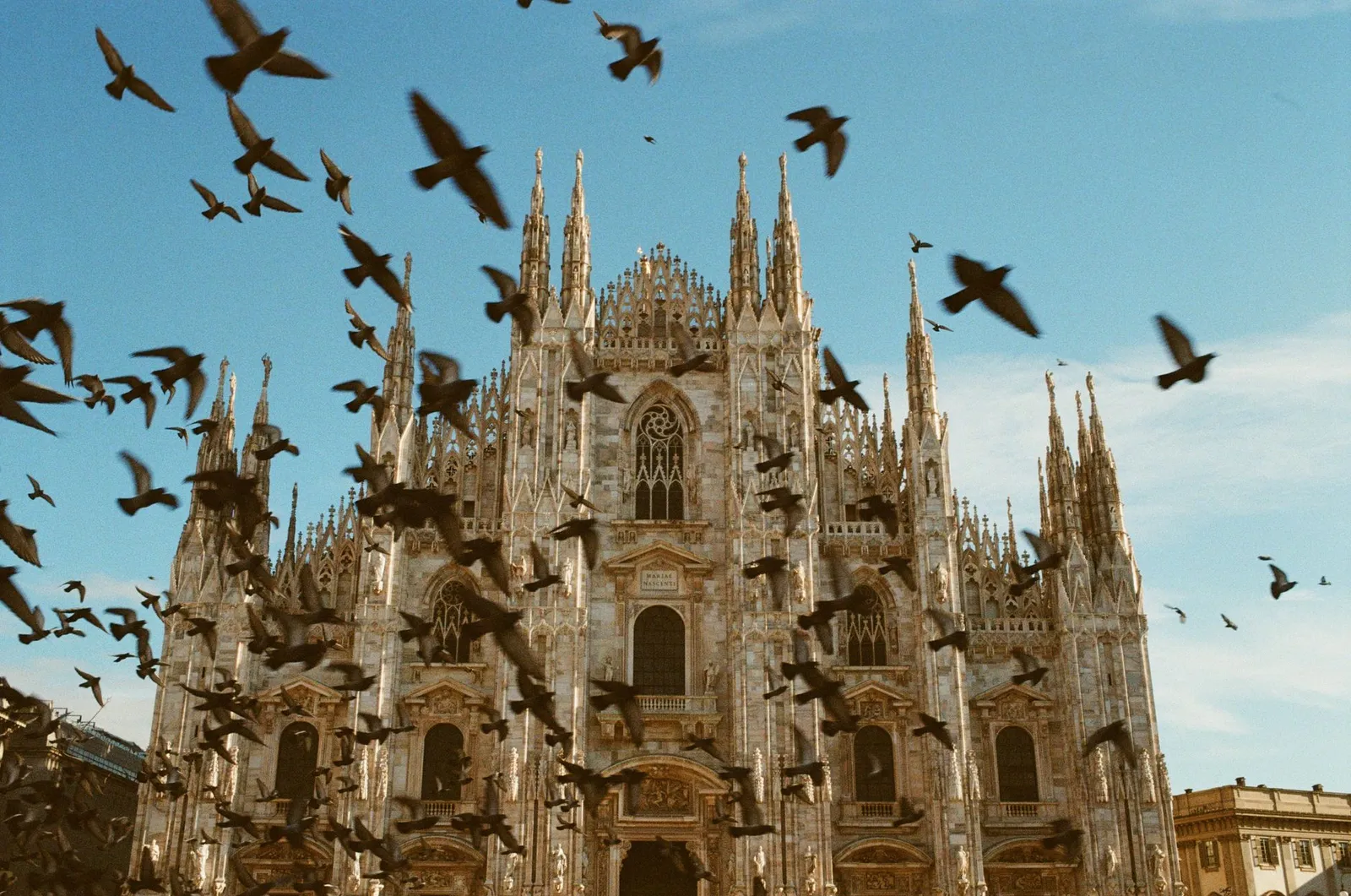
For a first visit, base yourself in the Centro Storico around the Duomo for landmarks and walkability. Brera suits those wanting an atmospheric, upscale district, while Navigli is best for nightlife and canalside dining. For better value and easy transport, the areas around Stazione Centrale and Porta Venezia work well, and families often prefer the quieter, greener zones just outside the core.
The areas, by traveller
Centro Storico (Duomo)
The heart of Milan, wrapped around the Duomo and the Galleria Vittorio Emanuele II. Everything is walkable and major metro lines converge here, though it's one of the busiest and priciest parts of the city.
Explore Centro Storico (Duomo) →Brera
An elegant district of cobbled lanes, galleries and cafés just north of the Duomo, home to the Pinacoteca di Brera. It feels refined and village-like while staying central.
Explore Brera →Navigli
Built around Milan's historic canals, this southern district comes alive in the evening with bars, aperitivo spots and restaurants. Lively and social, it can be noisy late at night.
Explore Navigli →Porta Venezia
A well-connected, diverse residential area east of the centre with leafy streets and the Giardini Pubblici nearby. Good metro links make the Duomo an easy ride away.
Explore Porta Venezia →Stazione Centrale / Porta Nuova
Around the main railway station and Milan's modern skyscraper district, this area is ideal for airport and train connections. Porta Nuova adds contemporary architecture and open piazzas.
Explore Stazione Centrale / Porta Nuova →Sant'Ambrogio / Cadorna
A calmer western pocket near the Basilica di Sant'Ambrogio and Santa Maria delle Grazie. Central enough to walk to the Duomo but more residential in feel.
Explore Sant'Ambrogio / Cadorna →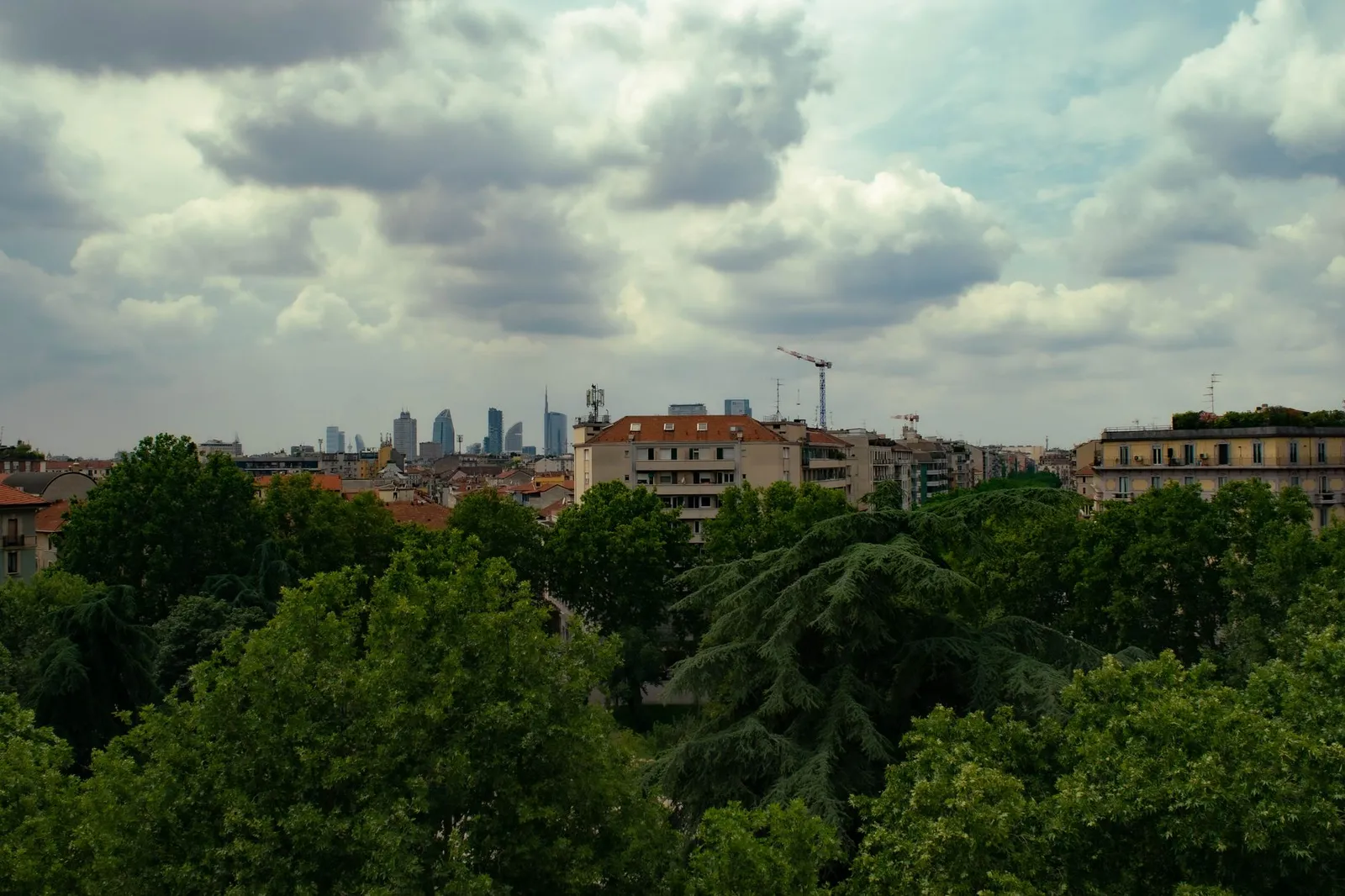
Practical basics
- Getting in
- From Malpensa (MXP), the Malpensa Express train and airport coaches run to central Milan, with the station area offering the easiest onward connections.
- Best time to visit
- Spring and early autumn bring mild weather and fewer crowds, while summer is hot and many locals leave in August.
- Getting around
- Milan's metro, trams and buses are extensive and efficient, so most central neighbourhoods are easy to reach without a car.
- Currency
- Italy uses the euro (EUR), and cards are widely accepted across the city.
Frequently asked
Where should first-time visitors stay in Milan?
The Centro Storico around the Duomo is the classic first-time base, putting you within walking distance of the cathedral, the Galleria and major metro lines.
Which area is best for nightlife?
Navigli, along the canals, has the highest concentration of bars, aperitivo spots and late-night dining, making it the go-to for evenings out.
Is it better to stay near Stazione Centrale?
It's a smart choice if you value transport links to the airport and other cities, though it feels more functional than the historic core; a short metro ride still reaches the Duomo quickly.
Cities near Milan
Hand-picked hotel guides for Milan — real hotels, exact prices and distances — are on the way. This page will grow into the full recommendation set.
An independent guide to where to stay in Milan — hotel recommendations are on the way.