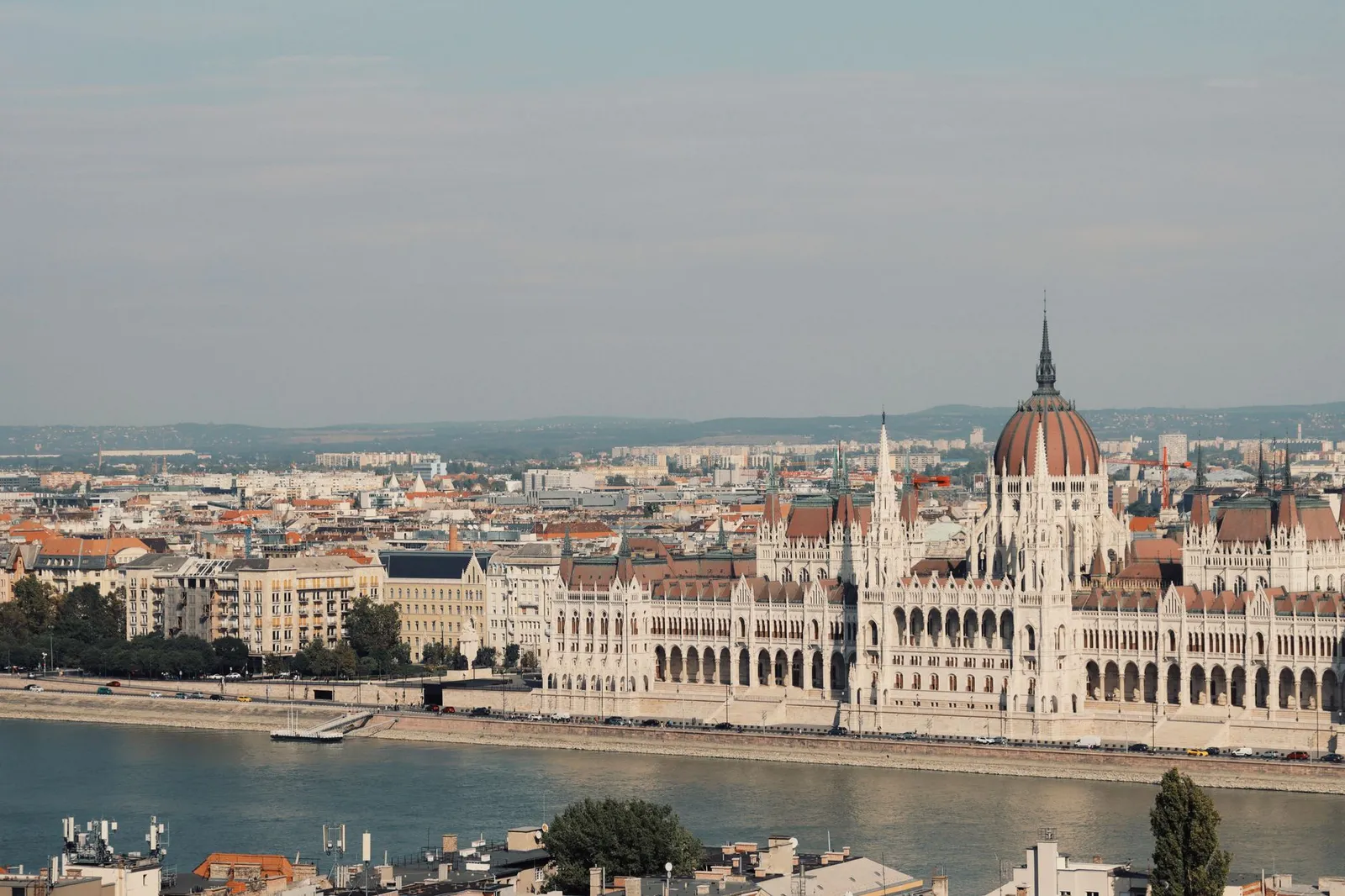
For a first visit, base yourself in District V (Belváros-Lipótváros), the central Pest district next to the Parliament and the Danube, ideal for first-timers who want to walk to the main sights. District VII (the old Jewish Quarter) suits nightlife and younger travellers thanks to its ruin bars, while the Castle District and Víziváros in Buda suit couples and quiet-seekers after historic views. Districts VI and IX are good all-round picks for mid-range and budget-conscious visitors near transport.
Six areas, six different trips
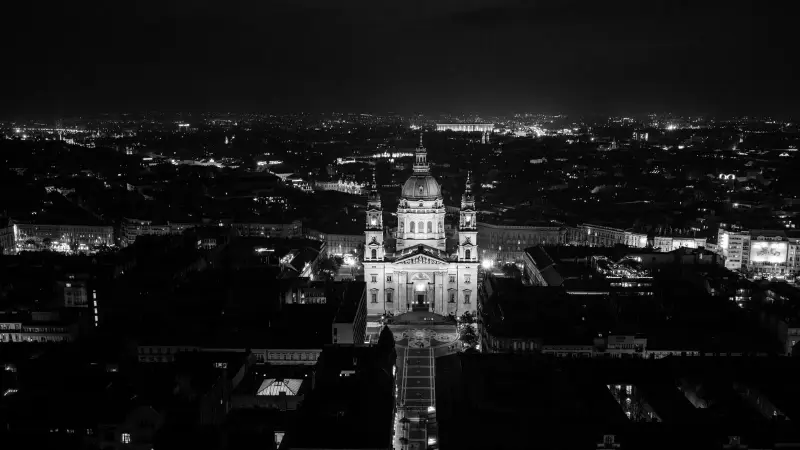
District V (Belváros-Lipótváros)
The heart of Pest, wrapping around the Parliament and stretching to the Danube promenade and pedestrian Váci utca. Almost everything central is walkable, and it's well connected by metro.
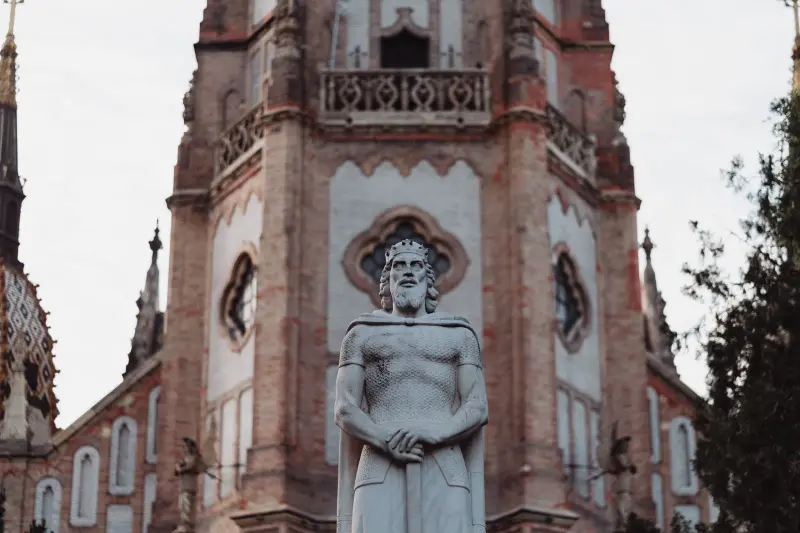
District VII (Jewish Quarter / Erzsébetváros)
Home to the famous ruin bars, cafés and the Great Synagogue, this district buzzes after dark. Central and lively, though streets near the bars can be noisy at night.
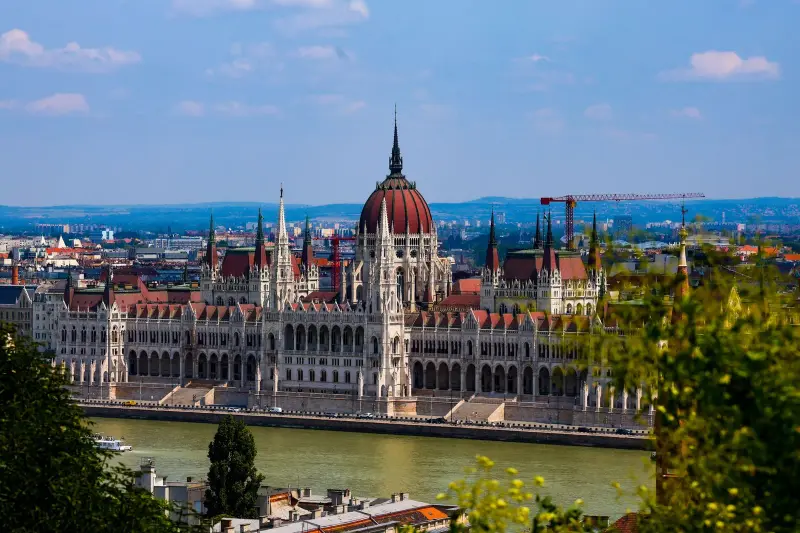
District VI (Terézváros)
Runs along grand Andrássy Avenue toward Heroes' Square and the Opera House, with the M1 metro line beneath it. A refined, walkable area that bridges the centre and the City Park.
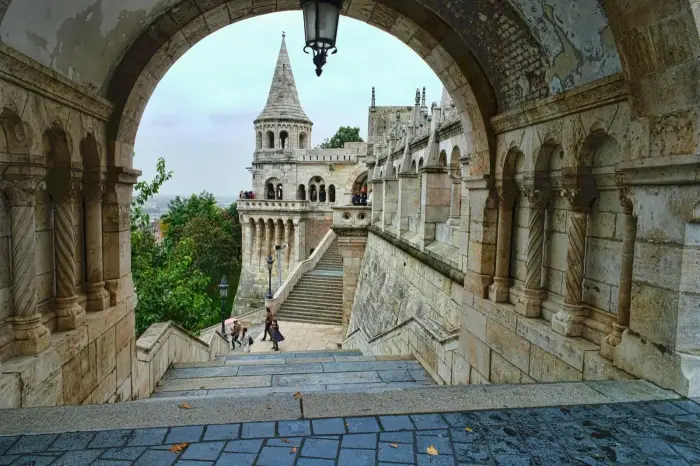
Castle District & Víziváros (Buda side)
Perched above the river with Buda Castle, Matthias Church and Fisherman's Bastion, this hilly area offers postcard views across to the Parliament. Calmer and more residential, with fewer late-night crowds.
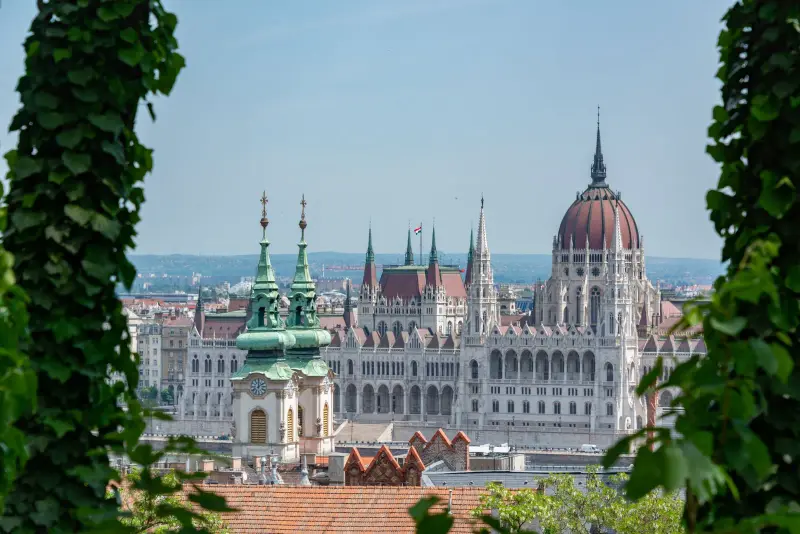
District IX (Ferencváros)
A revitalised district south of the centre with the Great Market Hall, riverside walks and good tram links. Slightly quieter and often better value while staying close to the action.
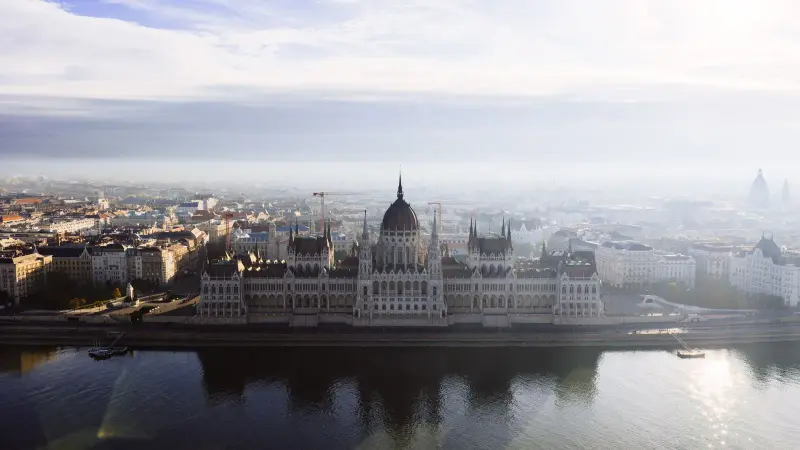
District VIII (Józsefváros)
A mixed, up-and-coming inner district near Keleti railway station and cultural venues. Handy for transport connections, with pockets that vary block to block.
The areas, measured
Of the 6 areas we cover in Budapest, Castle District & Víziváros (Buda side) is the most central (about 680 m from the centre) and District IX (Ferencváros) the farthest out (5.4 km). District V (Belváros-Lipótváros) is nearest Parliament at 860 m (about 11 min on foot); District IX (Ferencváros) is 5.7 km away. 5 of the 6 measured areas have a metro, train or tram stop within 500 m of their centre.
| Area | Best for | To Parliament | To centre | Nearest station |
|---|---|---|---|---|
| District V (Belváros-Lipótváros) | First-timers and sightseeing | 860 m · 11 min walk | 790 m | Deák Ferenc tér (metro), 290 m |
| District VII (Jewish Quarter / Erzsébetváros) | Nightlife and younger travellers | 2.3 km · 28 min walk | 2.7 km | Keleti pályaudvar (metro), 510 m |
| District VI (Terézváros) | Culture lovers and all-rounders | 1.5 km · 18 min walk | 2.1 km | Vörösmarty utca (metro), 210 m |
| Castle District & Víziváros (Buda side) | Couples and quiet stays | 980 m · 12 min walk | 680 m | Batthyány tér (metro), 430 m |
| District IX (Ferencváros) | Budget-conscious and longer stays | 5.7 km | 5.4 km | Ferencváros (train station), 380 m |
| District VIII (Józsefváros) | Value seekers near transport | 3.6 km | 3.7 km | Magdolna utca (tram stop), 160 m |
Straight-line distances from each area's centre, from OpenStreetMap (© OpenStreetMap contributors); walking routes are longer. "—" = not measured yet.
Hotels in Budapest
See live prices and availability for stays in Budapest on a major booking site.
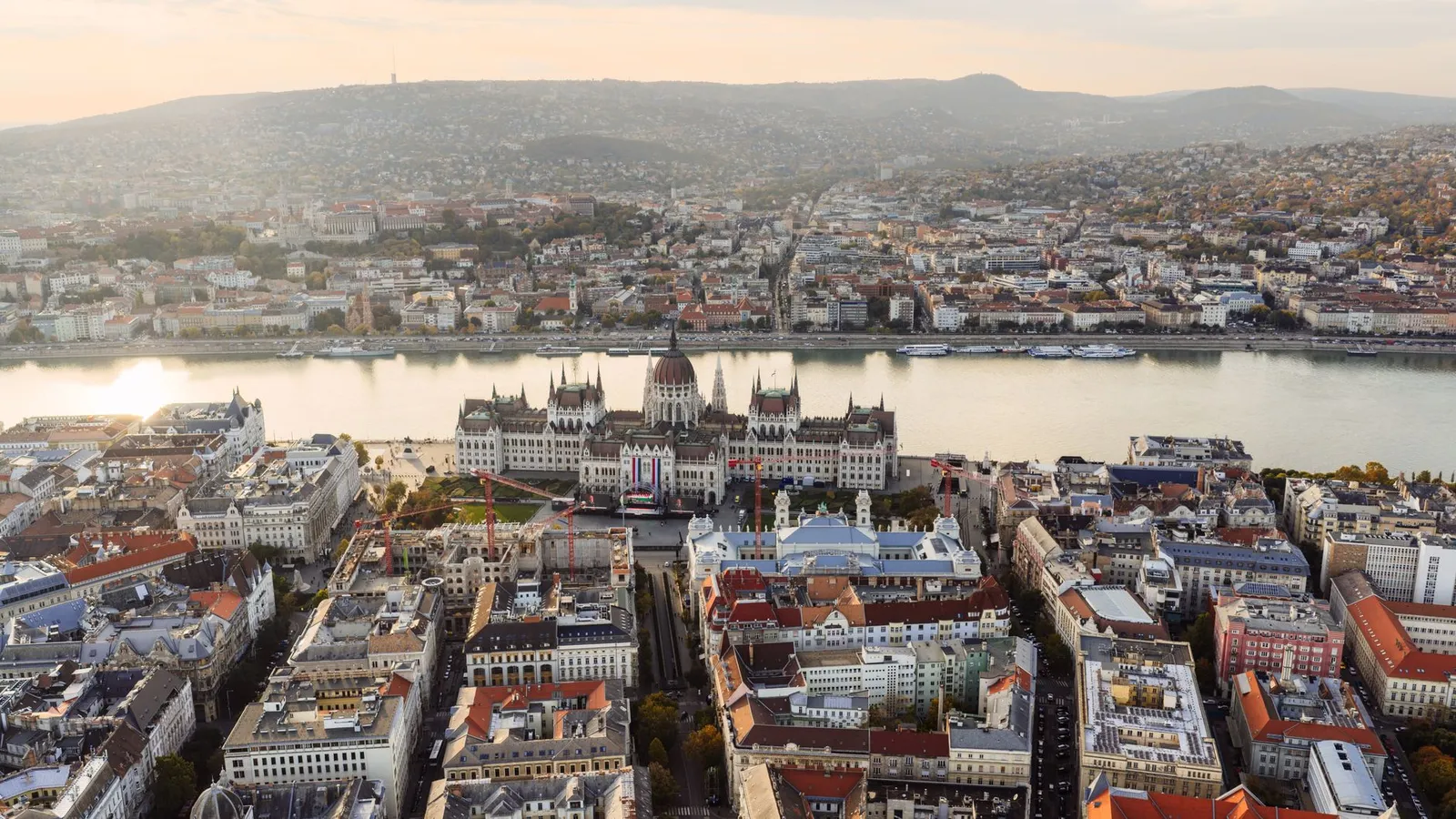
Practical basics
- Getting in
- Ferenc Liszt (BUD) airport lies southeast of the city; the 100E airport bus and other transfers reach the central Pest districts in roughly 30–45 minutes.
- Best time to visit
- Spring and early autumn offer mild weather and thinner crowds, while summer is warm and lively and winter brings festive markets and thermal baths.
- Getting around
- An extensive metro, tram and bus network plus a very walkable centre means most visitors won't need a car.
Budapest through the year
On our climate rule the best months to visit Budapest are May, June and September. August is the warmest month (average high 28.5 °C) and January the coldest (4.1 °C by day, -2.2 °C at night); May has the most rain days (12 a month) and June the sunniest. Ten-year ERA5 normals via Open-Meteo, 2016–2025.
Read the month-by-month guidePlaces to stay around Budapest
Loads an interactive hotel map from a booking partner, which may set cookies. Privacy · affiliate links
Frequently asked
Where should I stay in Budapest for my first visit?
District V (Belváros-Lipótváros) is the best base for first-timers and sightseeing. It's the heart of Pest, wrapping around the Parliament and stretching to the Danube promenade and pedestrian Váci utca, with almost everything central walkable and good metro links.
Which area is most central and closest to Parliament?
Of the six areas we cover, Castle District & Víziváros on the Buda side is the most central at about 680 m from the centre. District V (Belváros-Lipótváros) is nearest Parliament at about 860 m (about 11 min on foot), while District IX (Ferencváros) is the farthest out at 5.4 km from the centre and 5.7 km from Parliament.
Which Budapest areas have a metro, train or tram stop nearby?
Five of the six areas we cover have a metro, train or tram stop within 500 m of their centre. District V is about 290 m from Deák Ferenc tér metro, District VI about 210 m from Vörösmarty utca metro, District VIII about 160 m from the Magdolna utca tram stop, District IX about 380 m from Ferencváros train station, and Castle District & Víziváros about 430 m from Batthyány tér metro; District VII is about 510 m from Keleti pályaudvar metro.
Where should I stay in Budapest on a budget?
District IX (Ferencváros) is best for budget-conscious and longer stays, a revitalised district south of the centre with good tram links and often better value. District VIII (Józsefváros) also suits value seekers near transport, sitting close to Keleti railway station.
Where should I stay for a quiet trip or as a couple?
Castle District & Víziváros on the Buda side is best for couples and quiet stays. It's perched above the river with Buda Castle, Matthias Church and Fisherman's Bastion, and is calmer and more residential with fewer late-night crowds.
What is the weather like in Budapest, and when is the best time to visit?
The best months to visit are May, June and September. August is the warmest month with an average high of 28.5 °C, while January is the coldest at 4.1 °C by day and -2.2 °C at night; May has the most rain days at 12 a month, and in September highs average 22.9 °C with 8 rain days.
Hotels in Budapest, by what matters to you
Pair Budapest with
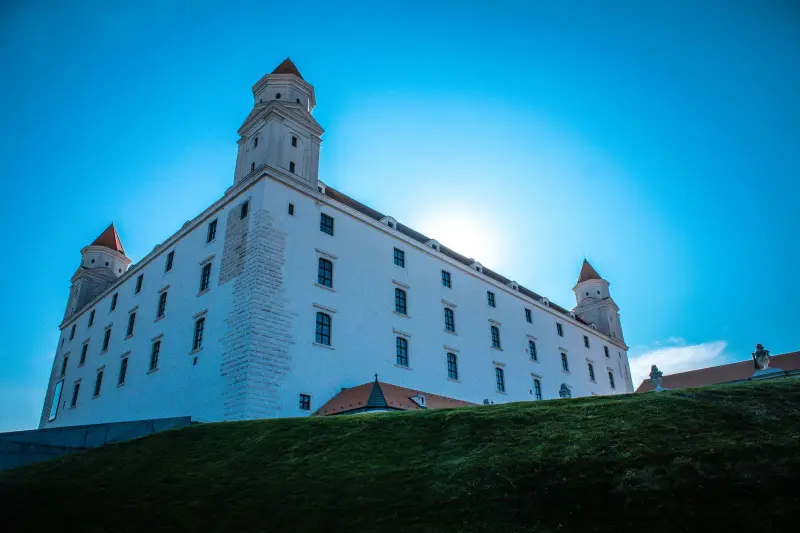
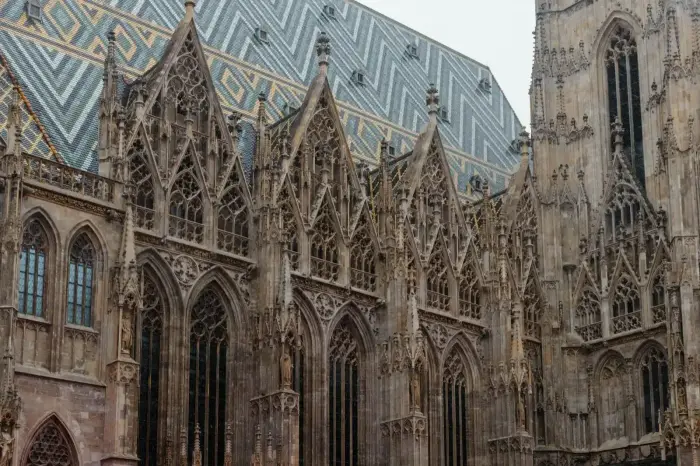
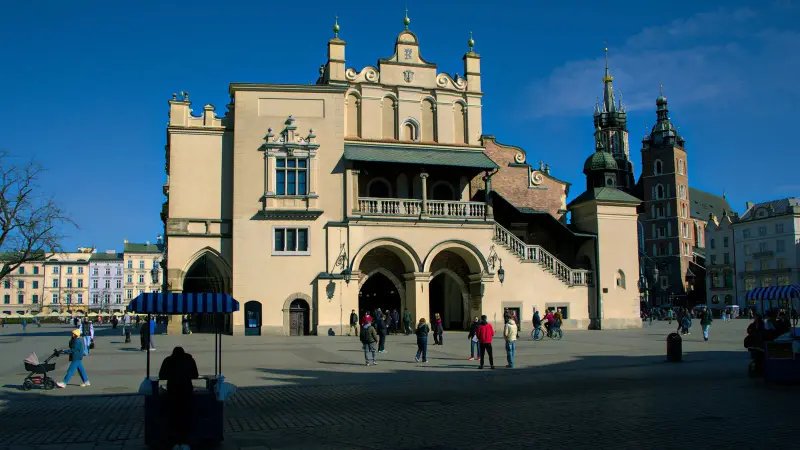
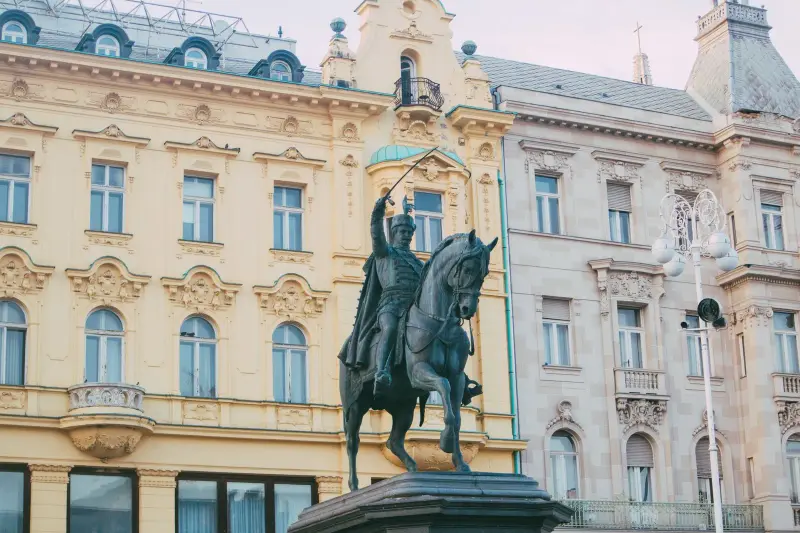
What Budapest costs, how busy it gets
- Restaurants and hotels
- Price level 72 in Hungary (EU = 100) — 28 % below the EU average. Eurostat price level index, 2024; a country-wide average.
- Everyday costs
- Consumer price level 68 in Hungary (EU = 100), 2024.
- Visitors per resident
- 6.9 tourist nights per resident a year in the surrounding region (HU11, 2025) — 11.7 million nights for 1.7 million residents. Eurostat.
Cheapest months to fly to Budapest
| From | Cheapest month | Lowest fare found | Months with data |
|---|---|---|---|
| London | Feb 2027 | €20 | 13 |
| Paris | Jan 2027 | €16 | 14 |
| Berlin | Jan 2027 | €20 | 12 |
| Amsterdam | Jan 2027 | €82 | 11 |
| Stockholm | Jan 2027 | €19 | 6 |
| New York | May 2027 | €297 | 4 |
Lowest fares found in recent flight searches (Aviasales), collected 15 November 2026. A guide to price level only — fares change daily and may not be available when you search.
Budapest is on our lists forUltra-luxurySmall & quiet
Sources
- OpenStreetMap — area locations, distances and nearest stations for 6 of 6 areas (© OpenStreetMap contributors, ODbL)
- Open-Meteo historical weather API — monthly climate normals (ERA5), 2016–2025 (CC BY 4.0)
- ReasonStay methodology — how areas are chosen, measured and checked
An independent guide to where to stay in Budapest. Booking links are affiliate links (how we're funded).