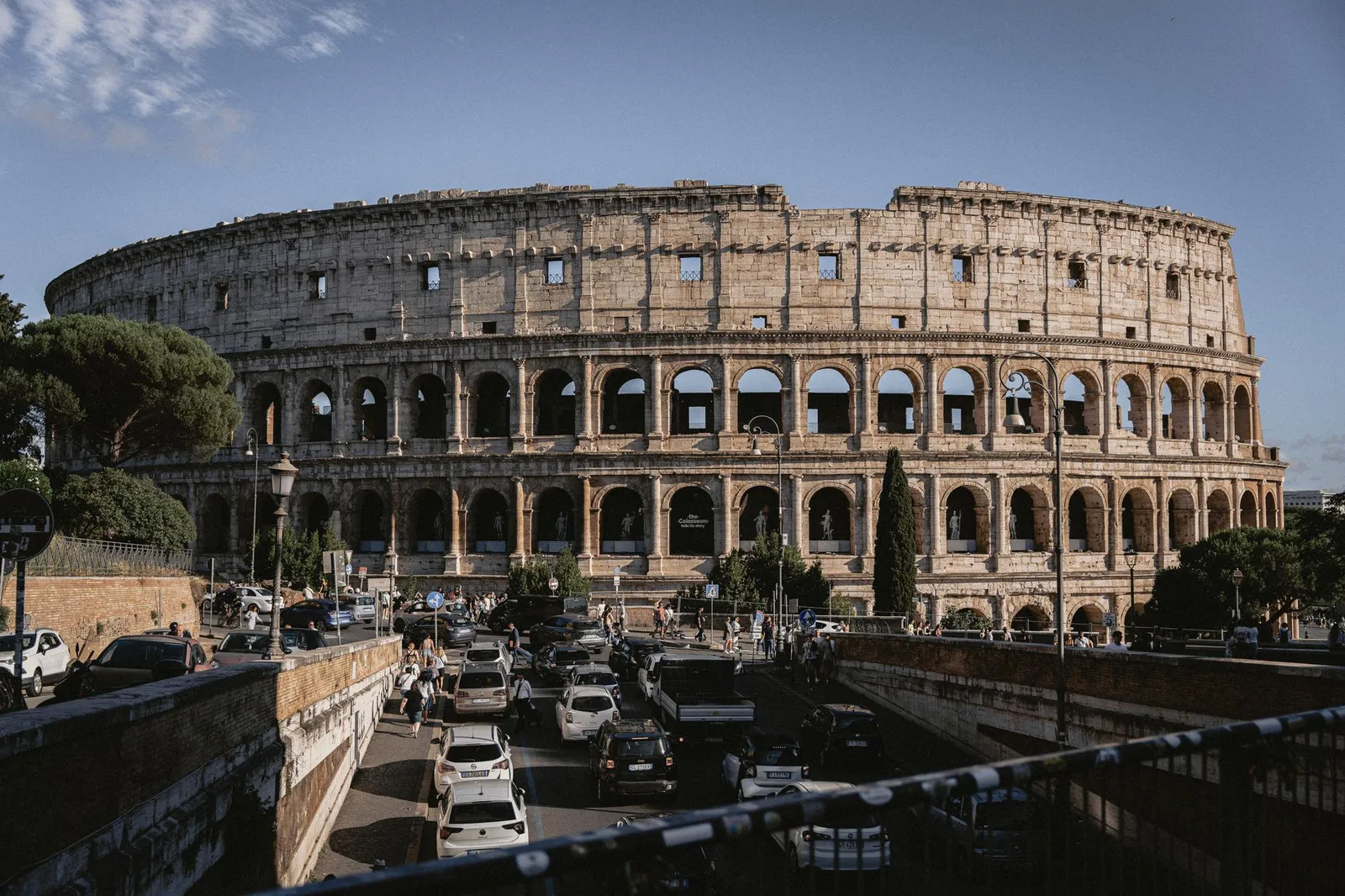
For a first visit, base yourself in the Centro Storico (historic centre) to walk to most major sights, or Monti for a characterful spot near the Colosseum. Trastevere suits those wanting atmosphere and nightlife, while Prati offers a calmer, well-connected base near the Vatican that works well for families and quieter stays.
The areas, by traveller
Centro Storico (Historic Centre)
This is the heart of old Rome, wrapping around the Pantheon, Piazza Navona and the Trevi Fountain. Most landmarks are within walking distance, though it's one of the busier and more sought-after zones.
Explore Centro Storico (Historic Centre) →Monti
A characterful district of narrow lanes, independent shops and wine bars just north of the Colosseum and Roman Forum. It feels neighbourly while staying very central.
Explore Monti →Trastevere
Set across the Tiber, this cobblestoned quarter is known for its trattorias, bars and buzzy after-dark scene. Charming by day and animated by night, so light sleepers should note the noise.
Explore Trastevere →Prati
An elegant, orderly area next to the Vatican with wide streets and good metro links. It's calmer than the centre while still an easy hop to the main sights.
Explore Prati →Termini / Esquilino
Around Rome's main rail hub, this area offers the widest transport connections including trains toward the airport. It's practical and varied, though busier and less picturesque than other zones.
Explore Termini / Esquilino →Aventino / Testaccio
South of the centre, the leafy Aventine hill and food-focused Testaccio offer a relaxed, authentic base. Better suited to repeat visitors or those happy to use transport to reach the sights.
Explore Aventino / Testaccio →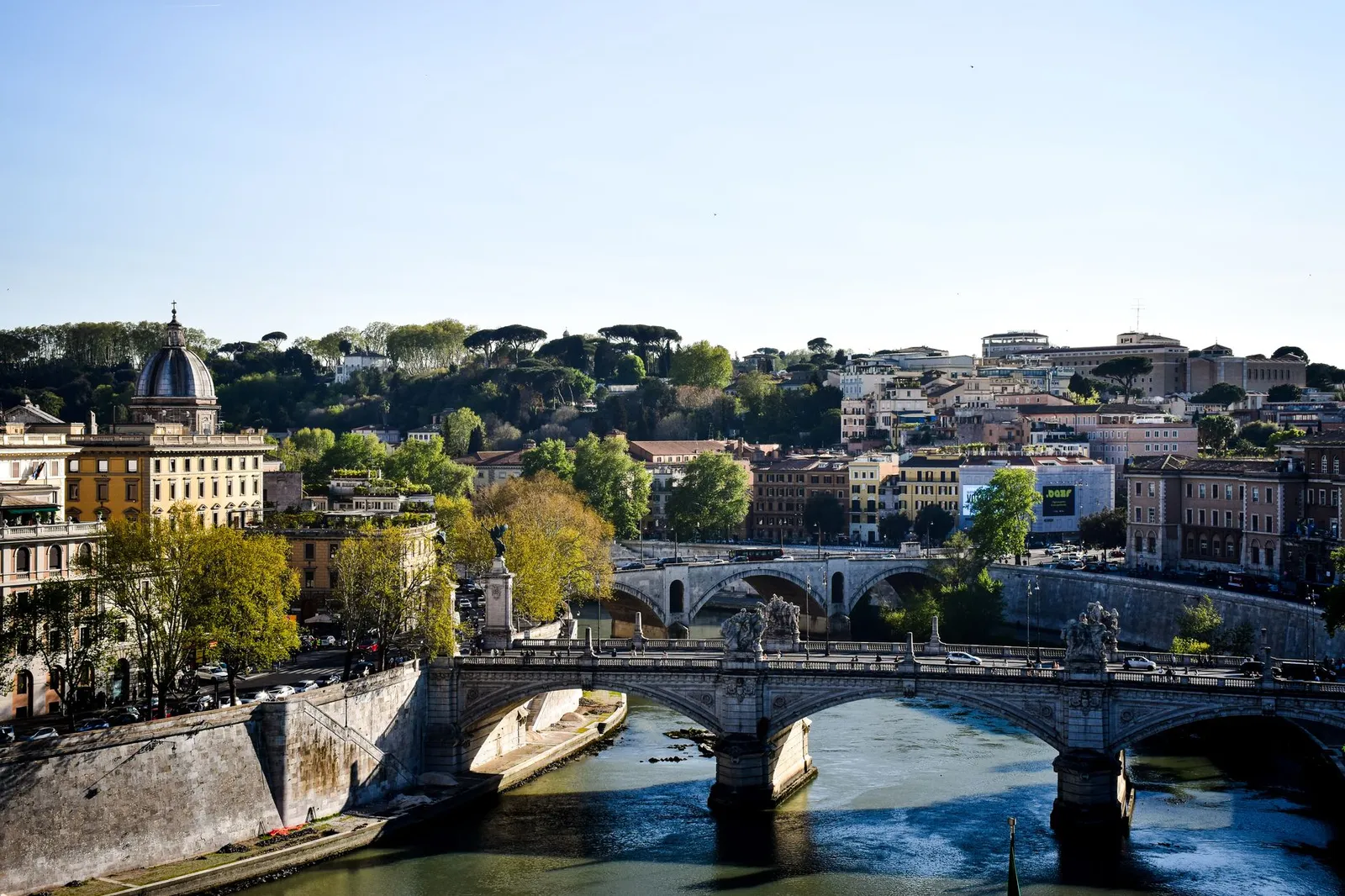
Practical basics
- Getting in
- From Fiumicino (FCO), a direct express train runs to Termini station, with taxis and shuttle buses also serving the centre.
- Best time to visit
- Spring and autumn bring mild weather and thinner crowds, while summer is hot and peak-busy.
- Getting around
- The compact centre is best explored on foot, backed up by a limited metro, buses and trams for longer hops.
- Currency
- Italy uses the euro (EUR), with cards widely accepted though small cash is handy for markets and cafés.
Frequently asked
Which area is best for first-time visitors?
The Centro Storico or Monti are ideal — both put you within walking distance of major sights like the Pantheon, Trevi Fountain and the Colosseum.
Is it worth staying near the Colosseum?
Yes if you want that landmark on your doorstep; Monti sits just beside it and blends easy sightseeing with a lived-in neighbourhood feel.
Where should I stay on a budget?
The area around Termini station offers the most choice and the best transport links, making it practical if you're watching costs, though it's less scenic than central quarters.
Cities near Rome
Hand-picked hotel guides for Rome — real hotels, exact prices and distances — are on the way. This page will grow into the full recommendation set.
An independent guide to where to stay in Rome — hotel recommendations are on the way.