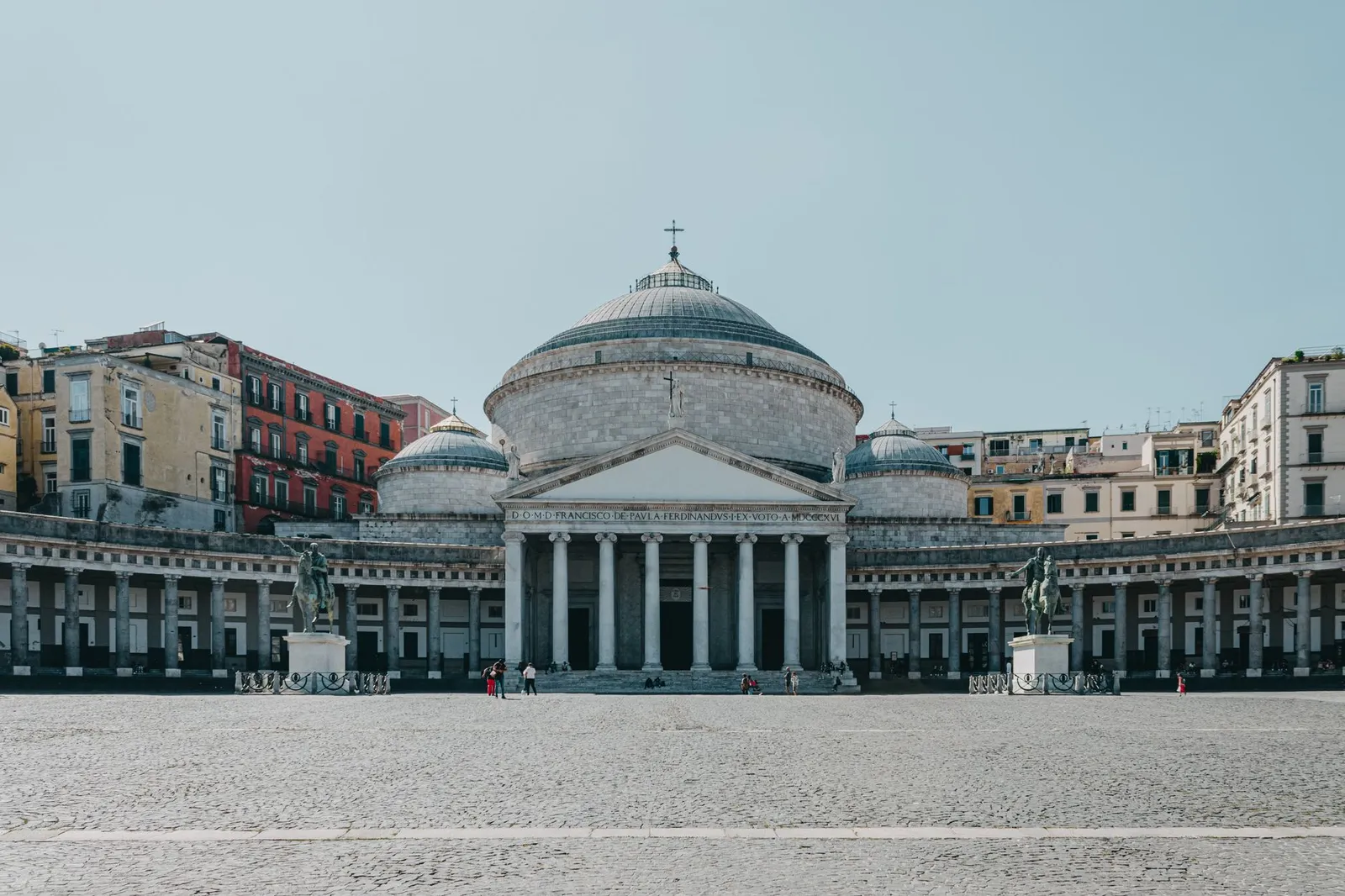
For a first visit to Naples, the Centro Storico (historic centre) is best for sightseeing and atmosphere, while Chiaia suits travellers wanting an elegant, safer-feeling base near the seafront. Nightlife-seekers and students gravitate to the buzzy streets around the Spanish Quarter and the university area, and families or those after sea views often prefer Santa Lucia and the Lungomare. Budget travellers tend to cluster near Napoli Centrale station in the Vasto/Piazza Garibaldi district.
The areas, by traveller
Centro Storico (Historic Centre)
The dense, atmospheric heart of Naples, laid out along the ancient Spaccanapoli and Via dei Tribunali, packed with churches, pizzerias and street life. Everything is walkable but it's noisy and chaotic — part of the appeal.
Explore Centro Storico (Historic Centre) →Chiaia
An elegant, leafy district of boutiques, wine bars and cafés stretching toward the seafront and the Villa Comunale park. It feels calmer and more polished than the old town, with easy access to the Lungomare promenade.
Explore Chiaia →Spanish Quarter (Quartieri Spagnoli)
A grid of steep, narrow lanes just above the shopping street Via Toledo, famous for streetfood, murals and round-the-clock bustle. Central and lively, though light sleepers should expect noise.
Explore Spanish Quarter (Quartieri Spagnoli) →Santa Lucia & Lungomare
A waterfront area beneath the Castel dell'Ovo, with the seafront promenade, gelato stands and views across the bay to Vesuvius. Quieter and more spacious, a short walk or ride from the centre.
Explore Santa Lucia →Vomero
A residential hilltop neighbourhood reached by funicular, home to the Certosa di San Martino and Castel Sant'Elmo with panoramic city views. Leafy and orderly, though further from the historic core.
Explore Vomero →Vasto / Piazza Garibaldi
The area around Napoli Centrale station, well connected for trains to Pompeii, Sorrento and the airport shuttle. Practical and cheaper rather than scenic, and a bit rough around the edges at night.
Explore Vasto / Piazza Garibaldi →
Practical basics
- Getting in
- Capodichino (NAP) sits just northeast of the city; a shuttle bus and taxis connect it to Napoli Centrale and the centre in roughly 15–30 minutes depending on traffic.
- Best time to visit
- Spring (April–June) and early autumn (September–October) offer warm weather and lighter crowds than the hot, busy midsummer.
- Getting around
- The centre is best explored on foot, backed up by the metro, funiculars up to Vomero and frequent (if crowded) buses.
- Currency
- Naples uses the euro (EUR); cards are widely accepted but carry some cash for small pizzerias and markets.
Frequently asked
Which area is best for first-time visitors?
The Centro Storico puts you in the middle of the main sights and street life, while nearby Chiaia offers a calmer, more upscale alternative within easy reach of it all.
Is Naples safe to stay in?
Central tourist areas are generally fine with normal city awareness; keep valuables secure around Piazza Garibaldi and crowded lanes, especially at night.
Where should I stay for day trips to Pompeii and the coast?
Anywhere near Napoli Centrale or the historic centre works well, as the Circumvesuviana and regional trains to Pompeii and Sorrento depart from the main station.
Cities near Naples
Hand-picked hotel guides for Naples — real hotels, exact prices and distances — are on the way. This page will grow into the full recommendation set.
An independent guide to where to stay in Naples — hotel recommendations are on the way.