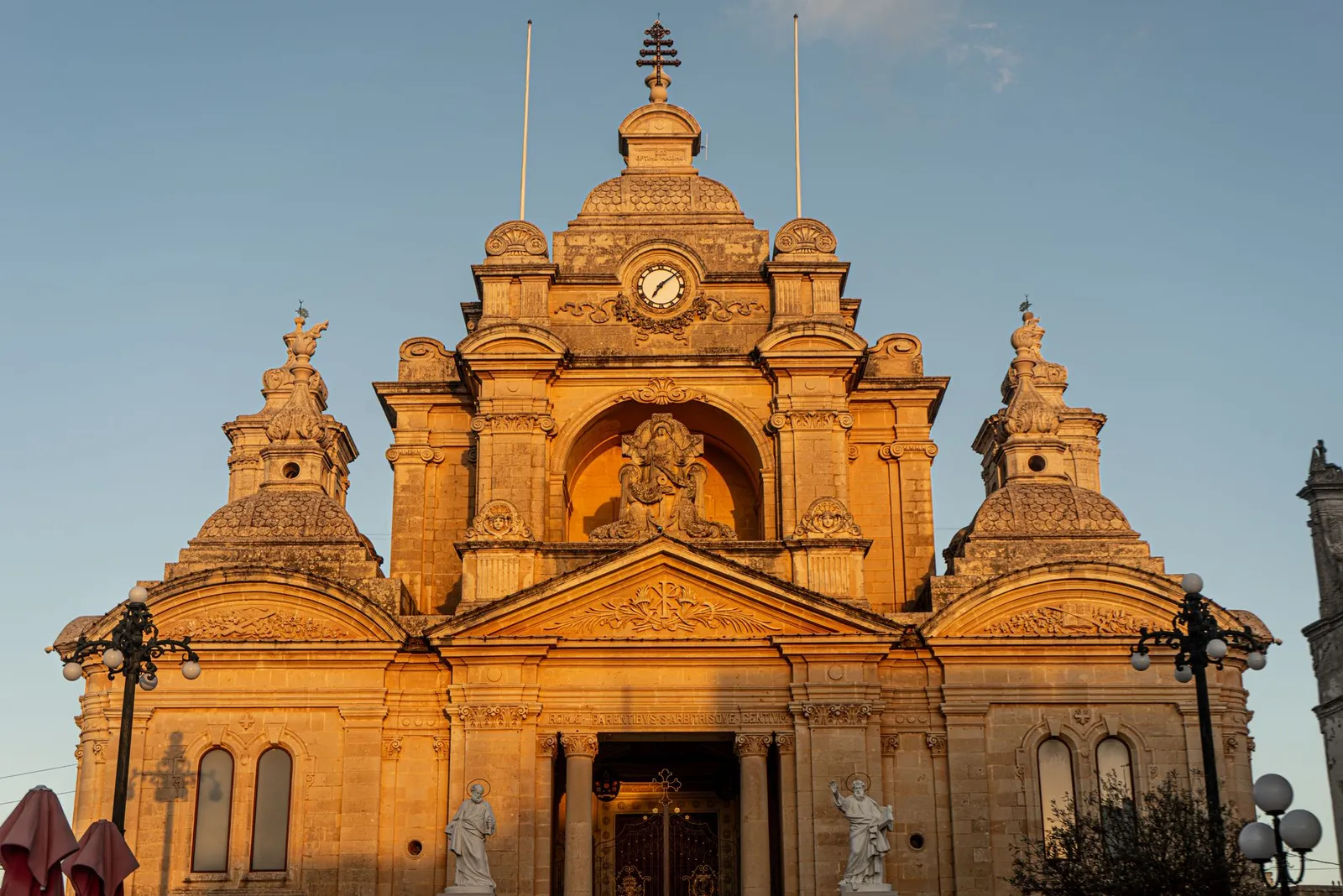
For a first visit, base yourself around the central grid near St John's Co-Cathedral and Republic Street for easy access to sights, cafés and shops. The lower, quieter end toward Fort St Elmo suits travellers who want calm and sea views, while just outside the walls Floriana works for a slightly quieter, well-connected stay. Sliema and the Three Cities across the harbour suit those who prefer nightlife and waterfront strolling or a more local, residential feel.
Six areas, six different trips
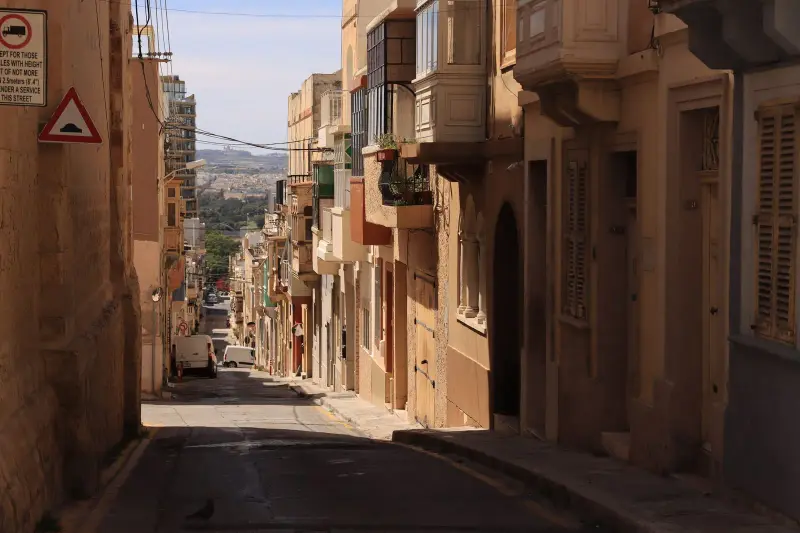
Valletta City Centre (around Republic Street)
The pedestrian-friendly grid centred on Republic and Merchants Streets puts you steps from St John's Co-Cathedral, museums, restaurants and the main squares. It's the most convenient base for walking to nearly everything inside the walls.
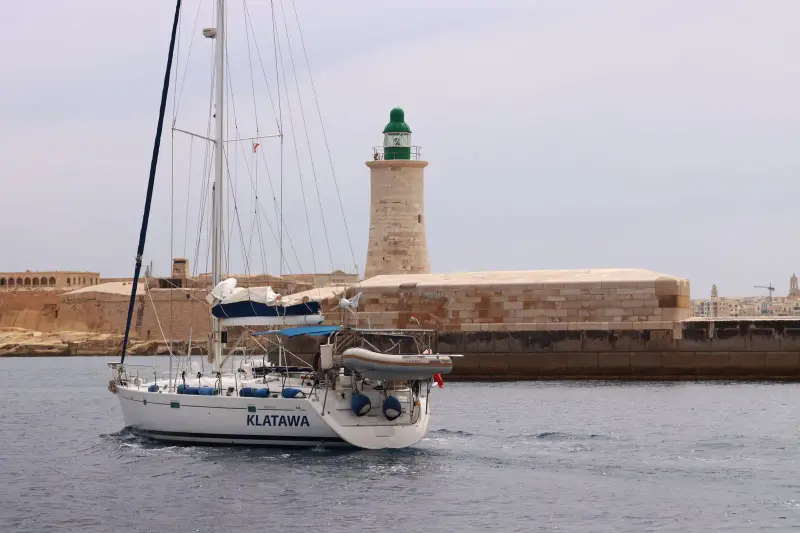
Lower Valletta (toward Fort St Elmo)
The streets sloping down toward the tip of the peninsula and Fort St Elmo feel calmer and more residential in the evenings. You're still within an easy walk of the centre but trade some buzz for harbour views and tranquillity.
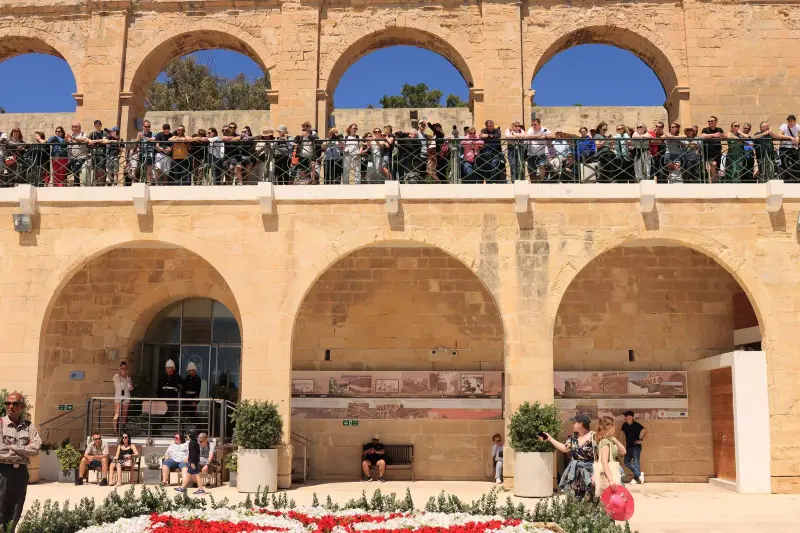
Grand Harbour side (Barrakka Gardens area)
The eastern edge near the Upper and Lower Barrakka Gardens offers sweeping Grand Harbour panoramas and quick access to the Three Cities ferry. It's atmospheric and central without being on the busiest shopping streets.
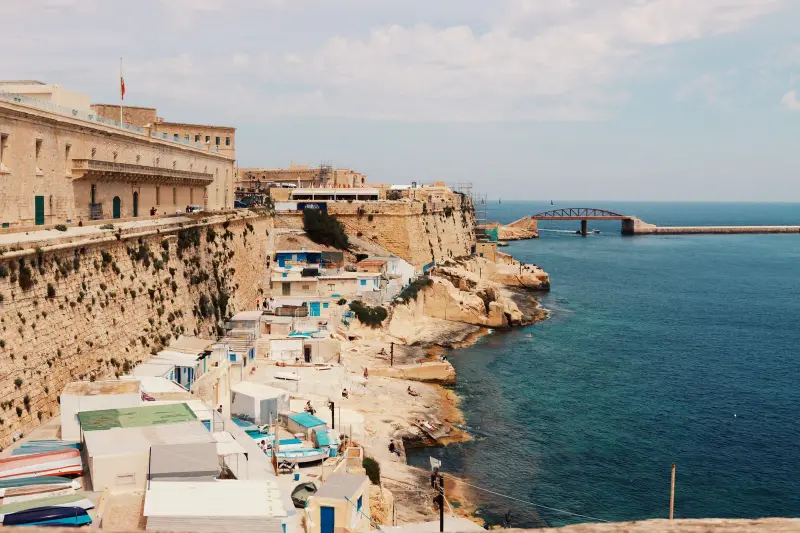
Floriana
Just outside Valletta's main gate, Floriana is the gateway suburb with the bus terminus and open green spaces. It's a short walk into the old city and useful for those who want to be close but a step removed from the tourist core.
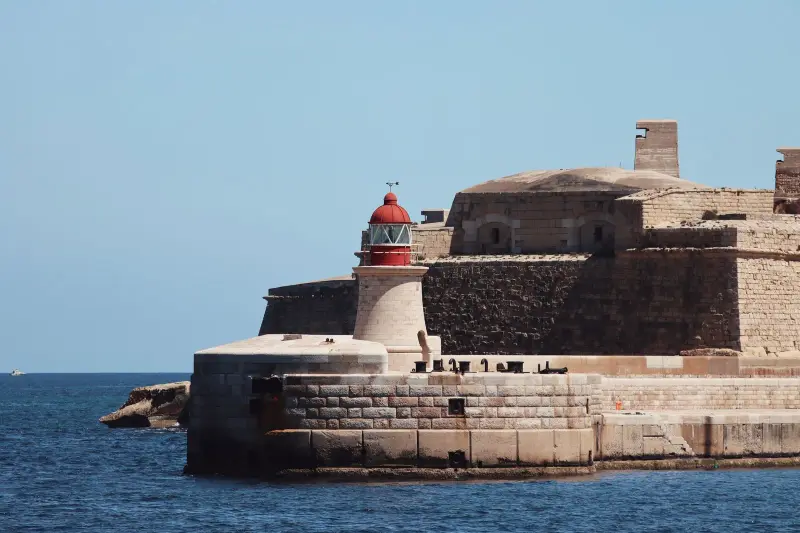
Sliema (across the harbour)
Across Marsamxett Harbour, Sliema is a lively promenade district with bars, shops and a regular ferry to Valletta. It suits visitors who want more evening options and a modern seaside base within quick reach of the capital.
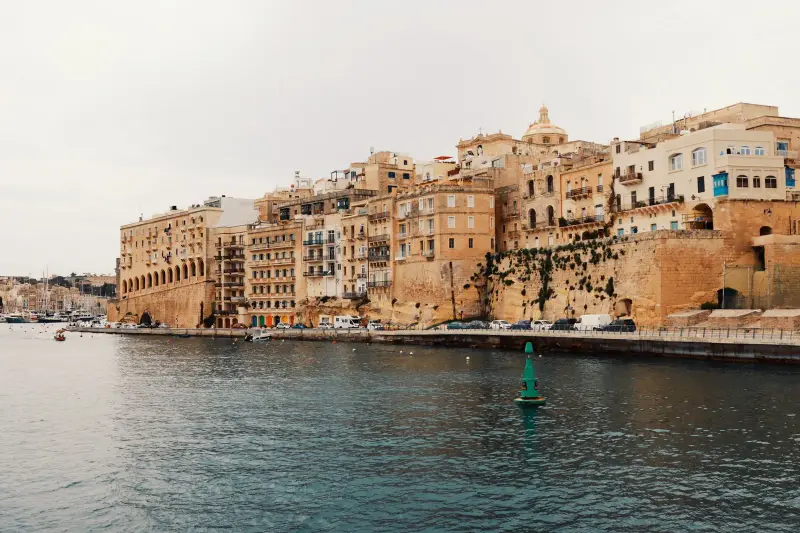
The Three Cities (Vittoriosa/Birgu area)
Across the Grand Harbour, the Three Cities offer marinas, historic streets and a quieter, lived-in atmosphere. A short ferry connects you to Valletta, making it a characterful alternative base.
Hotels in Valletta
See live prices and availability for stays in Valletta on a major booking site.
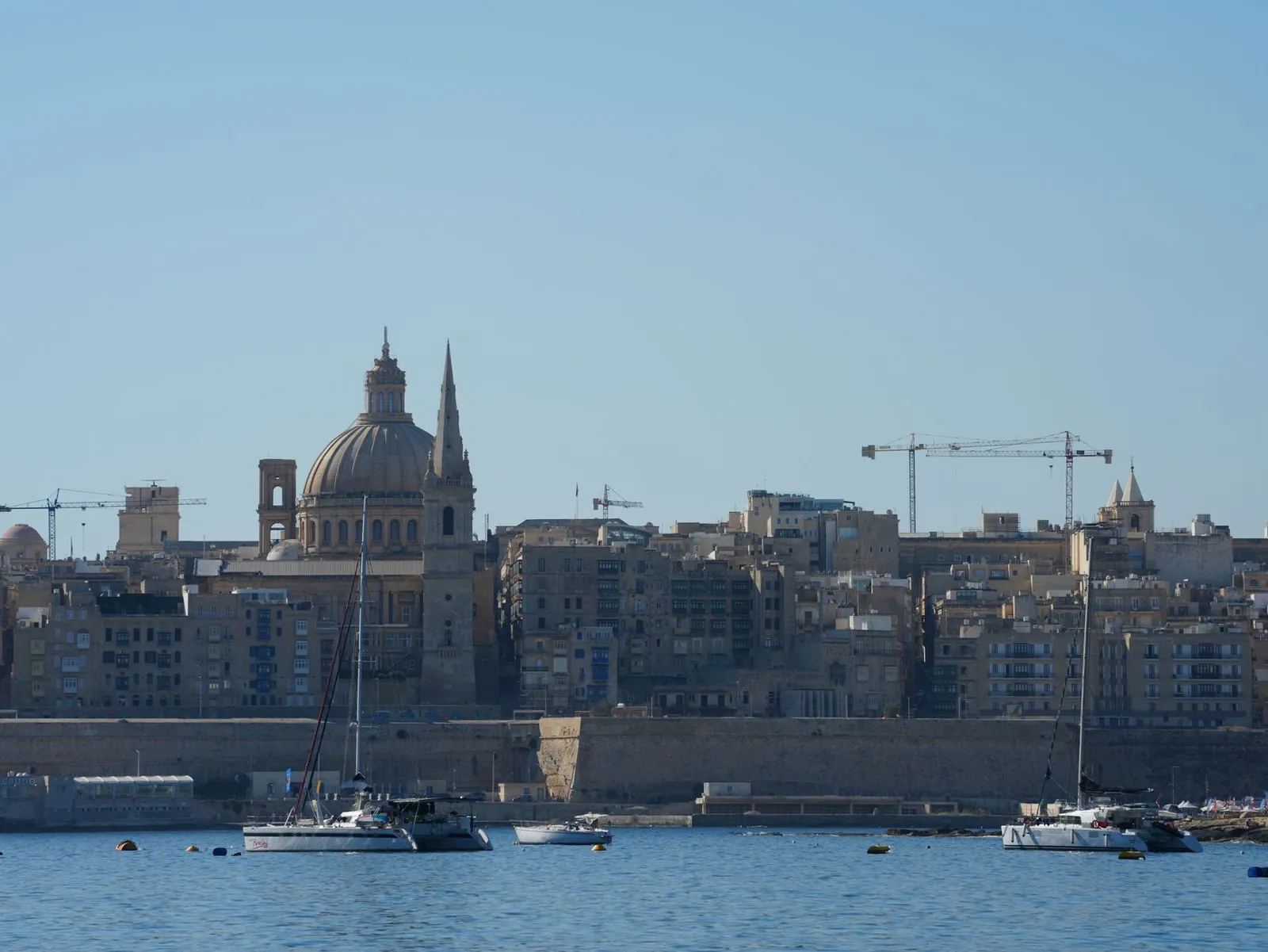
Practical basics
- Getting in
- Malta (MLA) airport sits a short drive south of the capital; buses and taxis connect it to Valletta, with the main bus terminus just outside the city gate in Floriana.
- Best time to visit
- Spring and autumn offer warm, comfortable weather and thinner crowds, while summer is hot and busiest.
- Getting around
- Valletta's compact centre is best explored on foot, with ferries linking it to Sliema and the Three Cities and buses radiating out from the Floriana terminus.
Valletta through the year
On our climate rule the best months to visit Valletta are April, May, June, September and October. July is the warmest month (average high 30.5 °C) and January the coldest (15.5 °C by day, 11.6 °C at night); November has the most rain days (11 a month) and July the sunniest. Ten-year ERA5 normals via Open-Meteo, 2016–2025.
Read the month-by-month guidePlaces to stay around Valletta
Loads an interactive hotel map from a booking partner, which may set cookies. Privacy · affiliate links
Frequently asked
Is it better to stay inside Valletta or in Sliema?
Stay inside Valletta for immersion in the historic core and easy walking to sights; choose Sliema if you prefer more nightlife, shopping and a seafront setting, with a quick ferry back to the capital.
Is Valletta walkable?
Yes — the city is small and laid out on a grid, so most sights, restaurants and the main squares are within a short, if sometimes steep, walk.
Where should first-time visitors base themselves?
The central area around Republic Street and St John's Co-Cathedral is the most convenient first-visit base, keeping you close to the majority of attractions and dining.
Pair Valletta with
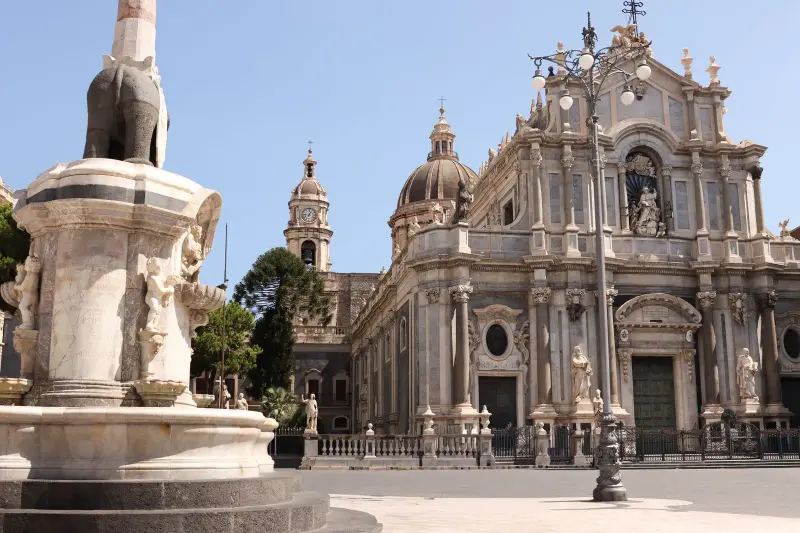
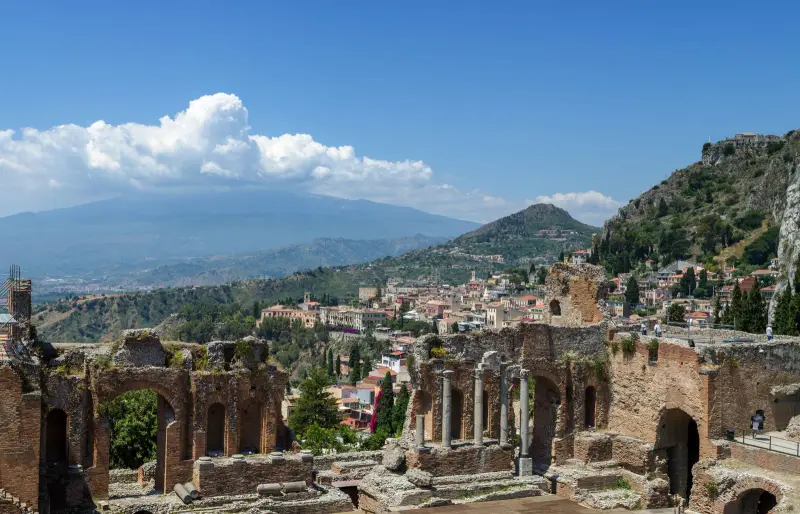
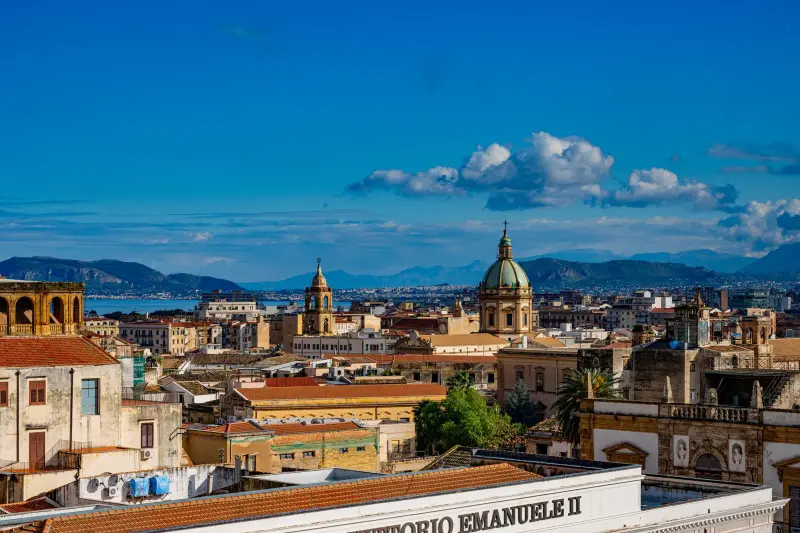
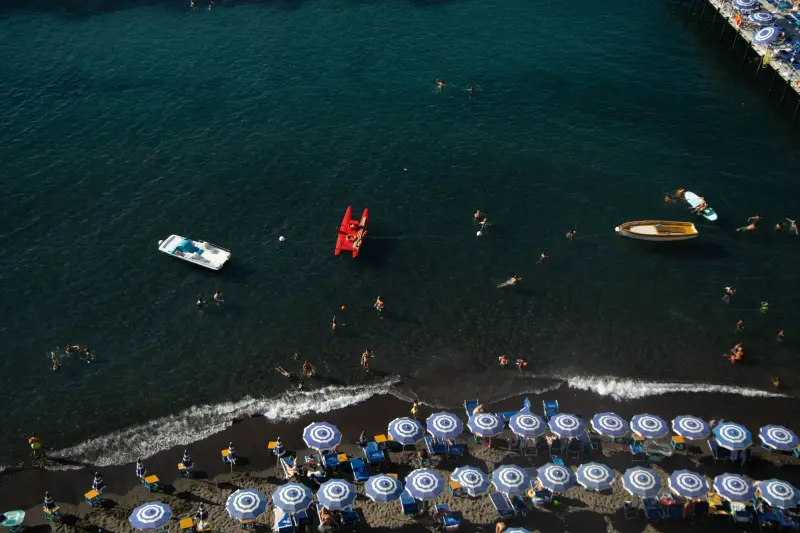
August weather like Valletta, fewer visitors
August is Valletta's busiest month: visitor nights in the region run at 1.4× an average month, with average highs of 31 °C. These cities are as warm in August but less busy then.
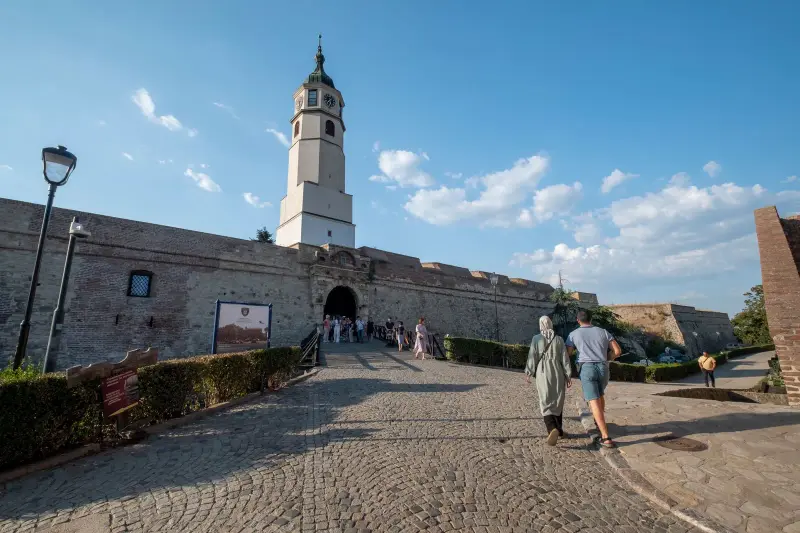 BelgradeSerbia, 1108 km away. August: 29 °C, 1.1× an average month (vs 1.4×).
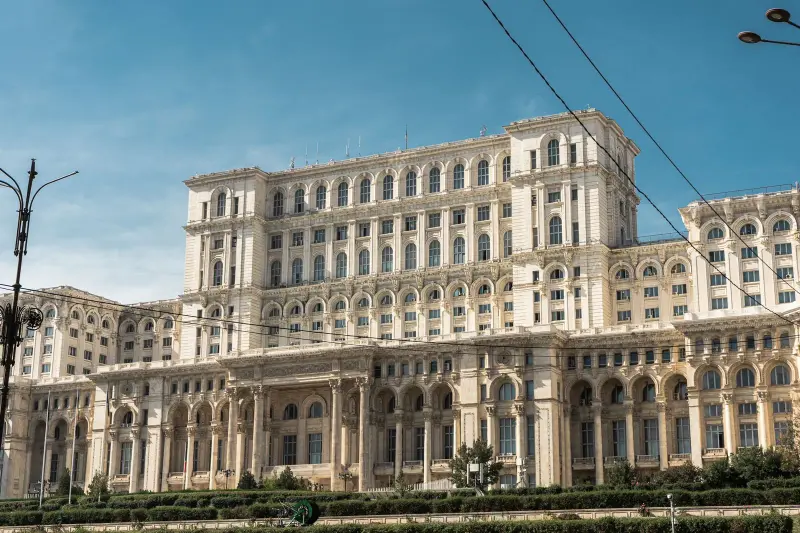 BucharestRomania, 1364 km away. August: 31 °C, 1.0× an average month (vs 1.4×).
Crowd levels: Eurostat nights spent at tourist accommodation by region and month, relative to each region's own average month — a measure of season, not of absolute crowding.
What Valletta costs, how busy it gets
- Restaurants and hotels
- Price level 89 in Malta (EU = 100) — 11 % below the EU average. Eurostat price level index, 2024; a country-wide average.
- Everyday costs
- Consumer price level 93 in Malta (EU = 100), 2024.
- Visitors per resident
- 21.7 tourist nights per resident a year in the surrounding region (MT00, 2025) — 12.5 million nights for 0.6 million residents. Eurostat.
Cheapest months to fly to Valletta
| From | Cheapest month | Lowest fare found | Months with data |
|---|---|---|---|
| London | Nov 2026 | €31 | 8 |
| Paris | Feb 2027 | €34 | 10 |
| Berlin | Dec 2026 | €38 | 5 |
| Amsterdam | Jan 2027 | €70 | 4 |
| Stockholm | Nov 2026 | €27 | 3 |
| New York | Dec 2026 | €318 | 1 |
Lowest fares found in recent flight searches (Aviasales), collected 14 November 2026. A guide to price level only — fares change daily and may not be available when you search.
Valletta is on our lists forWinter sunUltra-luxury
Sources
- Open-Meteo historical weather API — monthly climate normals (ERA5), 2016–2025 (CC BY 4.0)
- ReasonStay methodology — how areas are chosen, measured and checked
An independent guide to where to stay in Valletta. Booking links are affiliate links (how we're funded).