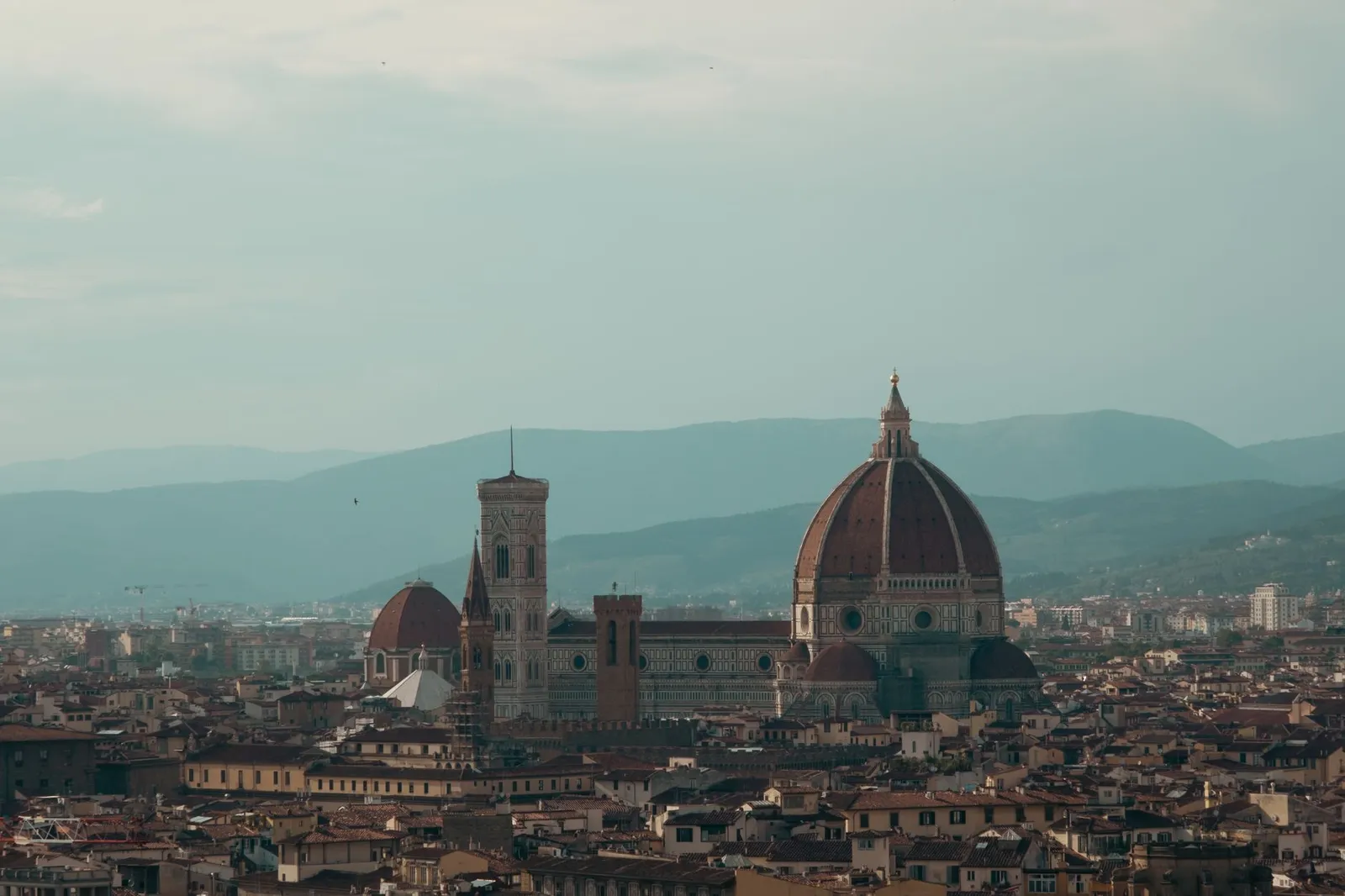
For a first visit to Florence, the Historic Centre (Centro Storico) around the Duomo is the most convenient base, putting the major sights within walking distance. San Marco and Santa Croce suit those who want culture and lively evenings close by, while the Oltrarno across the river appeals to travellers wanting an artisan, local atmosphere. Families and budget-minded visitors often do well around Santa Maria Novella near the main train station, with easy transport links.
Six areas, six different trips
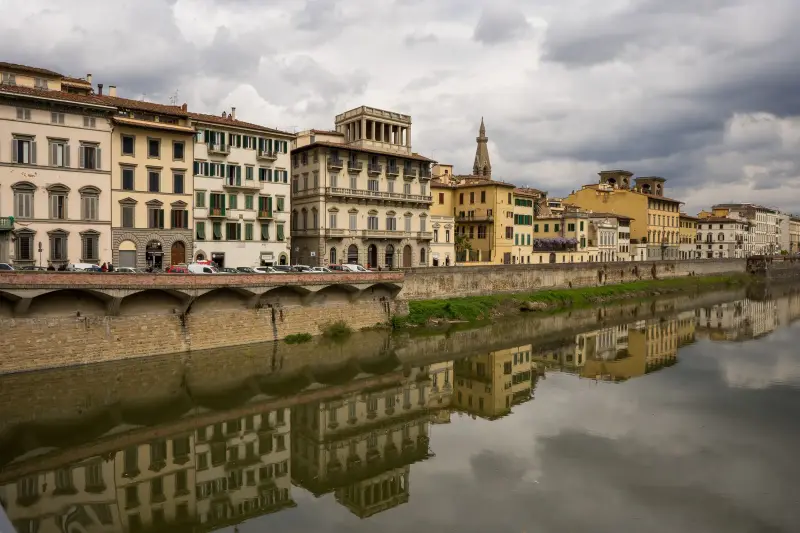
Historic Centre (Centro Storico)
This is the walkable heart of the city, wrapped around the Duomo and a short stroll from the Uffizi and Ponte Vecchio. Expect crowds and a premium on convenience, but nearly everything is on foot.
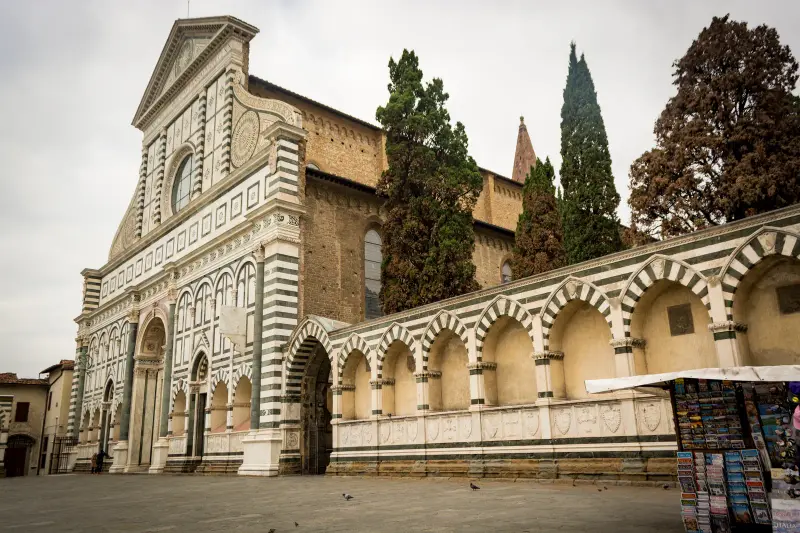
Santa Maria Novella
Centred on the main train station, this area offers the best transport connections and a wider range of accommodation. It's still within walking distance of the Duomo, though parts near the station feel busier and less charming.
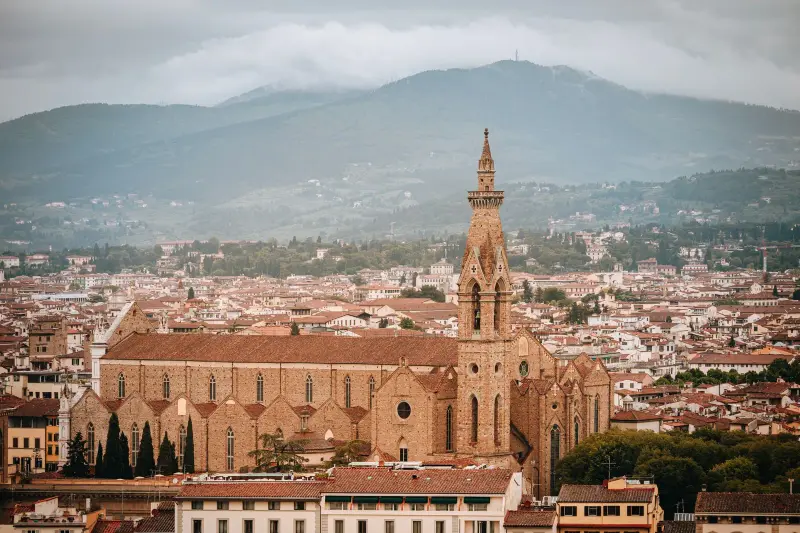
Santa Croce
Home to the grand Basilica di Santa Croce, this district has a lively evening scene with bars, trattorias and markets. It stays central while feeling a touch more local than the streets right by the Duomo.
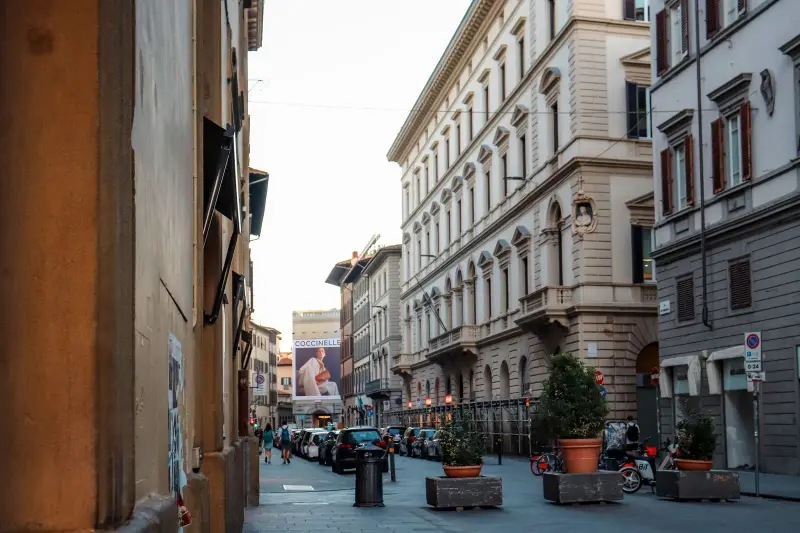
San Marco
Near the Accademia (home of Michelangelo's David) and several museums, this area is calmer and more residential. It's an easy walk to the Duomo and popular with those who want culture without constant crowds.
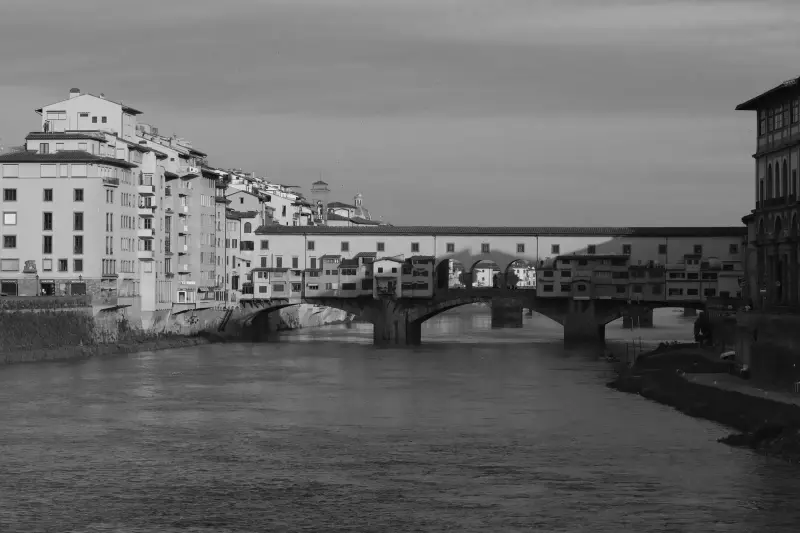
Oltrarno
On the south bank of the Arno, this bohemian quarter is known for workshops, the Pitti Palace and the Boboli Gardens. It feels more authentic and relaxed while still being a manageable walk from the centre.
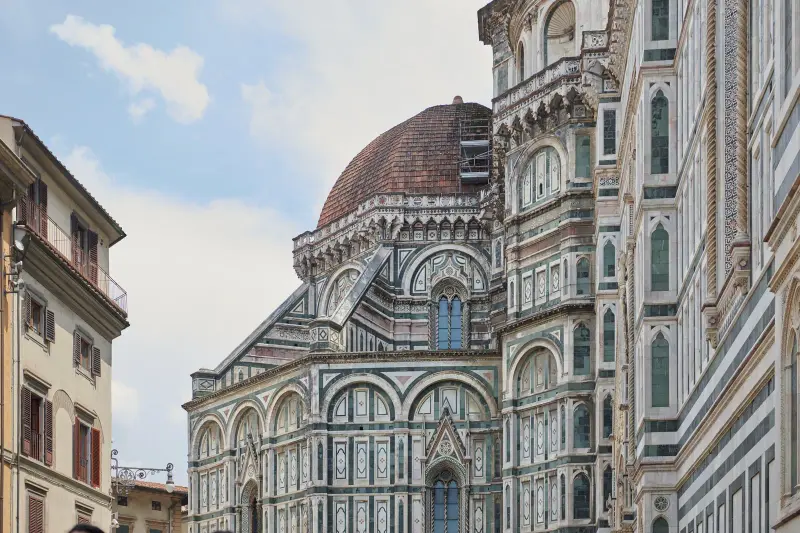
San Niccolò
A small, tucked-away neighbourhood near Piazzale Michelangelo with some of the best city views. It's quieter and more residential, best for those happy to walk a bit more to reach the main sights.
The areas, measured
Of the 6 areas we cover in Florence, Santa Croce is the most central (about 120 m from the centre) and San Marco the farthest out (960 m). Historic Centre (Centro Storico) is nearest Duomo at 450 m (about 6 min on foot); San Niccolò is 1.1 km away. 2 of the 6 measured areas have a metro, train or tram stop within 500 m of their centre.
| Area | Best for | To Duomo | To centre | Nearest station |
|---|---|---|---|---|
| Historic Centre (Centro Storico) | First-timers and sightseers | 450 m · 6 min walk | 420 m | Unità (tram stop), 750 m |
| Santa Maria Novella | Budget travellers and easy arrivals | 520 m · 7 min walk | 880 m | Unità (tram stop), 190 m |
| Santa Croce | Nightlife and dining | 560 m · 7 min walk | 120 m | Firenze Santa Maria Novella (train station), 1.4 km |
| San Marco | Museum lovers and quieter culture | 660 m · 8 min walk | 960 m | San Marco Università (tram stop), 130 m |
| Oltrarno | Local atmosphere and artisans | 920 m · 12 min walk | 880 m | Firenze Santa Maria Novella (train station), 1.3 km |
| San Niccolò | Views and a village feel | 1.1 km · 13 min walk | 650 m | none within 1.5 km |
Straight-line distances from each area's centre, from OpenStreetMap (© OpenStreetMap contributors); walking routes are longer. "—" = not measured yet.
Hotels in Florence
See live prices and availability for stays in Florence on a major booking site.
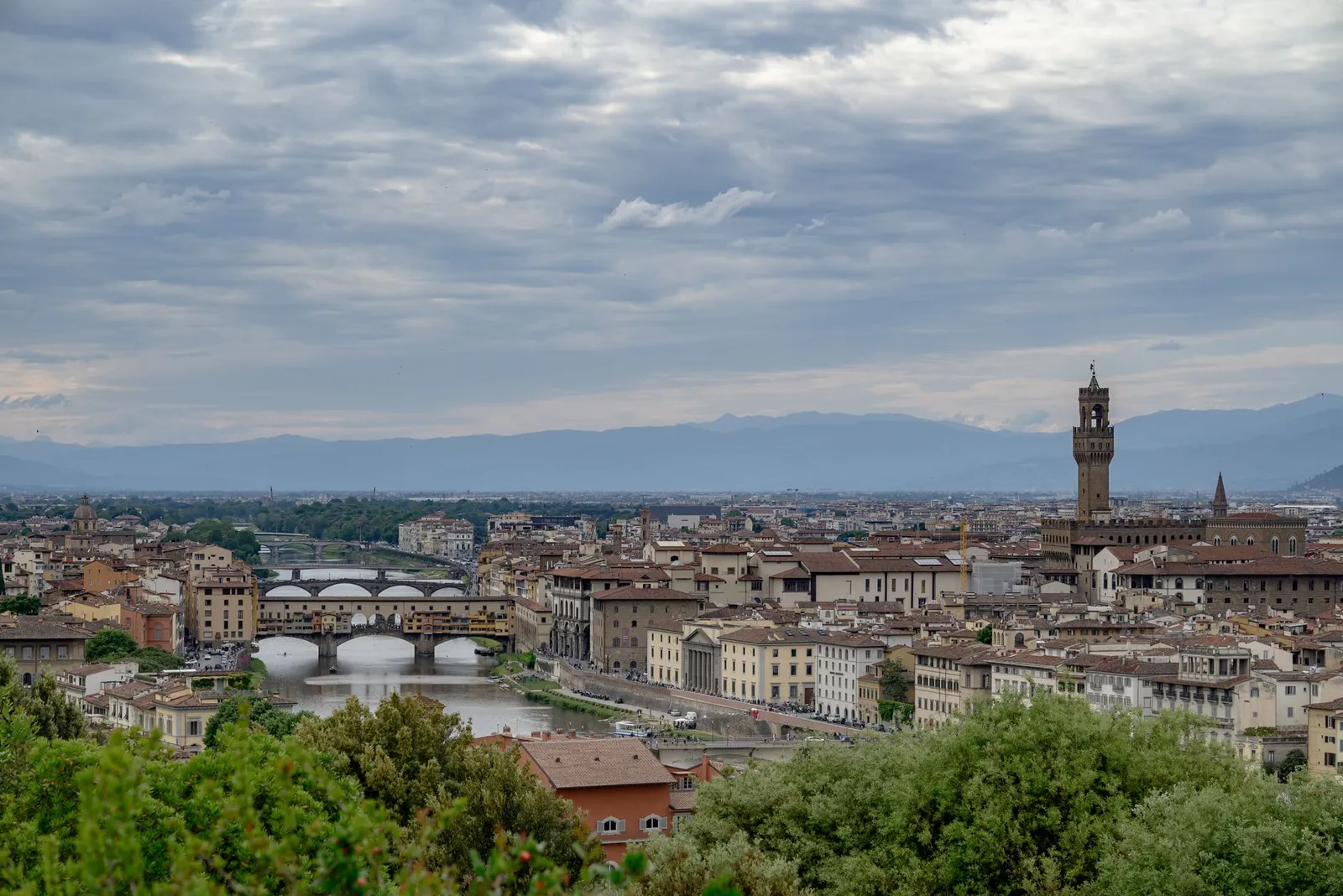
Practical basics
- Getting in
- Peretola (FLR) sits just northwest of the city, with a tram line and shuttle connections running toward the centre in about 20–30 minutes.
- Best time to visit
- Spring and early autumn offer milder weather and lighter crowds than the peak of summer, when the city is hot and busy.
- Getting around
- The centre is compact and best explored on foot, as most major sights are within walking distance of the Duomo.
Florence through the year
On our climate rule the best months to visit Florence are April, May, June, September and October. August is the warmest month (average high 32.2 °C) and January the coldest (10.7 °C by day, 2.6 °C at night); May has the most rain days (14 a month) and July the sunniest. Ten-year ERA5 normals via Open-Meteo, 2016–2025.
Read the month-by-month guidePlaces to stay around Florence
Loads an interactive hotel map from a booking partner, which may set cookies. Privacy · affiliate links
Frequently asked
Which area is best for first-time visitors to Florence?
The Historic Centre (Centro Storico) is the best base for first-timers and sightseers. It's the walkable heart of the city wrapped around the Duomo and a short stroll from the Uffizi and Ponte Vecchio, so nearly everything is on foot, though you should expect crowds and a premium on convenience.
Which area is closest to the Duomo and most central?
The Historic Centre (Centro Storico) is nearest the Duomo at about 450 m (about 6 min on foot). Santa Croce is the most central of the six areas, about 120 m from the centre, while San Niccolò is farthest from the Duomo at about 1.1 km (about 13 min on foot).
Which Florence areas have a tram or train stop nearby?
Two of the six areas have a tram or train stop within 500 m of their centre: Santa Maria Novella, where the Unità tram stop is about 190 m away, and San Marco, where the San Marco Università tram stop is about 130 m away. Santa Croce and Oltrarno are closest to Firenze Santa Maria Novella train station, about 1.4 km and 1.3 km away respectively, while San Niccolò has no metro, train or tram stop within 1.5 km.
Where should I stay in Florence for nightlife and dining?
Santa Croce is best for nightlife and dining, with a lively evening scene of bars, trattorias and markets around the Basilica di Santa Croce. It stays central, about 560 m from the Duomo (about 7 min on foot), while feeling a touch more local than the streets right by the Duomo.
Where is good to stay in Florence on a budget or for easy arrivals?
Santa Maria Novella suits budget travellers and easy arrivals, centred on the main train station with the best transport connections and a wider range of accommodation. It's still within walking distance of the Duomo at about 520 m (about 7 min on foot), though parts near the station feel busier and less charming.
When is the best time to visit Florence, and what's the weather like?
The best months to visit are April, May, June, September and October. April averages a high of 19.1 °C with 10 rain days and May a high of 22.6 °C, though May has the most rain days at 14 a month; August is the warmest month at an average high of 32.2 °C and January the coldest at 10.7 °C by day and 2.6 °C at night.
Pair Florence with
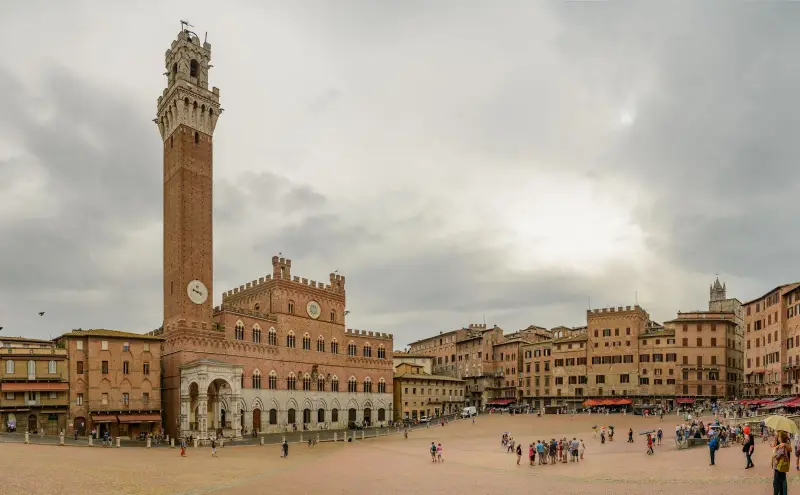

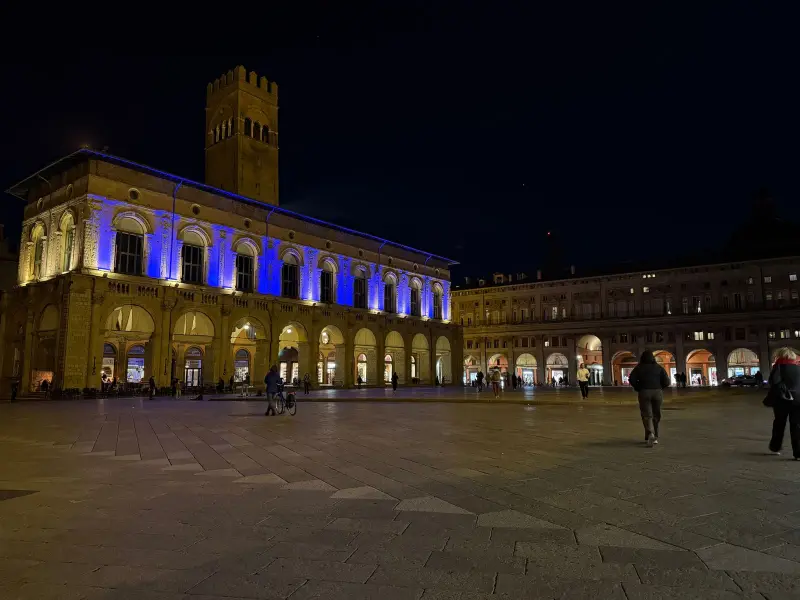
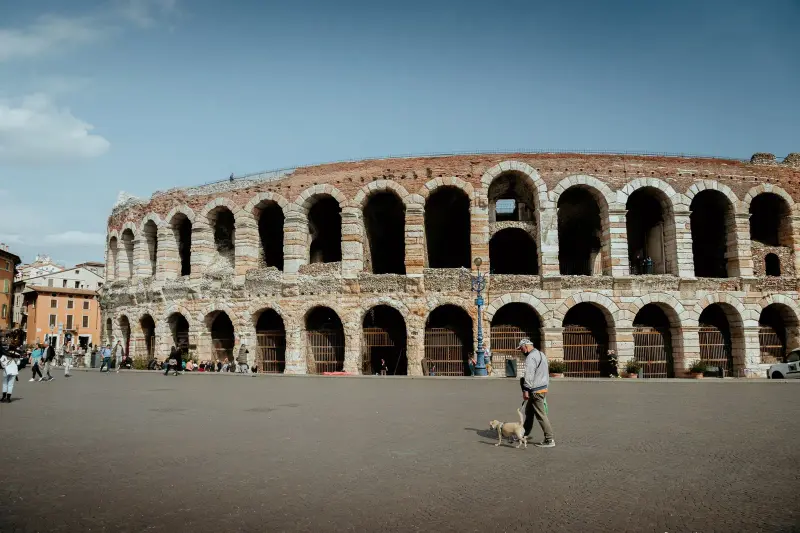
August weather like Florence, fewer visitors
August is Florence's busiest month: visitor nights in the region run at 2.3× an average month, with average highs of 32 °C. These cities are as warm in August but less busy then.
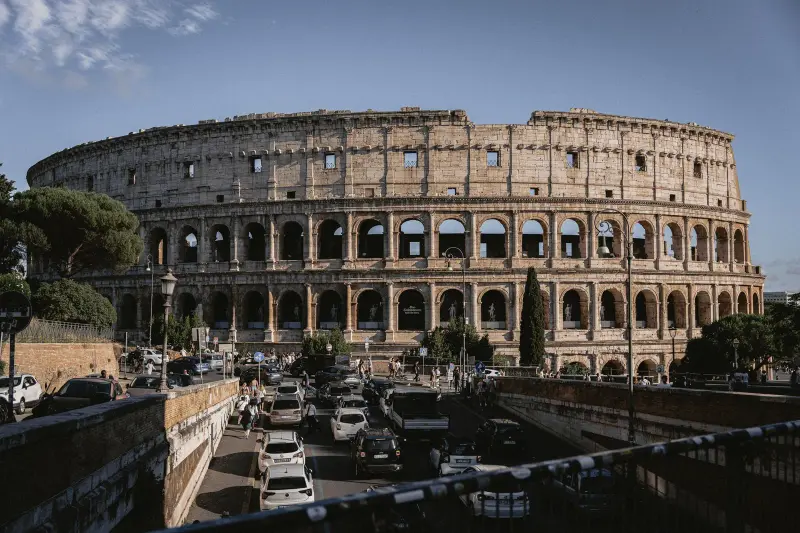 RomeItaly, 231 km away. August: 33 °C, 1.2× an average month (vs 2.3×).
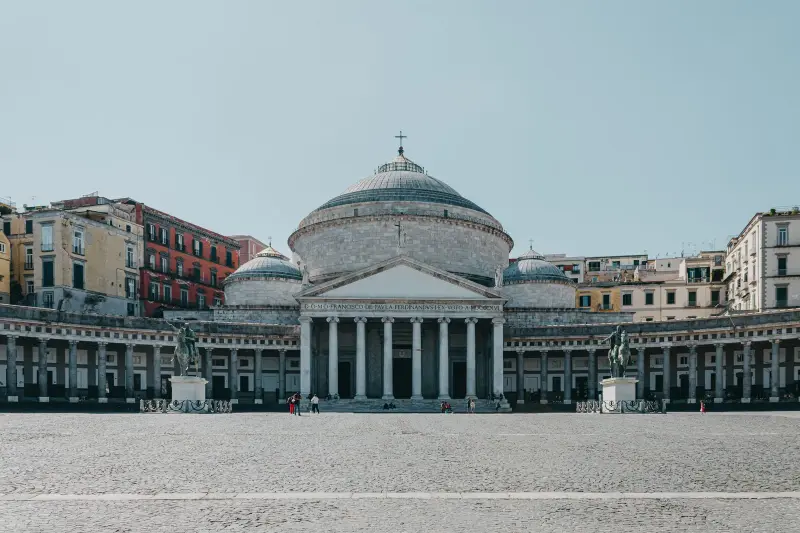 NaplesItaly, 408 km away. August: 31 °C, 2.0× an average month (vs 2.3×).
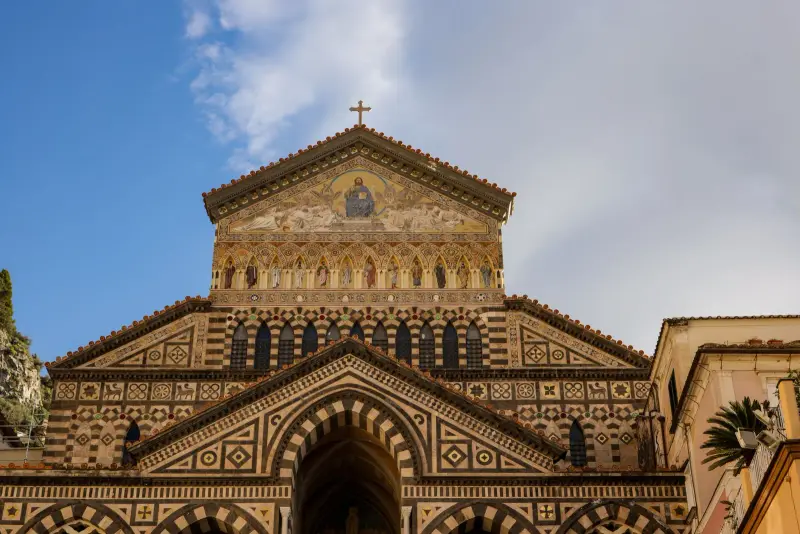 AmalfiItaly, 444 km away. August: 31 °C, 2.0× an average month (vs 2.3×).
Crowd levels: Eurostat nights spent at tourist accommodation by region and month, relative to each region's own average month — a measure of season, not of absolute crowding.
What Florence costs, how busy it gets
- Restaurants and hotels
- Price level 107 in Italy (EU = 100) — close to the EU average. Eurostat price level index, 2024; a country-wide average.
- Everyday costs
- Consumer price level 98 in Italy (EU = 100), 2024.
- Visitors per resident
- 15.2 tourist nights per resident a year in the surrounding region (ITI1, 2025) — 55.5 million nights for 3.7 million residents. Eurostat.
Cheapest months to fly to Florence
| From | Cheapest month | Lowest fare found | Months with data |
|---|---|---|---|
| London | Dec 2026 | €42 | 7 |
| Paris | Jan 2027 | €43 | 12 |
| Berlin | Jan 2027 | €55 | 9 |
| Amsterdam | Jun 2027 | €112 | 7 |
| Stockholm | Jan 2027 | €86 | 3 |
| New York | Jan 2027 | €310 | 3 |
Lowest fares found in recent flight searches (Aviasales), collected 15 November 2026. A guide to price level only — fares change daily and may not be available when you search.
Florence is on our lists forUltra-luxurySmall & quiet
Sources
- OpenStreetMap — area locations, distances and nearest stations for 6 of 6 areas (© OpenStreetMap contributors, ODbL)
- Open-Meteo historical weather API — monthly climate normals (ERA5), 2016–2025 (CC BY 4.0)
- ReasonStay methodology — how areas are chosen, measured and checked
An independent guide to where to stay in Florence. Booking links are affiliate links (how we're funded).