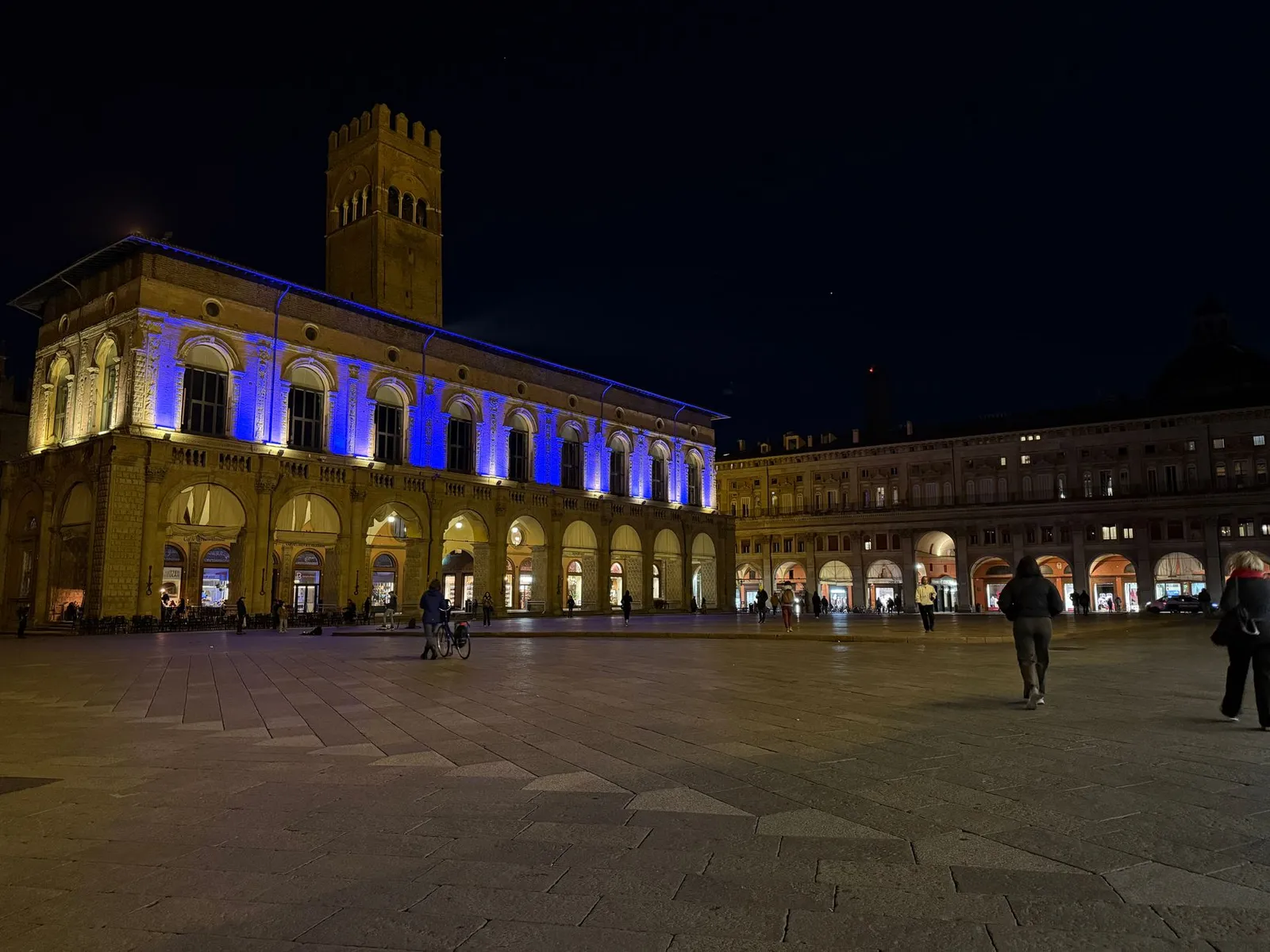
For a first visit, base yourself in the Historic Centre (Centro Storico) around Piazza Maggiore and the Two Towers — it puts you within walking distance of everything. The University Quarter suits younger travellers and nightlife, the Quadrilatero is ideal for food lovers, and areas near the train station work well for budget stays and easy onward travel. Families and quieter stays often prefer the residential streets just outside the porticoed core.
The areas, by traveller
Centro Storico (Historic Centre)
Centred on Piazza Maggiore and within a short walk of the Two Towers, this is the most convenient base with the highest concentration of sights, restaurants and porticoed streets. Everything is walkable, though it can be lively and central.
Explore Centro Storico (Historic Centre) →University Quarter (Zona Universitaria)
Built around Via Zamboni and the university buildings, this area is energetic and affordable-feeling, with bars, cafés and a strong student vibe. Expect noise in the evenings but easy access to the centre on foot.
Explore University Quarter (Zona Universitaria) →Quadrilatero
A tight grid of medieval market lanes just off Piazza Maggiore, packed with delis, osterie and produce stalls. Staying nearby means you're at the heart of Bologna's food scene and the main sights.
Explore Quadrilatero →Bologna Centrale (Station area)
The zone around the main train station is practical for onward travel and day trips, and tends to feel more functional than scenic. It's a manageable walk or short bus ride to the historic core.
Explore Bologna Centrale (Station area) →Santo Stefano & Strada Maggiore
Southeast of the centre around the Santo Stefano church complex, this area keeps the porticoes and charm with a calmer, more residential feel. Still walkable to the main squares.
Explore Santo Stefano →Saragozza & the hills edge
A leafier residential district heading toward the Portico di San Luca and the hillside, offering more space and calm away from the busiest streets. Best if you don't mind a longer walk or a short bus into town.
Explore Saragozza →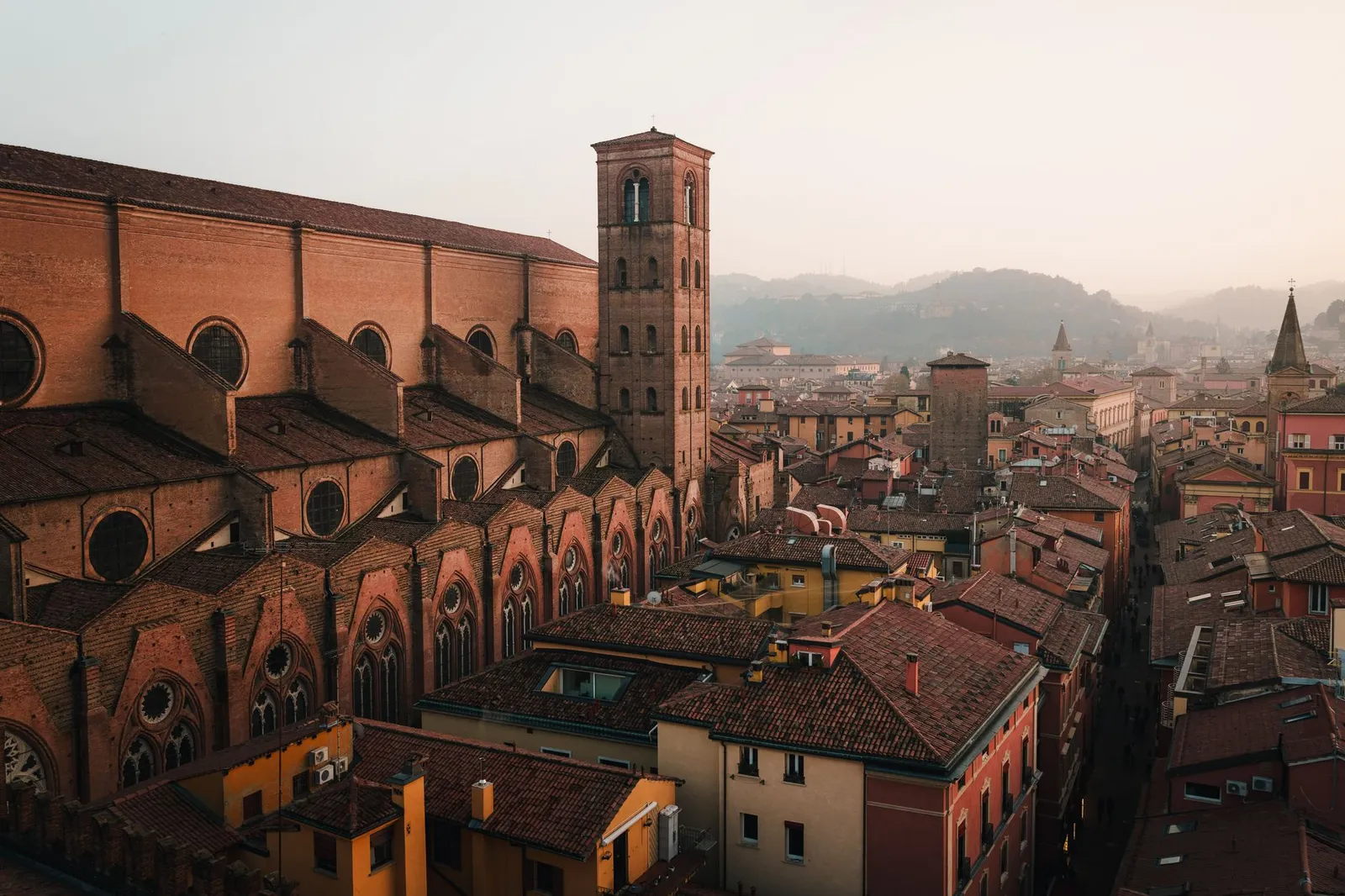
Practical basics
- Getting in
- Marconi (BLQ) sits just west of the city and connects to the centre and main train station via a dedicated rail shuttle, with taxis and buses also available.
- Getting around
- The historic centre is compact and walkable under its famous porticoes, so most visitors need only buses for outlying areas or the hills.
- Best time to visit
- Spring and autumn offer mild weather and fewer crowds, while summer can be hot and some businesses pause in August.
- Currency
- Italy uses the euro (EUR), and cards are widely accepted though small osterie and markets may prefer cash.
Frequently asked
Is the historic centre the best area for a first visit?
Yes — basing yourself in the Centro Storico near Piazza Maggiore and the Two Towers keeps you within walking distance of the main sights, food and nightlife.
Is it worth staying near the train station?
It's practical for budgets and for day trips or onward travel across Italy, though it's less atmospheric than the porticoed core, which is only a short walk away.
Where should families or those wanting quiet stay?
Consider the Santo Stefano area or the more residential Saragozza edge toward the hills, which are calmer while still connected to the centre on foot or by bus.
Cities near Bologna
Hand-picked hotel guides for Bologna — real hotels, exact prices and distances — are on the way. This page will grow into the full recommendation set.
An independent guide to where to stay in Bologna — hotel recommendations are on the way.