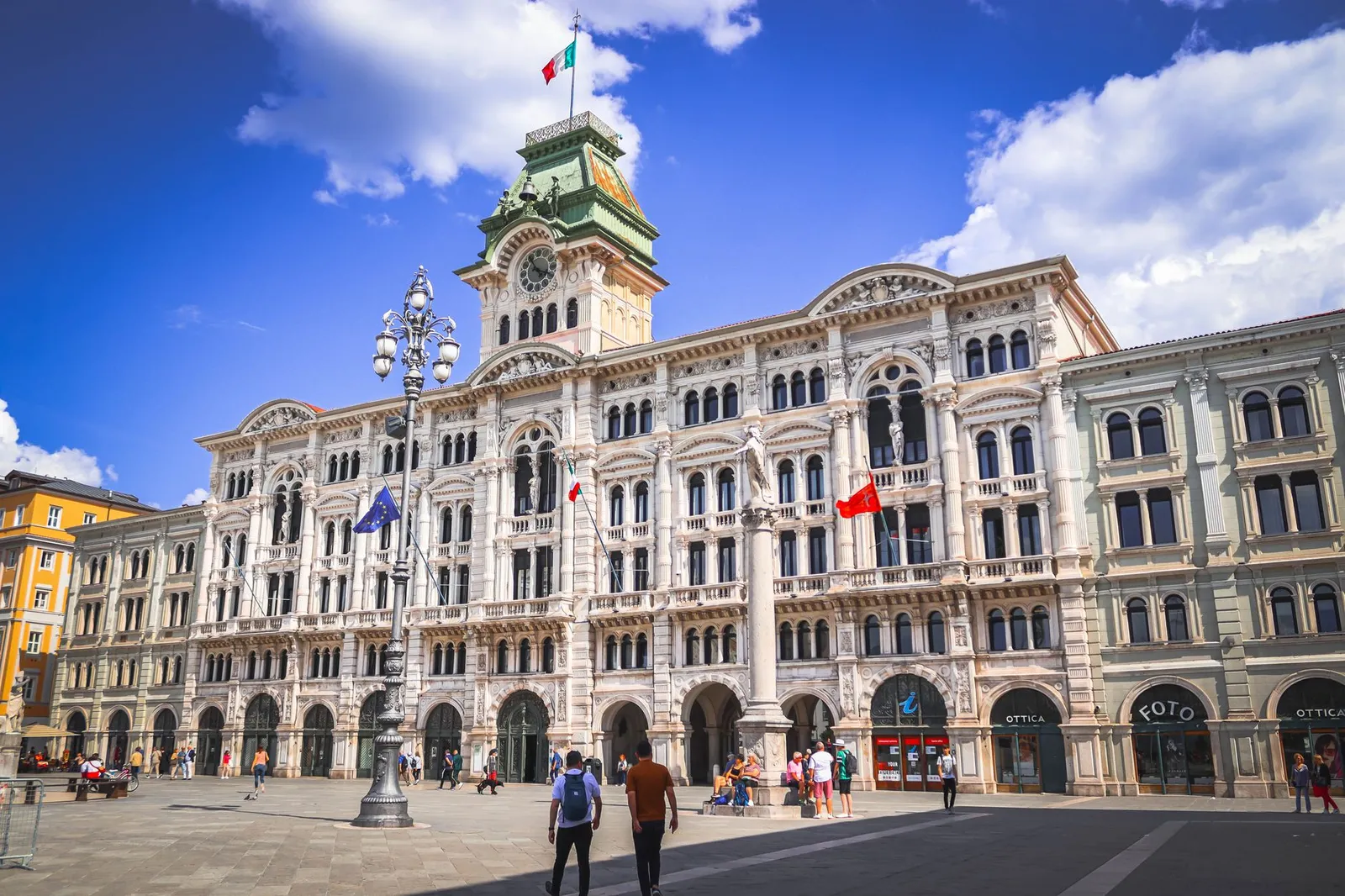
For a first visit to Trieste, base yourself in the City Centre (Borgo Teresiano) around Piazza Unità d'Italia for sights and walkability, or Cavana and the Old Town for atmospheric lanes and evenings out. Families and those wanting quiet often prefer the leafy residents' streets up toward Barcola and the seafront, while budget-minded travellers tend to cluster near the central train station and Borgo Teresiano for transport links.
Six areas, six different trips
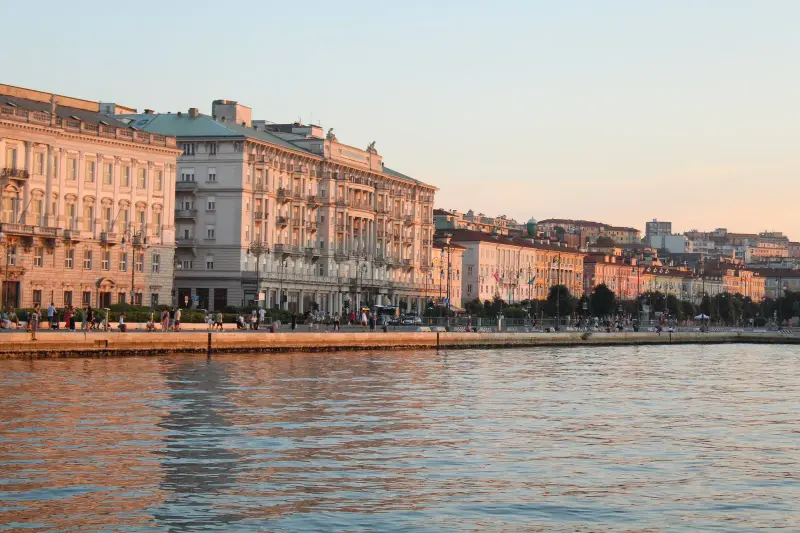
City Centre / Borgo Teresiano
The grid of neoclassical streets and canals wrapped around Piazza Unità d'Italia, within walking distance of the waterfront, cafés and main sights. The most convenient base if it's your first time in the city.
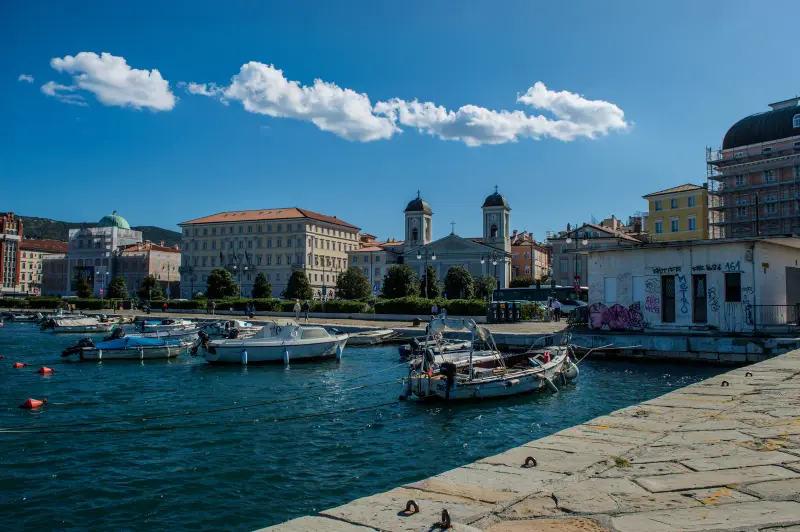
Cavana
A compact, lively quarter of restored lanes just inland from Piazza Unità, packed with bars, osterie and restaurants. Good for travellers who want to eat and drink on their doorstep.
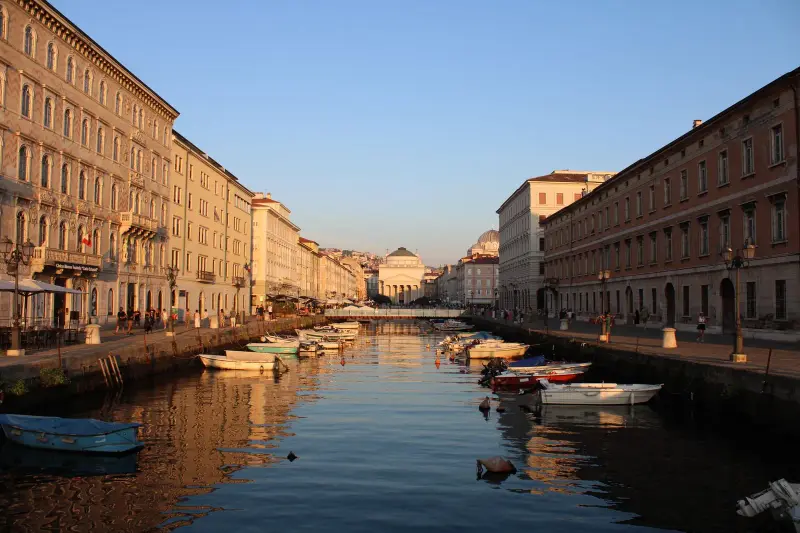
Old Town / Città Vecchia (San Giusto)
The historic hillside beneath the San Giusto castle and cathedral, with steep lanes and Roman remains. Characterful and central, though expect slopes and steps.
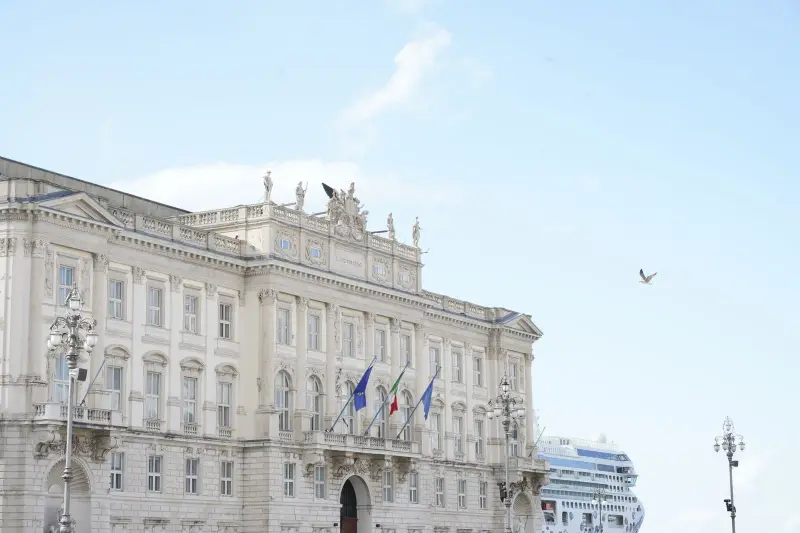
Barcola & the seafront
A breezy coastal stretch north of the centre known for its promenade and swimming spots. Calmer and more residential, best in warm months and with easy bus links into town.
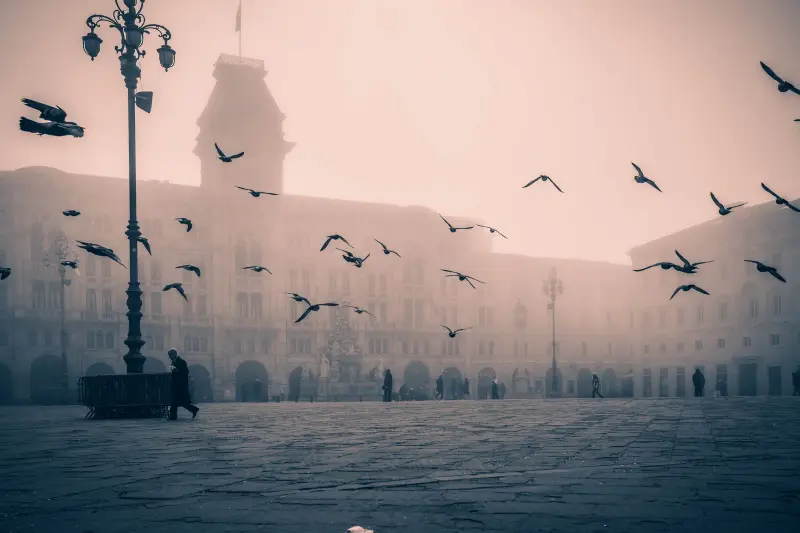
Near the Train Station (Stazione Centrale)
The area around the central station and northern Borgo Teresiano offers the easiest arrivals and onward connections. Practical and walkable to the centre, if less scenic.
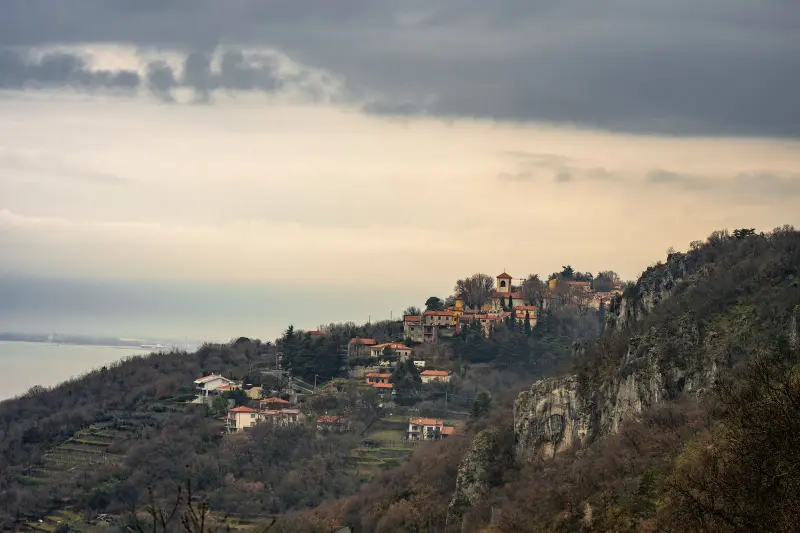
Roiano & the hillside suburbs
Residential neighbourhoods climbing the hills behind the city, quieter and more local in feel. Suits visitors wanting calm and value who don't mind a short bus or tram ride in.
Hotels in Trieste
See live prices and availability for stays in Trieste on a major booking site.
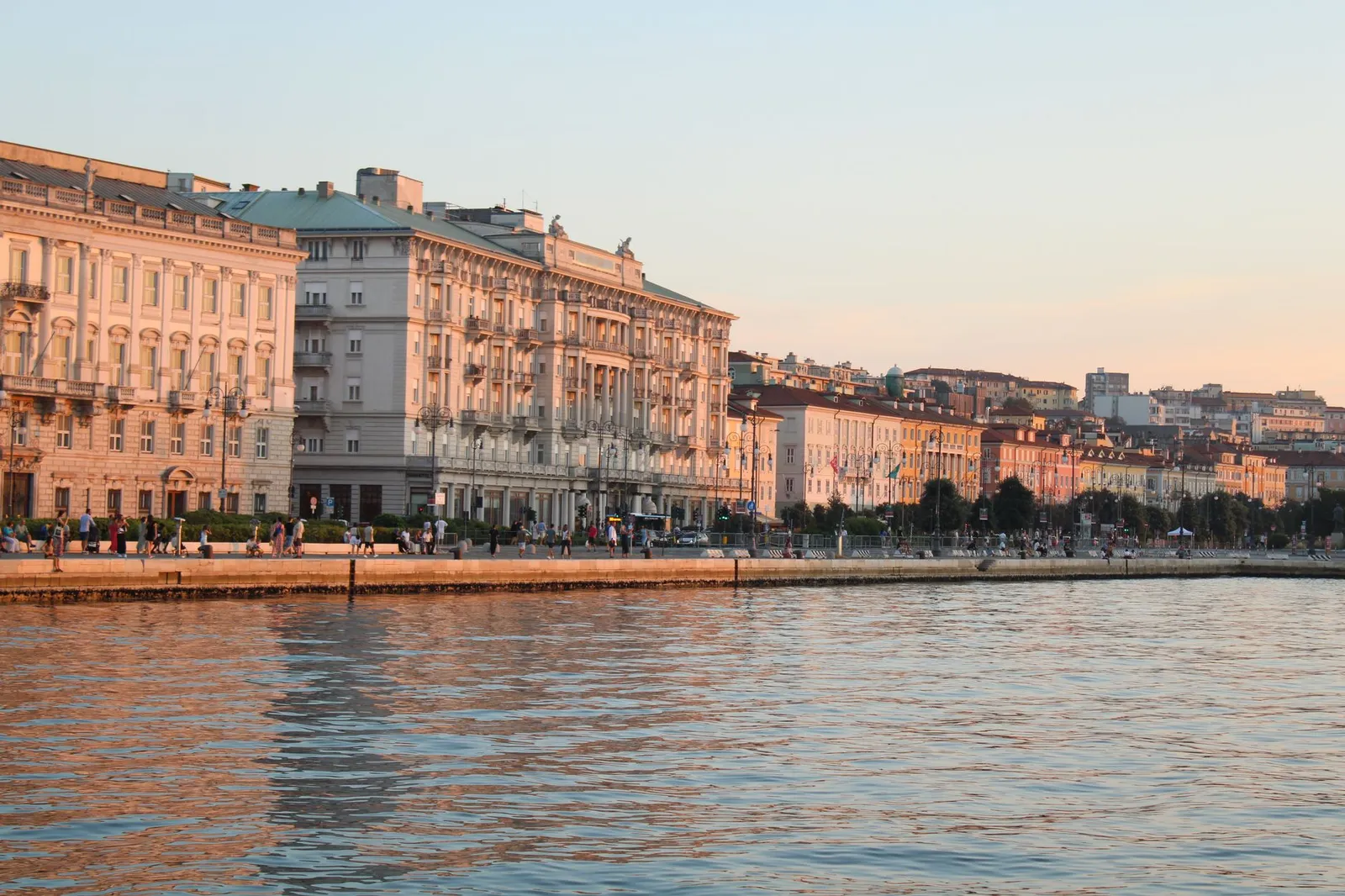
Practical basics
- Getting in
- Trieste (TRS) airport sits outside the city toward Ronchi dei Legionari, connected to the centre by bus and regional train in roughly an hour.
- Best time to visit
- Late spring and early autumn bring mild weather and fewer crowds, while summer is best for the Barcola seafront; winter can carry the sharp bora wind.
- Getting around
- The centre is compact and walkable, with city buses filling in longer hops to Barcola and the hillside suburbs.
Trieste through the year
On our climate rule the best months to visit Trieste are May, June, September and October. August is the warmest month (average high 29.3 °C) and January the coldest (8.7 °C by day, 2.6 °C at night); May has the most rain days (15 a month) and July the sunniest. Ten-year ERA5 normals via Open-Meteo, 2016–2025.
Read the month-by-month guidePlaces to stay around Trieste
Loads an interactive hotel map from a booking partner, which may set cookies. Privacy · affiliate links
Frequently asked
Which area is best for first-time visitors?
The City Centre around Piazza Unità d'Italia and Borgo Teresiano is the easiest base, keeping the main sights, cafés and waterfront within walking distance.
Where should I stay for nightlife and dining?
Cavana and the surrounding Old Town lanes have the densest cluster of bars and restaurants, ideal if you want to walk home after dinner.
Is it worth staying by the sea?
Barcola and the seafront are lovely in warmer months for the promenade and swimming, but they're a bus ride from the centre, so weigh that against the beach appeal.
Pair Trieste with
August weather like Trieste, fewer visitors
August is Trieste's busiest month: visitor nights in the region run at 2.6× an average month, with average highs of 29 °C. These cities are as warm in August but less busy then.
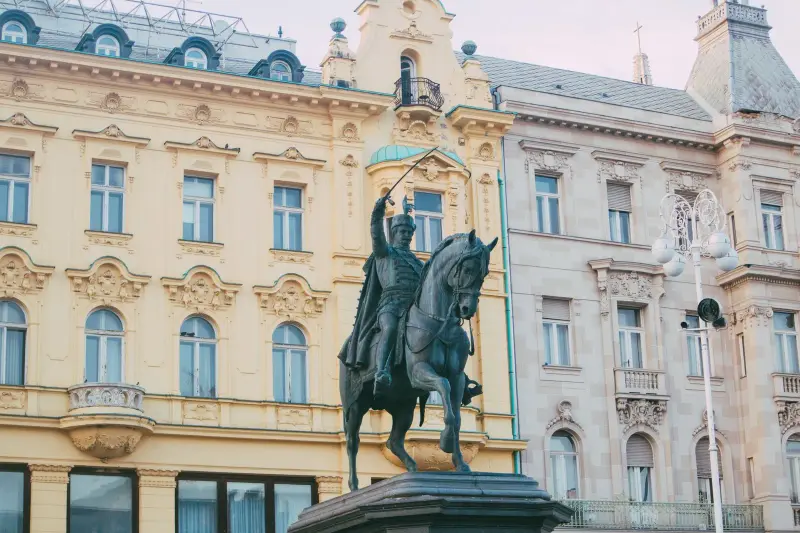 ZagrebCroatia, 172 km away. August: 28 °C, 1.3× an average month (vs 2.6×).
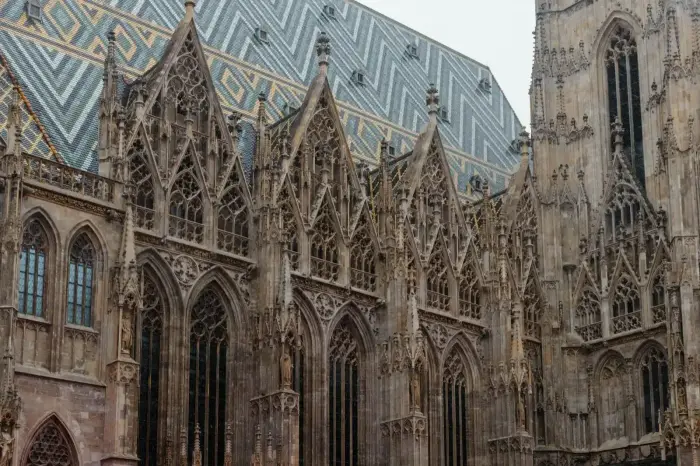 ViennaAustria, 346 km away. August: 27 °C, 1.2× an average month (vs 2.6×).
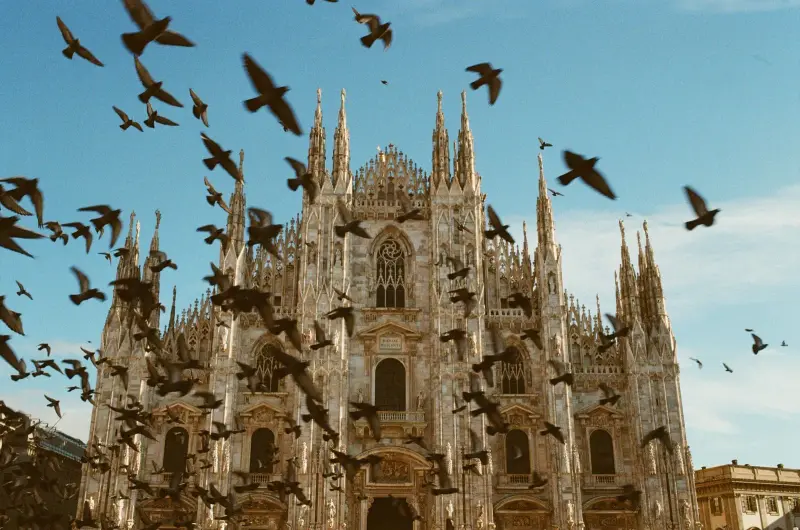 MilanItaly, 358 km away. August: 30 °C, 1.6× an average month (vs 2.6×).
Crowd levels: Eurostat nights spent at tourist accommodation by region and month, relative to each region's own average month — a measure of season, not of absolute crowding.
What Trieste costs, how busy it gets
- Restaurants and hotels
- Price level 107 in Italy (EU = 100) — close to the EU average. Eurostat price level index, 2024; a country-wide average.
- Everyday costs
- Consumer price level 98 in Italy (EU = 100), 2024.
- Visitors per resident
- 9.2 tourist nights per resident a year in the surrounding region (ITH4, 2025) — 11 million nights for 1.2 million residents. Eurostat.
Cheapest months to fly to Trieste
| From | Cheapest month | Lowest fare found | Months with data |
|---|---|---|---|
| London | Nov 2026 | €32 | 3 |
| Paris | Apr 2027 | €47 | 4 |
| Berlin | Jun 2027 | €69 | 3 |
| Amsterdam | Jun 2027 | €150 | 1 |
| Stockholm | Dec 2026 | €119 | 1 |
Lowest fares found in recent flight searches (Aviasales), collected 9 November 2026. A guide to price level only — fares change daily and may not be available when you search.
Sources
- Open-Meteo historical weather API — monthly climate normals (ERA5), 2016–2025 (CC BY 4.0)
- ReasonStay methodology — how areas are chosen, measured and checked
An independent guide to where to stay in Trieste. Booking links are affiliate links (how we're funded).