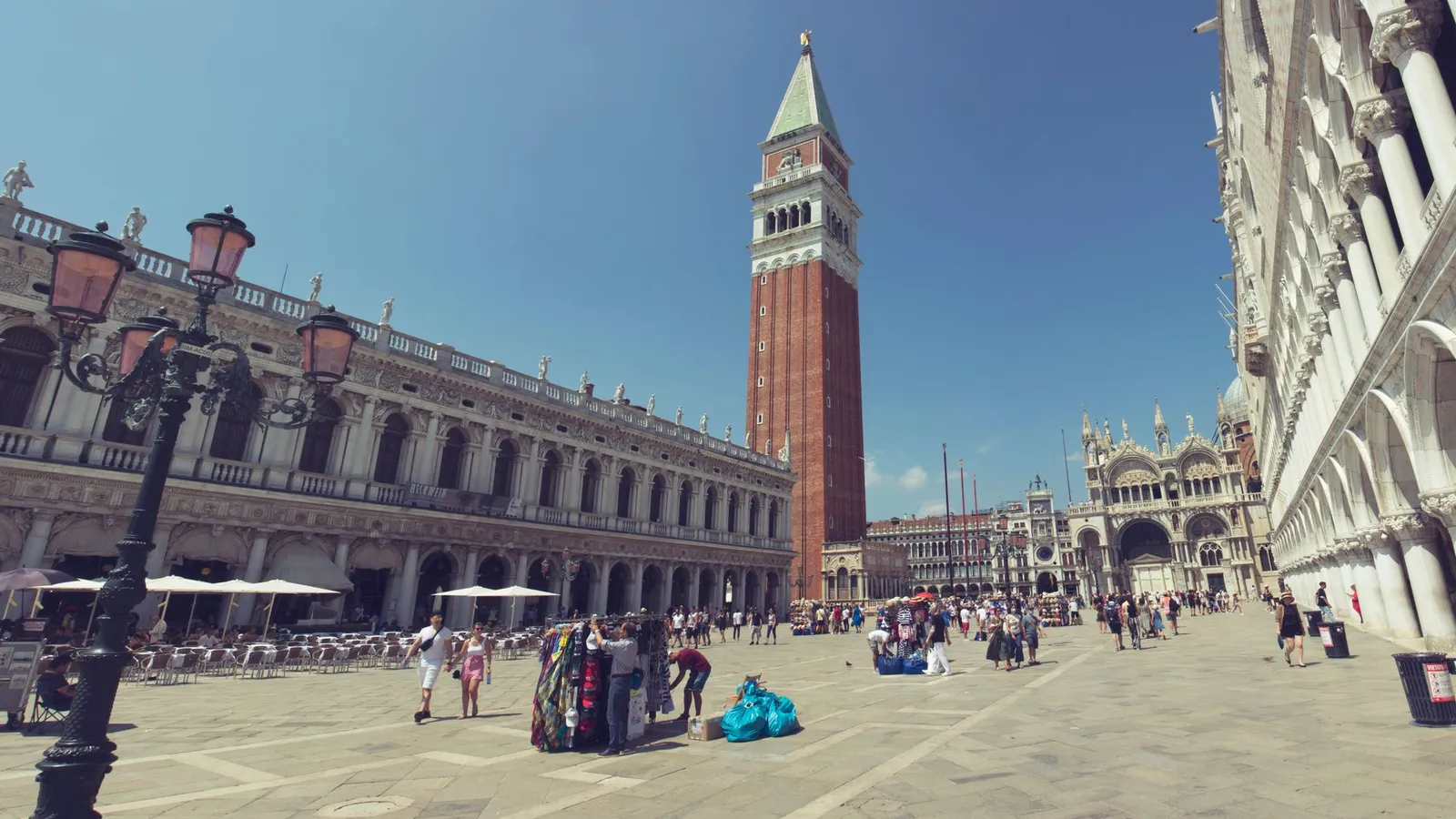
For a first visit, San Marco puts you beside St Mark's Square and the main sights, though it's the busiest and priciest area. Dorsoduro suits those wanting art, canalside strolls and a relaxed evening scene, while Cannaregio is best for a more local, walkable base with good value. Castello offers a quieter, residential feel close to the centre, and Santa Croce works well for anyone arriving by car or train.
Six areas, six different trips
San Marco
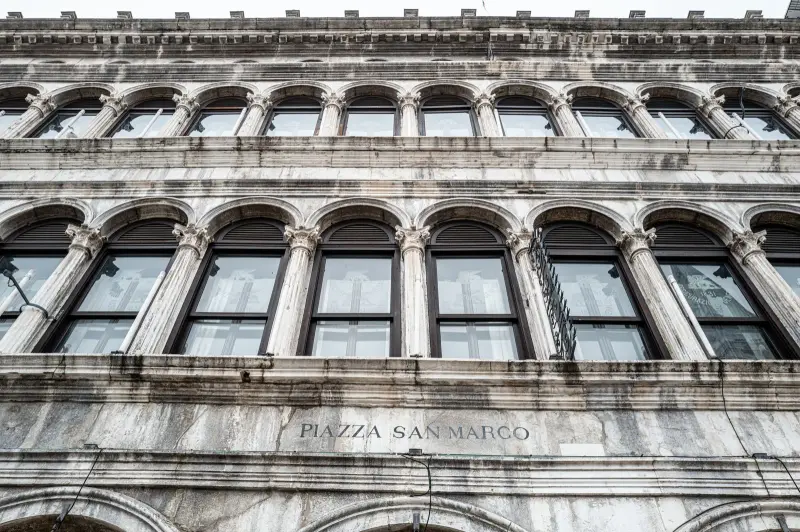
This is the heart of Venice, wrapped around St Mark's Square and the Rialto side. Everything is walkable but it's crowded by day and generally the most expensive district.
Dorsoduro
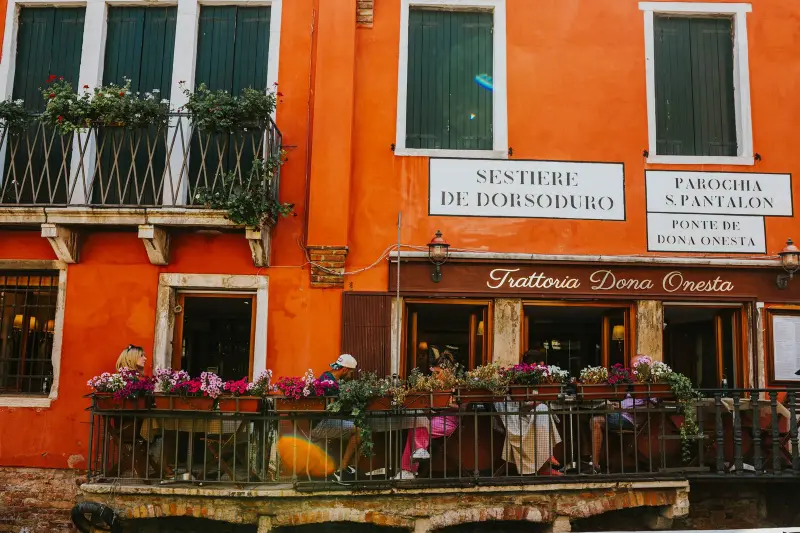
Home to major galleries and the lively Campo Santa Margherita, with sunny canalside walks along the Zattere. It has a younger, student-influenced energy and stays pleasant in the evenings.
Cannaregio
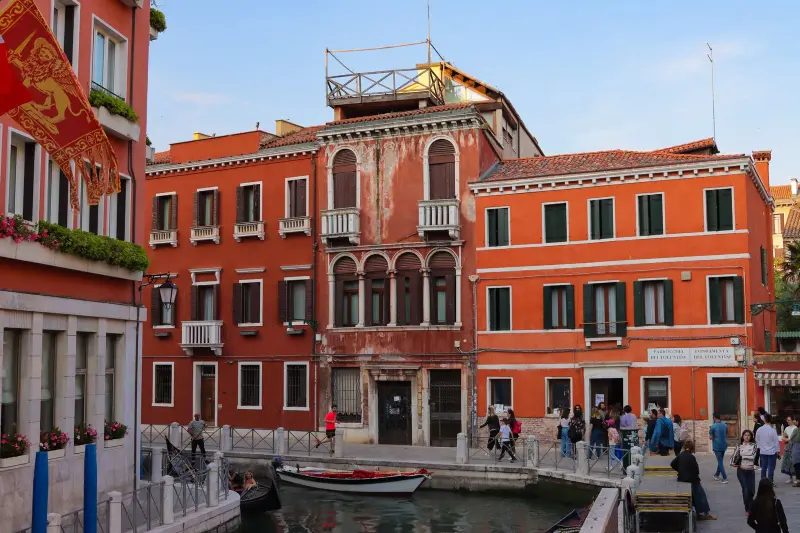
A largely residential quarter in the north with everyday shops, cicchetti bars and the historic Jewish Ghetto. It's close to the train station and offers a quieter, more authentic side of the city.
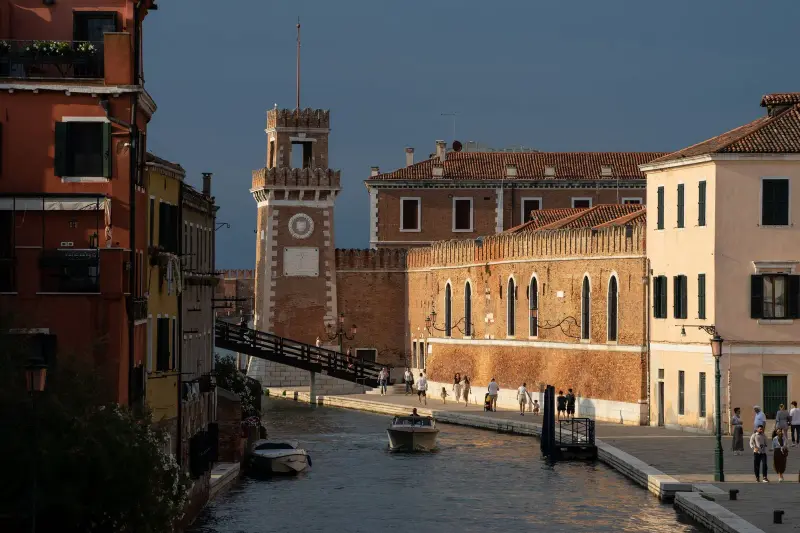
Castello
The largest district stretches east of San Marco toward the Arsenale and public gardens. It feels genuinely lived-in the further you go, yet the main sights remain within walking distance.
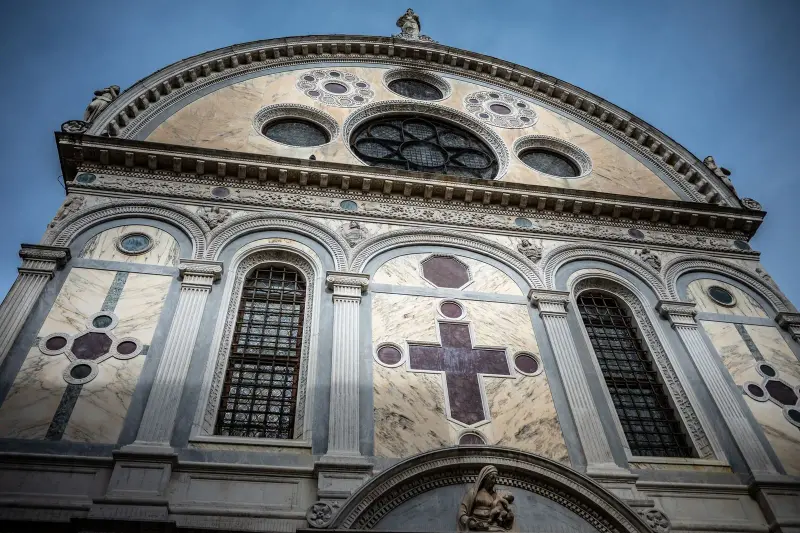
Santa Croce
Nearest to Piazzale Roma and the road and rail links, making it the easiest entry point with luggage. It's compact and central while feeling less touristy than San Marco.
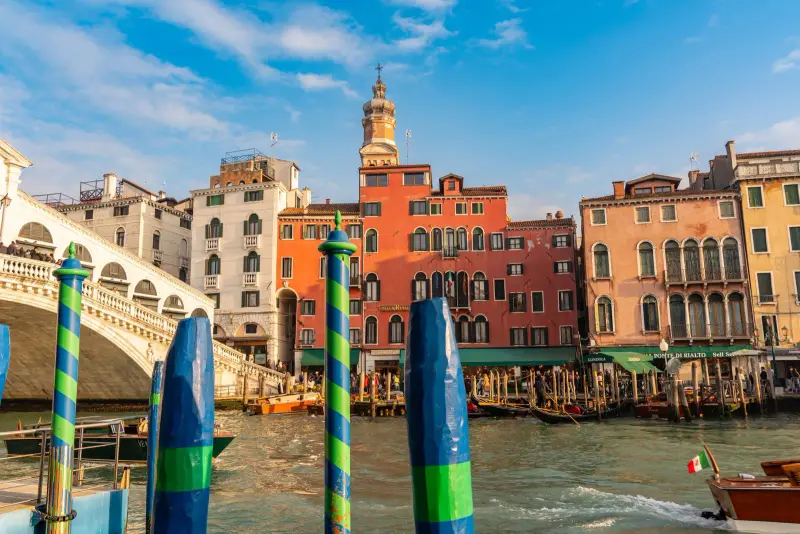
San Polo
A small central district around the Rialto Market, packed with bacari (wine bars) and produce stalls. It balances a lively, characterful setting with an easy walk to the main landmarks.
The areas, measured
Of the 6 areas we cover in Venice, San Marco is the most central (about 650 m from the centre) and Dorsoduro the farthest out (1.8 km). San Marco is nearest St Mark's Square at 0 m (about 1 min on foot); Santa Croce is 1.6 km away. 1 of the 6 measured areas has a metro, train or tram stop within 500 m of its centre.
| Area | Best for | To St Mark's Square | To centre | Nearest station |
|---|---|---|---|---|
| San Marco | First-timers who want to be in the middle of everything | 0 m · 1 min walk | 650 m | none within 1.5 km |
| Dorsoduro | Art lovers and those wanting atmosphere without the crush | 1.5 km · 19 min walk | 1.8 km | Piazzale Roma (train station), 540 m |
| Cannaregio | Value-seekers and travellers wanting local life | 1.4 km · 17 min walk | 1.1 km | Venezia Santa Lucia (train station), 560 m |
| Castello | Quiet stays and repeat visitors | 960 m · 12 min walk | 1.0 km | none within 1.5 km |
| Santa Croce | Arrivals by car, bus or train | 1.6 km · 20 min walk | 1.6 km | Piazzale Roma (train station), 180 m |
| San Polo | Food-focused visitors near the action | 840 m · 10 min walk | 860 m | Venezia Santa Lucia (train station), 740 m |
Straight-line distances from each area's centre, from OpenStreetMap (© OpenStreetMap contributors); walking routes are longer. "—" = not measured yet.
Hotels in Venice
See live prices and availability for stays in Venice on a major booking site.
Practical basics
- Getting in
- From Marco Polo (VCE) you reach the centre by water (Alilaguna or private boat) or by bus to Piazzale Roma, from where you continue on foot or by vaporetto.
- Getting around
- Venice is walkable, with the vaporetto (water bus) network filling the gaps; there are no cars in the historic centre.
- Best time to visit
- Spring and autumn offer milder weather and thinner crowds than the peak summer and Carnival periods.
- Currency
- The currency is the euro (EUR), and cards are widely accepted though small bars may prefer cash.
Venice through the year
On our climate rule the best months to visit Venice are May, June, September and October. August is the warmest month (average high 28.7 °C) and January the coldest (7.6 °C by day, 0.9 °C at night); May has the most rain days (15 a month) and July the sunniest. Ten-year ERA5 normals via Open-Meteo, 2016–2025.
Read the month-by-month guidePlaces to stay around Venice
Loads an interactive hotel map from a booking partner, which may set cookies. Privacy · affiliate links
Frequently asked
Which area is best for first-time visitors to Venice?
San Marco is the classic first-timer's choice, wrapped around St Mark's Square and the main sights with everything walkable. It's the busiest by day and generally the most expensive district, so Dorsoduro and San Polo are nearby alternatives with more atmosphere and often better value.
Which area is closest to St Mark's Square and most central?
San Marco is the most central of the six areas, about 650 m from the city centre and right at St Mark's Square at 0 m (about 1 min on foot). Castello is next nearest to the square at 960 m (about 12 min on foot), while Santa Croce is the farthest at 1.6 km (about 20 min on foot).
Which Venice areas are near a train station?
Santa Croce is closest to a rail stop, with Piazzale Roma about 180 m from the area's centre — the only one of the six areas with a station within 500 m. Dorsoduro is about 540 m from Piazzale Roma, Cannaregio about 560 m from Venezia Santa Lucia, and San Polo about 740 m from Venezia Santa Lucia (all straight-line).
Where should I stay in Venice to avoid the crowds?
Cannaregio and Castello are quieter, more residential districts that still keep you within walking distance of the central attractions. Castello (best for quiet stays and repeat visitors) feels genuinely lived-in the further east you go toward the Arsenale and gardens.
What is the weather like in the best months to visit Venice?
The best months are May, June, September and October. June has an average high of 26.2 °C with 9 rain days, September 24.0 °C with 10 rain days, and October 18.9 °C with 9 rain days; May is milder at 20.8 °C but has the most rain days of the year at 15 a month.
Dorsoduro or Cannaregio — which should I choose?
Dorsoduro suits art lovers wanting atmosphere, with major galleries, Campo Santa Margherita and sunny canalside walks along the Zattere; it's about 1.5 km from St Mark's Square (about 19 min on foot). Cannaregio is best for value and local life, a largely residential northern quarter about 1.4 km from St Mark's Square (about 17 min on foot) and close to Venezia Santa Lucia station.
Pair Venice with
August weather like Venice, fewer visitors
August is Venice's busiest month: visitor nights in the region run at 2.4× an average month, with average highs of 29 °C. These cities are as warm in August but less busy then.
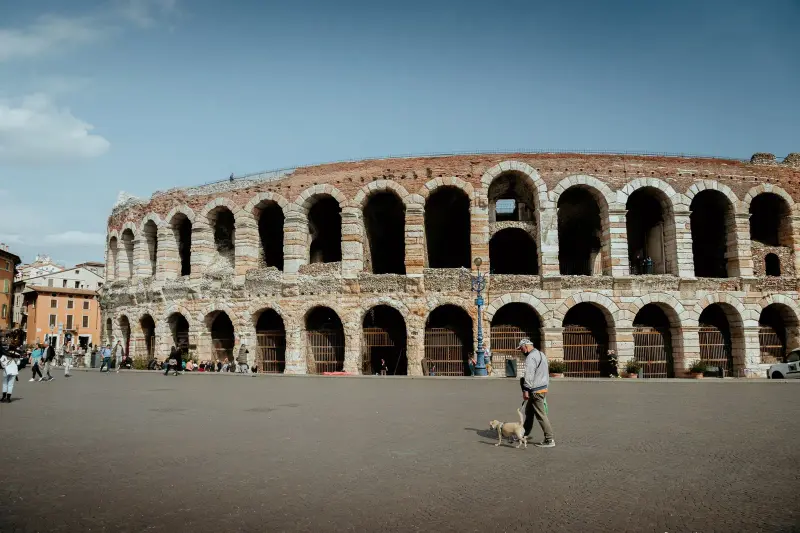
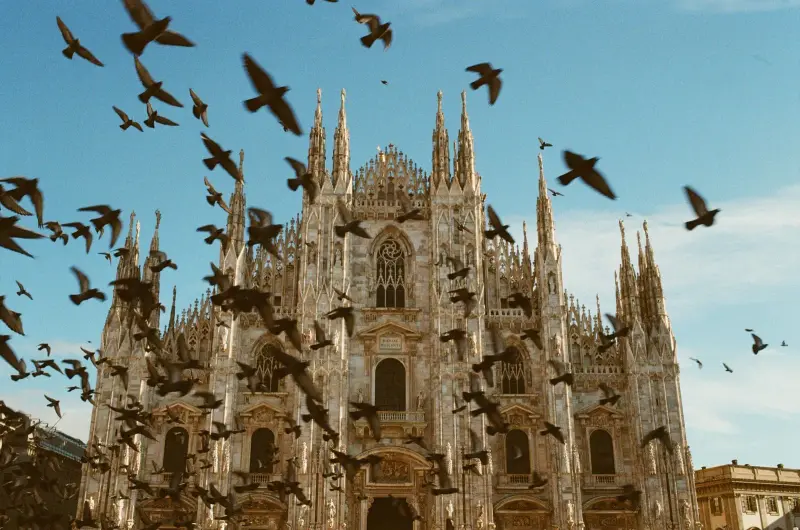 MilanItaly, 246 km away. August: 30 °C, 1.6× an average month (vs 2.4×).
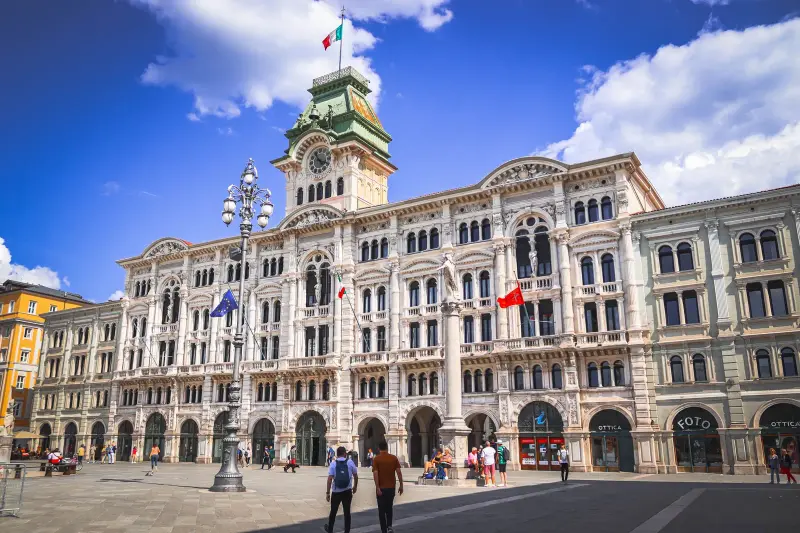
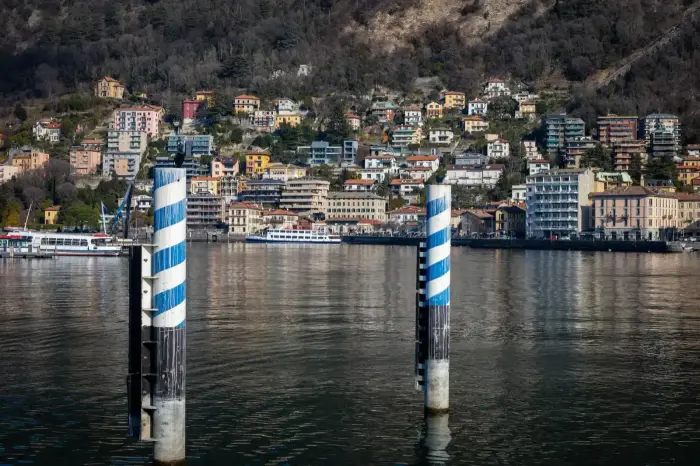 ComoItaly, 257 km away. August: 28 °C, 1.6× an average month (vs 2.4×).
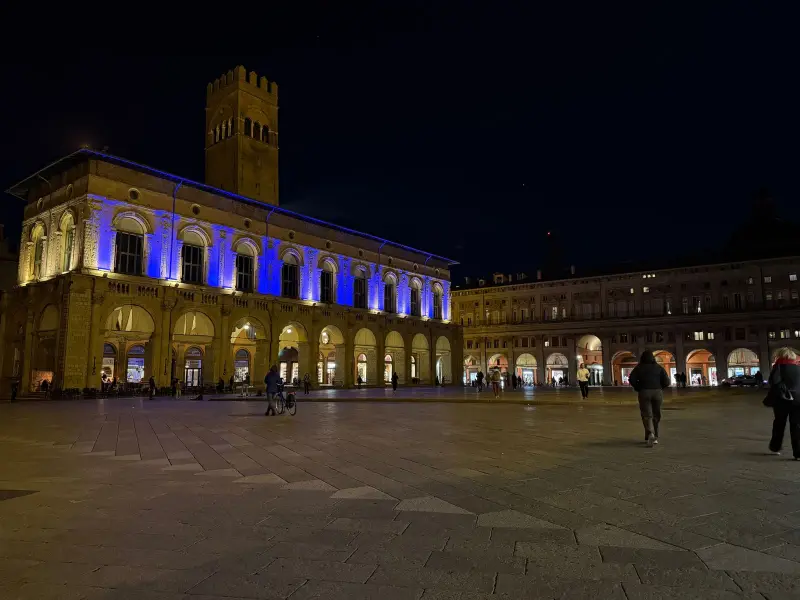
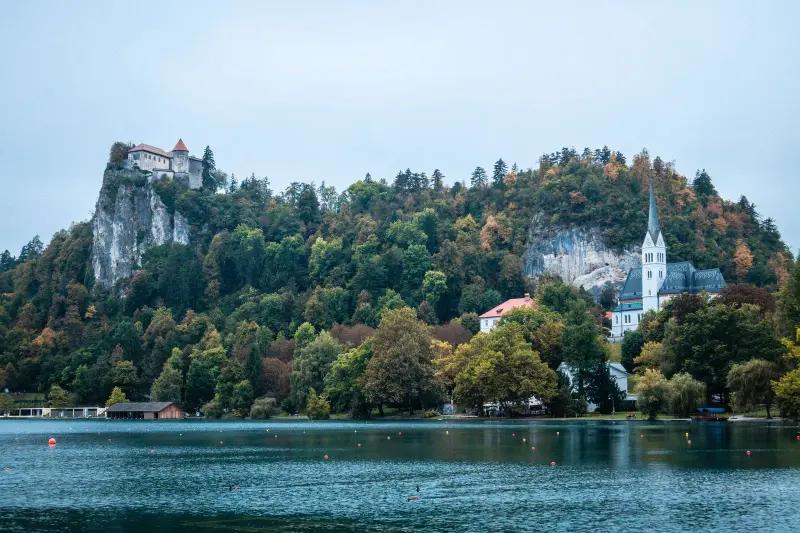
 ZagrebCroatia, 286 km away. August: 28 °C, 1.3× an average month (vs 2.4×).
Crowd levels: Eurostat nights spent at tourist accommodation by region and month, relative to each region's own average month — a measure of season, not of absolute crowding.
What Venice costs, how busy it gets
- Restaurants and hotels
- Price level 107 in Italy (EU = 100) — close to the EU average. Eurostat price level index, 2024; a country-wide average.
- Everyday costs
- Consumer price level 98 in Italy (EU = 100), 2024.
- Visitors per resident
- 15.3 tourist nights per resident a year in the surrounding region (ITH3, 2025) — 74.2 million nights for 4.9 million residents. Eurostat.
Cheapest months to fly to Venice
| From | Cheapest month | Lowest fare found | Months with data |
|---|---|---|---|
| London | Dec 2026 | €18 | 9 |
| Paris | Dec 2026 | €16 | 13 |
| Berlin | Jan 2027 | €22 | 9 |
| Amsterdam | Jan 2027 | €68 | 9 |
| Stockholm | Apr 2027 | €53 | 9 |
| New York | Nov 2026 | €246 | 7 |
Lowest fares found in recent flight searches (Aviasales), collected 15 November 2026. A guide to price level only — fares change daily and may not be available when you search.
Venice is on our lists forUltra-luxurySmall & quiet
Sources
- OpenStreetMap — area locations, distances and nearest stations for 6 of 6 areas (© OpenStreetMap contributors, ODbL)
- Open-Meteo historical weather API — monthly climate normals (ERA5), 2016–2025 (CC BY 4.0)
- ReasonStay methodology — how areas are chosen, measured and checked
An independent guide to where to stay in Venice. Booking links are affiliate links (how we're funded).