Germany rewards travellers with world-class culture, walkable historic centres and one of Europe's best rail networks, making it easy to base yourself in one city and day-trip from there. Choosing where to stay comes down to the kind of trip you want: cosmopolitan capital energy in Berlin, Bavarian tradition in Munich, maritime cool in Hamburg or cathedral-town charm in Cologne and Dresden.
Which city in Germany?
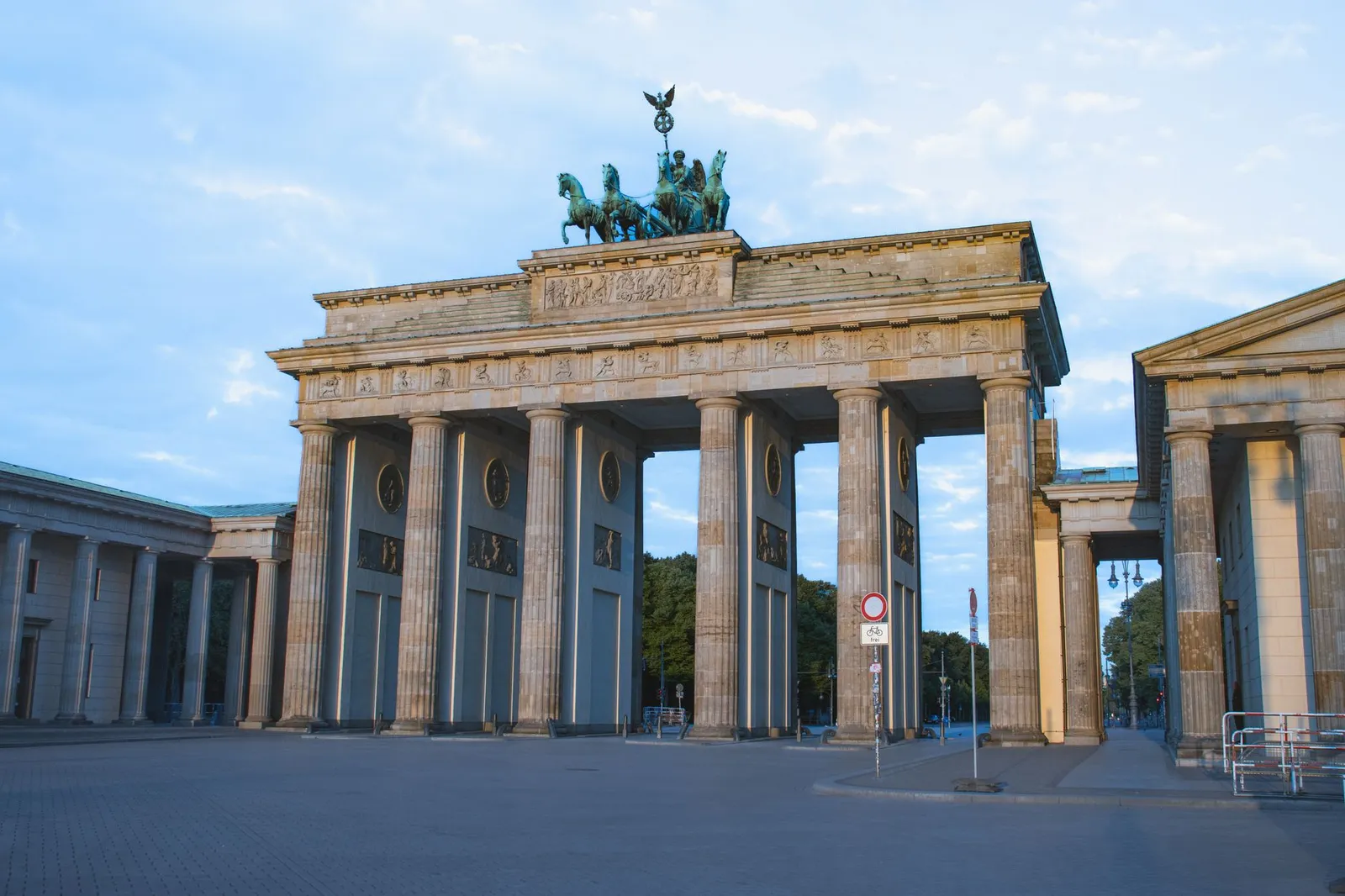
For a first trip, Berlin offers the broadest mix of history, museums and nightlife around landmarks like the Brandenburg Gate, while Munich, centred on Marienplatz, suits those after Bavarian tradition, beer halls and easy Alpine access. Culture-focused travellers gravitate to Dresden and its rebuilt Frauenkirche, or Cologne, dominated by its Gothic cathedral.
For waterside atmosphere and a lively music scene, Hamburg and the Elbphilharmonie stand out. Frankfurt, home to the Römer, is the practical, well-connected pick for business or short stops, and neighbouring Düsseldorf, with its buzzing Altstadt, leans towards nightlife and shopping. Families often find Munich and Hamburg especially manageable.
9 cities to choose from
Planning a trip to Germany
- Getting around
- Germany's intercity trains are fast, frequent and the natural way to hop between cities such as Berlin, Munich, Hamburg and Cologne. Domestic flights exist but rarely beat rail for time once you factor in airports. Driving suits rural regions and the countryside, while ferries and river cruises serve coastal and riverside routes. Within cities, trams, U-Bahn, S-Bahn and buses make a car unnecessary.
- Best time to visit
- Late spring and early autumn are the sweet spots, with mild weather, longer days and thinner crowds than peak summer. Summer brings warm temperatures, festivals and busy sights, while winter is cold but atmospheric, with Christmas markets across cities like Cologne, Dresden and Munich. Expect rain year-round, particularly in the north around Hamburg. Shoulder seasons generally offer the best balance of value and comfort.
Germany: common questions
Which city should I stay in?
For a first visit, Berlin gives you the most variety; Munich suits tradition and Alpine trips, Hamburg appeals for waterfront and music, and Cologne or Dresden are ideal for cathedral history and compact old towns.
How many cities can I combine?
With Germany's fast trains, two or three cities in a week is comfortable. A common pairing is Berlin with Dresden, or Munich with a southern base, while Cologne, Düsseldorf and Frankfurt sit close together in the west.
Is Germany good for a first trip?
Yes. It's easy to navigate, English is widely spoken in tourist areas, and the rail network links major cities smoothly. Berlin and Munich are the most beginner-friendly bases.
Where's best for nightlife versus families?
Berlin and Düsseldorf lead for nightlife, while Munich and Hamburg tend to be more relaxed and family-friendly, with parks, harbours and manageable city centres.
Independent guides to where to stay in Germany — chosen on facts and verified before we publish.