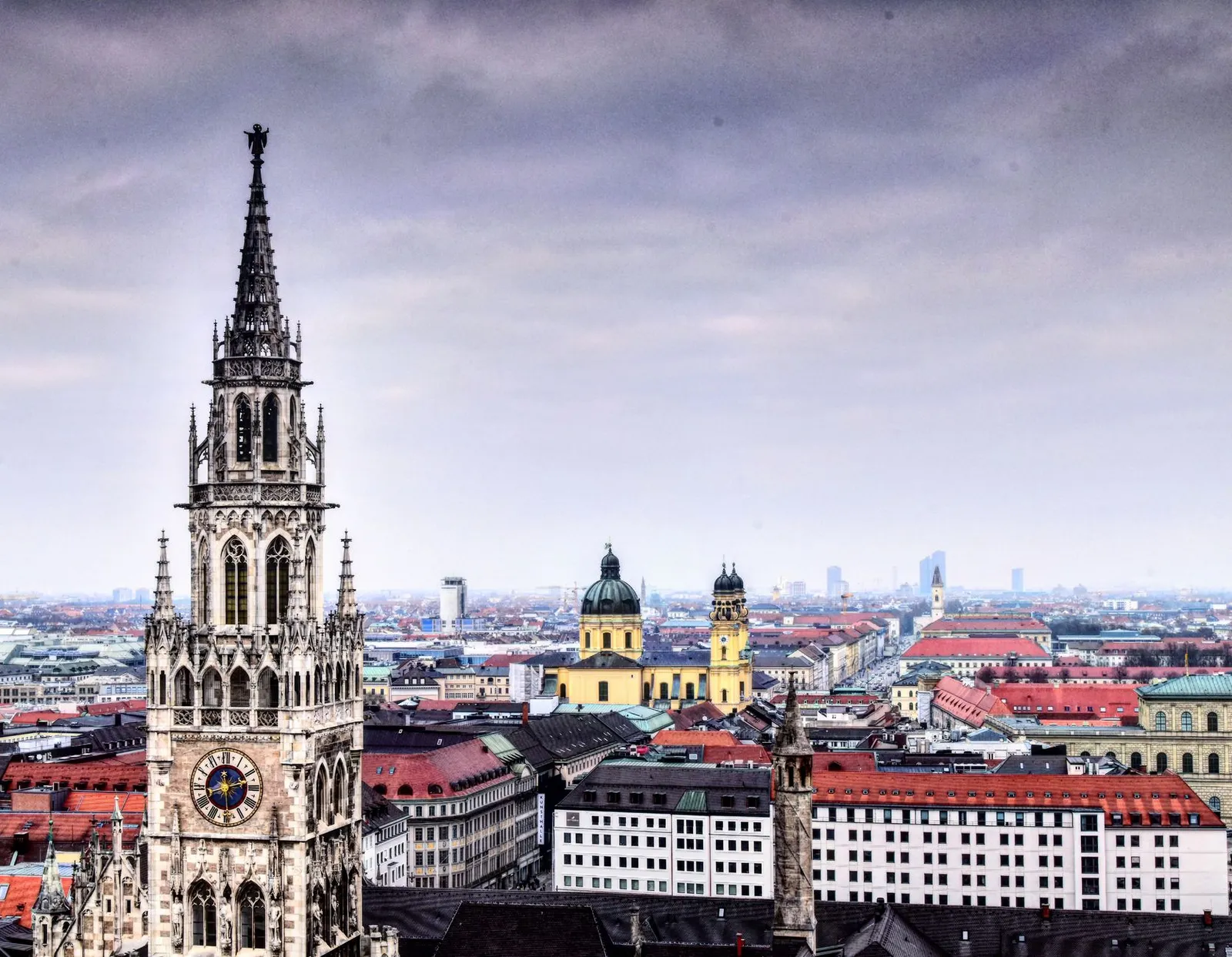
For a first visit to Munich, base yourself in the Altstadt (Old Town) around Marienplatz for maximum sightseeing on foot. Schwabing suits those who want lively cafés, students and green space near the English Garden, while Maxvorstadt is ideal for museum lovers and a younger crowd. Families and travellers wanting a quieter local feel do well in Haidhausen, and Ludwigsvorstadt near the main station works for easy transit connections and budget-minded stays.
The areas, by traveller
Altstadt (Old Town)
Centred on Marienplatz, this is the historic heart with major squares, churches and shopping streets all walkable. Everything feels close, though it can be busy and buzzy during the day.
Explore Altstadt (Old Town) →Schwabing
A leafy, bohemian district bordering the English Garden, long associated with students and artists. Expect tree-lined streets, relaxed cafés and easy U-Bahn access to the centre.
Explore Schwabing →Maxvorstadt
Home to the city's main art museums and university buildings, giving it a studenty, cultured atmosphere. It sits just north of the Old Town and is well connected on foot and by transit.
Explore Maxvorstadt →Haidhausen
A residential, village-like quarter east of the river with a French-influenced street grid and neighbourhood restaurants. Quieter than the centre but still an easy tram or U-Bahn ride away.
Explore Haidhausen →Ludwigsvorstadt
The area around the main railway station is practical for arrivals and departures with plenty of transport links. It's more workaday and mixed in character than the polished Old Town.
Explore Ludwigsvorstadt →Glockenbachviertel
A trendy district south of the centre known for bars, restaurants and an inclusive, creative scene. Central enough to walk to the Old Town while keeping its own distinct energy.
Explore Glockenbachviertel →
Practical basics
- Getting in
- Munich (MUC) sits northeast of the city and connects to the centre and main station via the S-Bahn commuter train in roughly 40–45 minutes.
- Best time to visit
- Late spring through early autumn offers mild weather and beer gardens, while late September brings Oktoberfest crowds and much higher demand.
- Getting around
- An integrated U-Bahn, S-Bahn, tram and bus network covers the city, and the compact centre is very walkable.
Frequently asked
Where should I stay in Munich for my first visit?
The Altstadt (Old Town) around Marienplatz is the easiest base, putting the main sights, shopping and transit within walking distance.
Is it worth staying near the main station?
Ludwigsvorstadt near the station is convenient for transport and often better value, though the immediate area is more functional than scenic; the centre is a short ride or walk away.
Which area is best during Oktoberfest?
Areas near the Theresienwiese, such as Ludwigsvorstadt, put you closest to the festival grounds, but book far ahead as the whole city fills up during the event.
Cities near Munich
Hand-picked hotel guides for Munich — real hotels, exact prices and distances — are on the way. This page will grow into the full recommendation set.
An independent guide to where to stay in Munich — hotel recommendations are on the way.