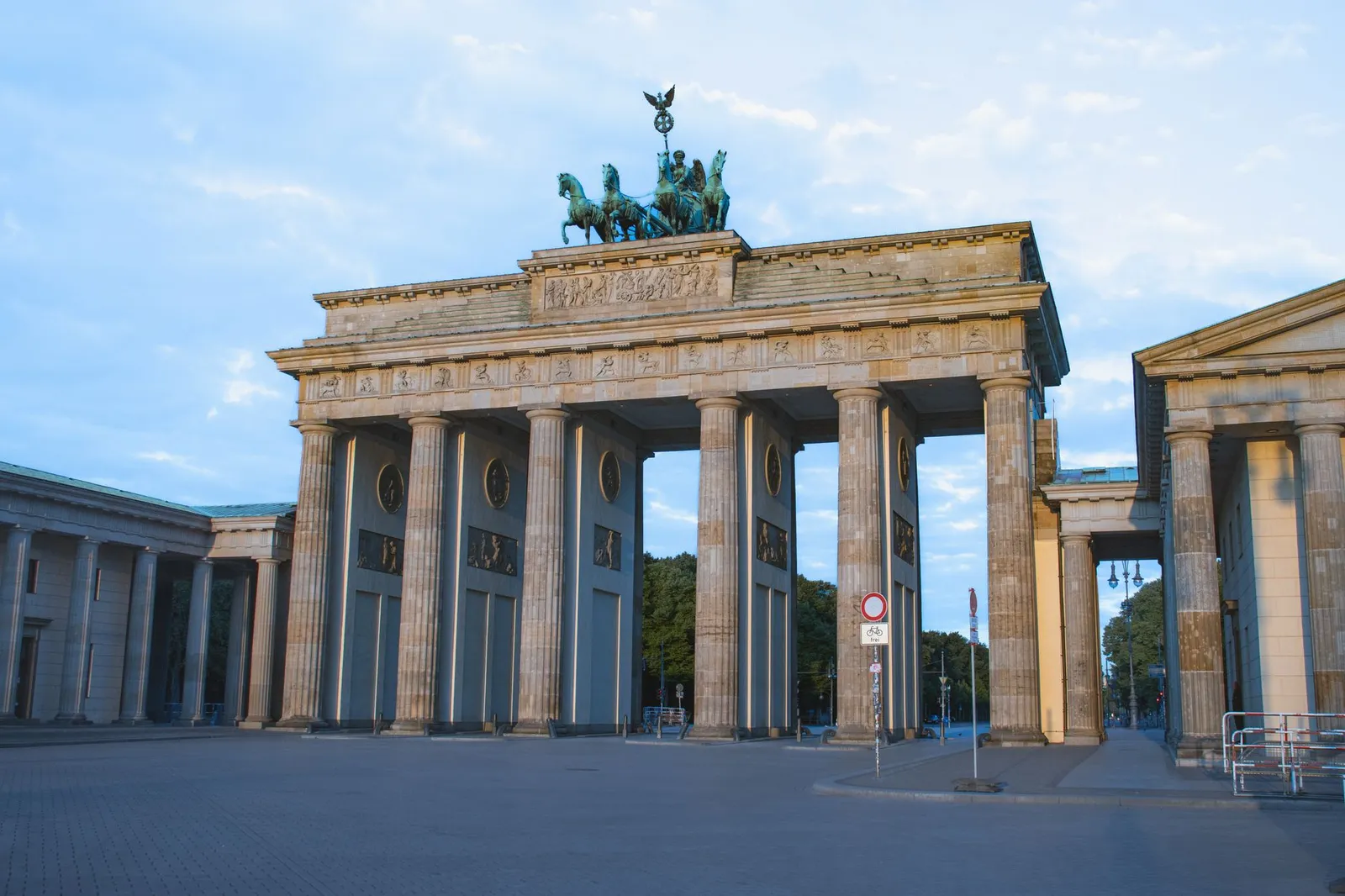
First-time visitors usually base themselves in Mitte, the central district next to the Brandenburg Gate and most major sights. Kreuzberg and Friedrichshain suit those chasing nightlife and a creative, edgy scene, while Prenzlauer Berg is calmer and works well for families and longer stays. Charlottenburg appeals to travellers who prefer classic, leafy streets and relaxed shopping away from the tourist crowds.
The areas, by traveller
Mitte
The historic heart of the city, home to the Brandenburg Gate, Museum Island and Unter den Linden. Central and well-connected, so most landmarks are within walking distance or a short transit ride.
Explore Mitte →Kreuzberg
A multicultural, alternative district known for bars, street food, canals and a lively arts scene. Buzzy and informal, especially good if you want to be out late.
Explore Kreuzberg →Friedrichshain
Home to the East Side Gallery and a dense concentration of clubs and casual eateries. Gritty and energetic, with easy transit links across the river to Kreuzberg.
Explore Friedrichshain →Prenzlauer Berg
A leafy former East Berlin neighbourhood with cafés, playgrounds and weekend markets around Kollwitzplatz. Relaxed and residential while still close to central sights by tram or U-Bahn.
Explore Prenzlauer Berg →Charlottenburg
A refined western district near the Kurfürstendamm shopping boulevard and Charlottenburg Palace. Elegant and calm, suiting visitors who prefer traditional Berlin over the trendier east.
Explore Charlottenburg →Neukölln
An up-and-coming area with a strong independent café and bar culture and diverse food. Less polished but lively, and generally easier on the wallet than the centre.
Explore Neukölln →
Practical basics
- Getting in
- Brandenburg (BER) airport sits southeast of the city, connected to central Berlin by direct regional and airport express trains in roughly half an hour.
- Best time to visit
- Late spring through early autumn offers the mildest weather and outdoor life, while December brings Christmas markets and a colder, quieter mood.
- Getting around
- Berlin's U-Bahn, S-Bahn, tram and bus network is extensive and reliable, making a central base easy to explore from without a car.
- Currency
- Germany uses the euro (EUR), and cards are widely accepted though some smaller bars and shops still prefer cash.
Frequently asked
Where should first-time visitors stay in Berlin?
Mitte is the easiest choice for a first trip, as it puts you beside the Brandenburg Gate, Museum Island and most headline sights with strong transit links.
Which area is best for nightlife?
Kreuzberg and Friedrichshain are the go-to districts for bars and clubs, with a late-night, alternative scene on both sides of the river.
Is Berlin easy to get around without a car?
Yes — the combined U-Bahn, S-Bahn, tram and bus system covers the whole city, so staying in almost any central district keeps you well connected.
Cities near Berlin
Hand-picked hotel guides for Berlin — real hotels, exact prices and distances — are on the way. This page will grow into the full recommendation set.
An independent guide to where to stay in Berlin — hotel recommendations are on the way.