
For a first visit to Dresden, base yourself in the Altstadt (Old Town) to be steps from the Frauenkirche and the main sights. The Neustadt across the river suits nightlife and a younger, creative crowd, while quieter districts like Striesen and Blasewitz work well for families and travellers who want calm residential streets. Budget-minded visitors often look toward the area around the main station (Hauptbahnhof) for value and transport links.
Six areas, six different trips

Altstadt (Old Town)
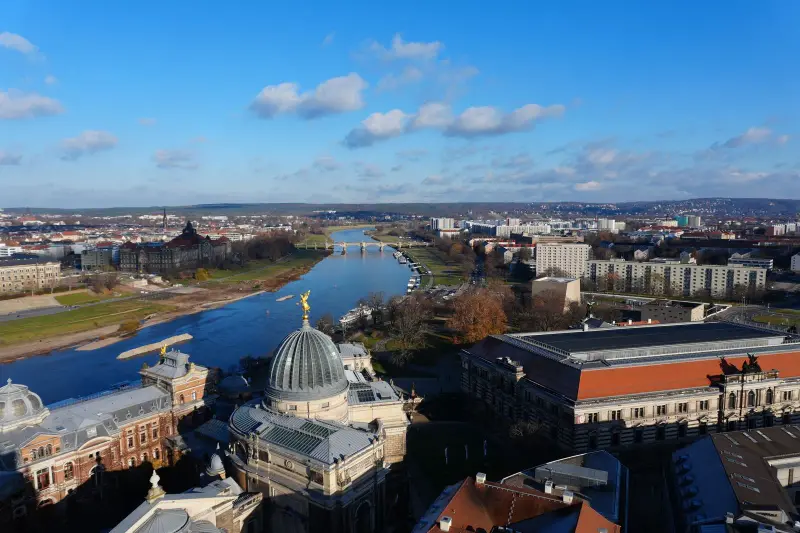
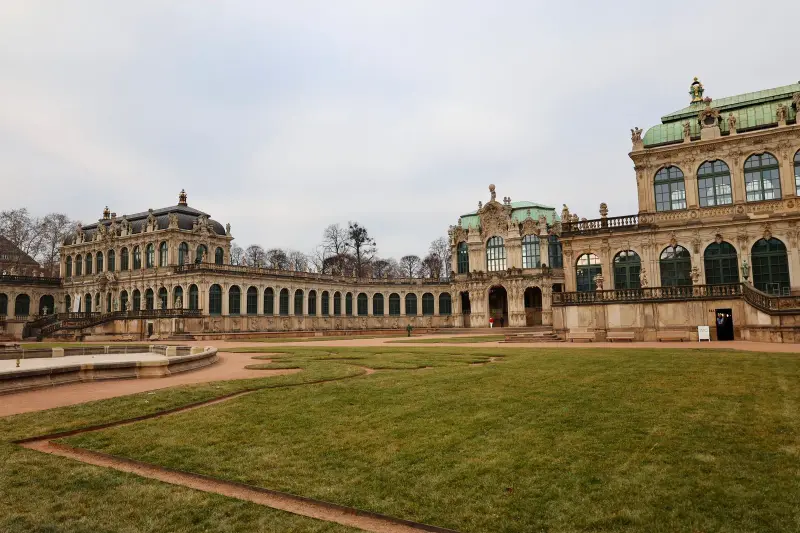
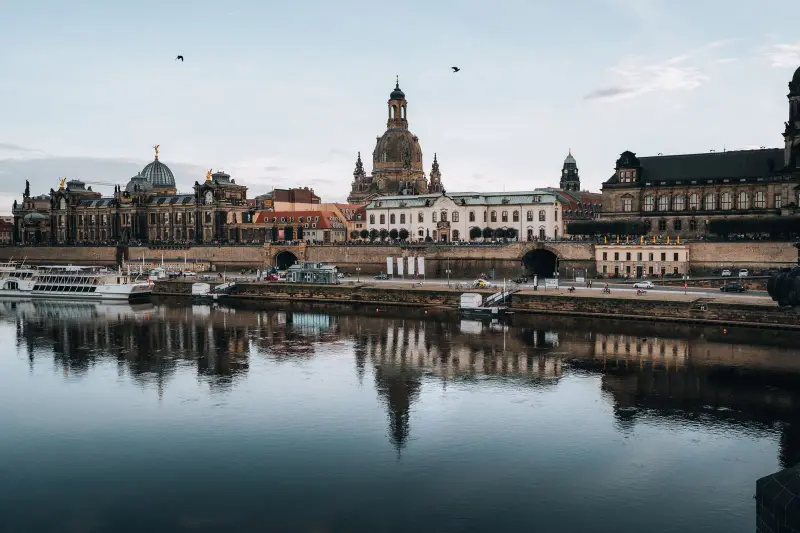
This is Dresden's historic core, home to the Frauenkirche, Zwinger, Semperoper and the Elbe riverfront. Everything is walkable, though it's the busiest and most tourist-focused part of the city.
Neustadt (Inner and Outer)
Just across the Elbe from the Altstadt, the Neustadt is Dresden's bohemian district, packed with bars, independent shops and street art. The Outer Neustadt in particular comes alive after dark.
Striesen
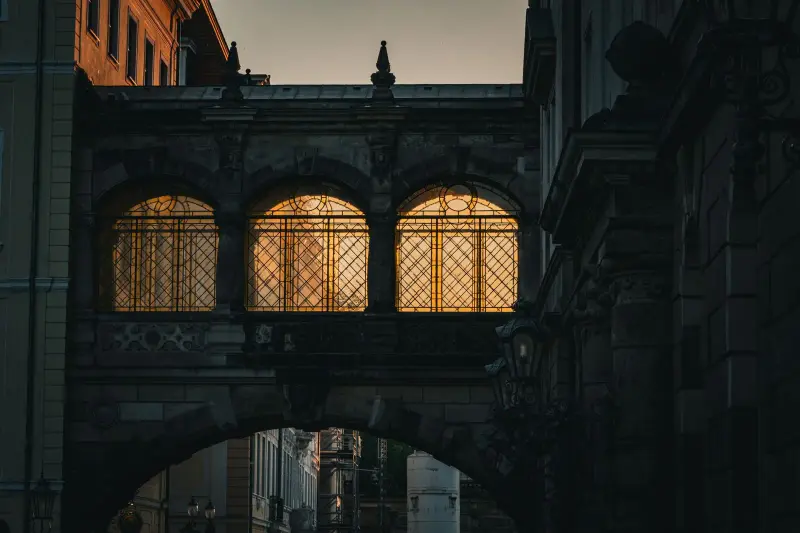
A leafy residential area east of the centre with wide streets and a local, unhurried feel. Trams connect it to the Altstadt in a short ride, making it a calm base away from the crowds.
Blasewitz
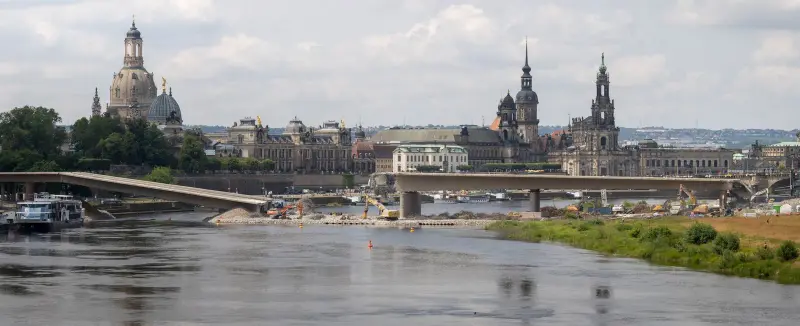
An upscale villa quarter along the Elbe near the Blue Wonder bridge, known for grand old houses and green surroundings. It's peaceful and scenic but further from the main sights.
Hauptbahnhof area (around the main station)
The zone around Dresden's main railway station offers convenient connections and is a short walk or tram ride from the Altstadt. It's practical and central rather than atmospheric.
Friedrichstadt
A workaday district just west of the Altstadt with a more local, everyday character. It's an easy walk or tram hop to the sights while feeling less touristy.
Hotels in Dresden
See live prices and availability for stays in Dresden on a major booking site.

Practical basics
- Getting in
- Dresden (DRS) airport sits north of the city and connects to the centre and Hauptbahnhof by direct S-Bahn train in roughly 20–30 minutes.
- Best time to visit
- Late spring through early autumn offers the mildest weather, while December brings the famous Striezelmarkt Christmas markets to the Altstadt.
- Getting around
- Dresden's tram and bus network is extensive and reliable, and the central sights are compact enough to explore on foot.
Dresden through the year
On our climate rule the best months to visit Dresden are May, June and September. August is the warmest month (average high 25.1 °C) and January the coldest (4.3 °C by day, -1.1 °C at night); January has the most rain days (14 a month) and June the sunniest. Ten-year ERA5 normals via Open-Meteo, 2016–2025.
Read the month-by-month guidePlaces to stay around Dresden
Loads an interactive hotel map from a booking partner, which may set cookies. Privacy · affiliate links
Frequently asked
Is the Altstadt or Neustadt better for a first visit?
Choose the Altstadt if you want to be beside the Frauenkirche and main museums; pick the Neustadt if you prioritise nightlife, cafés and a livelier evening scene while still being a short walk across the river.
Is Dresden walkable from a central base?
Yes — the Altstadt's major sights cluster tightly together, and the Neustadt is just over the Elbe, so a central base lets you cover most highlights on foot.
Where should families stay in Dresden?
Quieter residential districts like Striesen or Blasewitz offer calm streets and green space, with trams giving quick access to the centre when you want the sights.
Pair Dresden with
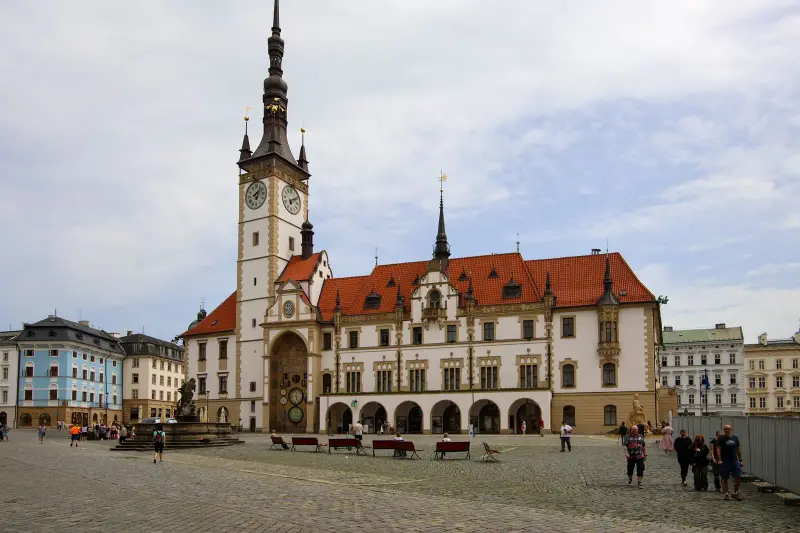
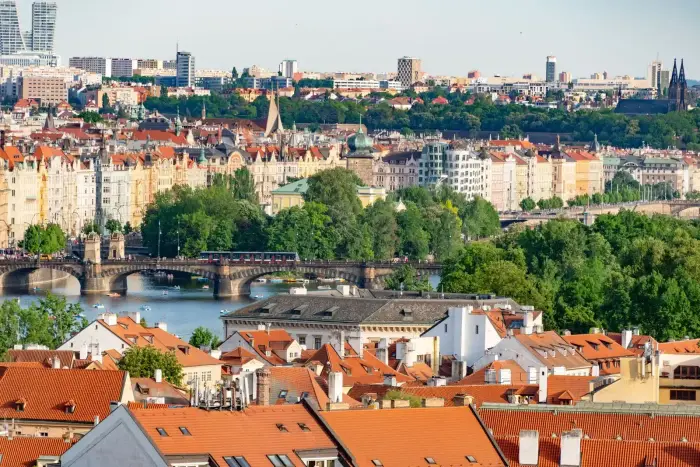
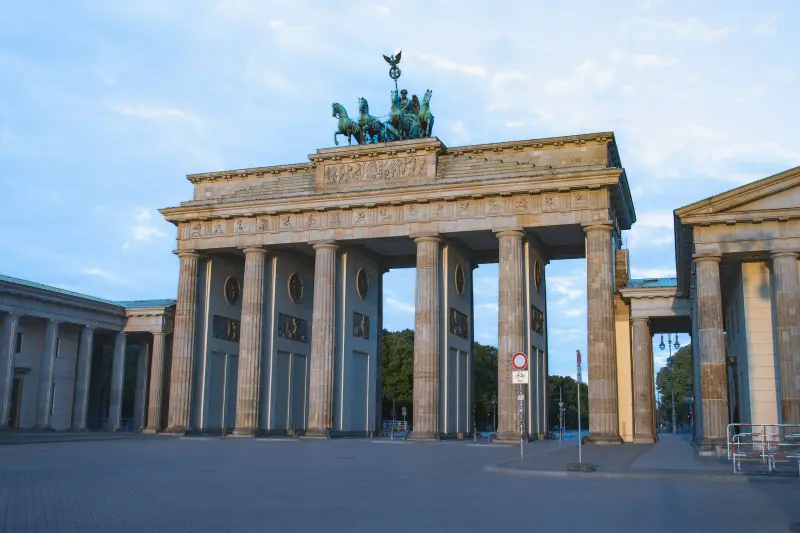
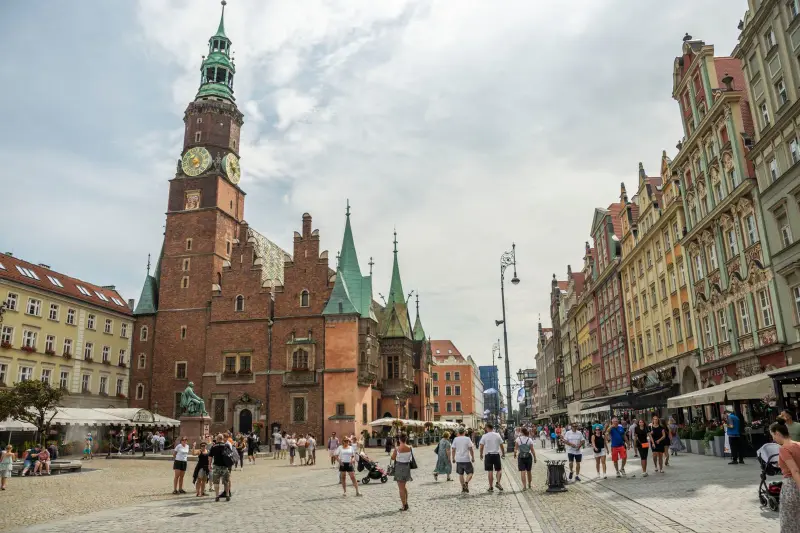
August weather like Dresden, fewer visitors
August is Dresden's busiest month: visitor nights in the region run at 1.4× an average month, with average highs of 25 °C. These cities are as warm in August but less busy then.
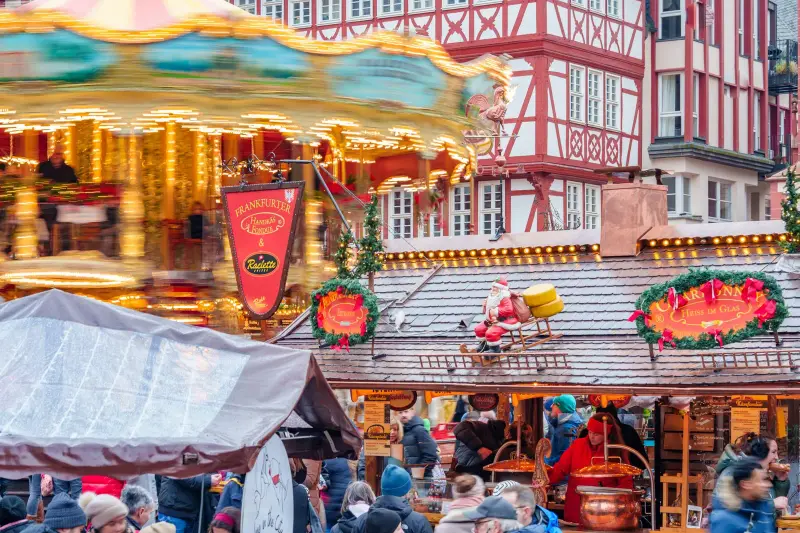 FrankfurtGermany, 372 km away. August: 26 °C, 1.1× an average month (vs 1.4×).
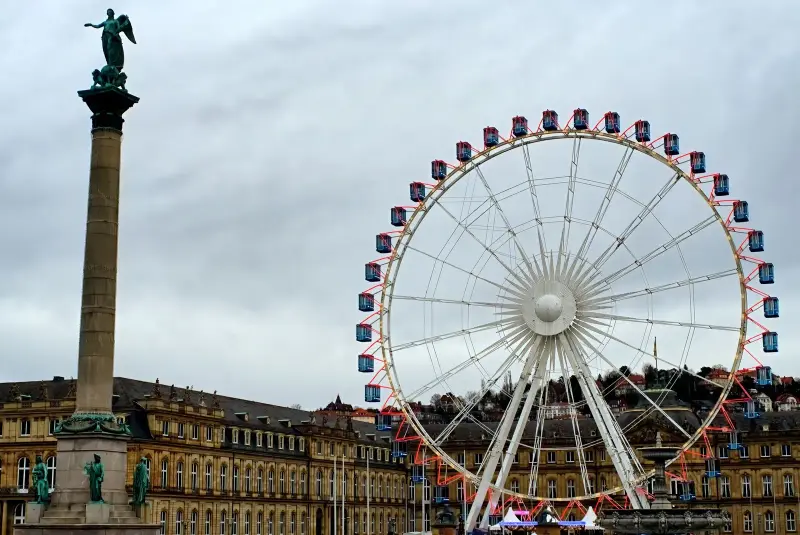 StuttgartGermany, 413 km away. August: 25 °C, 1.1× an average month (vs 1.4×).
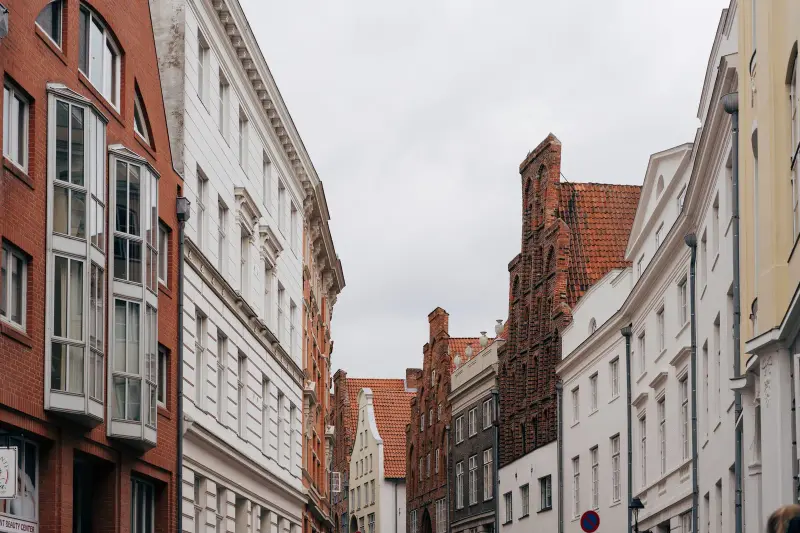 DüsseldorfGermany, 486 km away. August: 24 °C, 1.1× an average month (vs 1.4×).
Crowd levels: Eurostat nights spent at tourist accommodation by region and month, relative to each region's own average month — a measure of season, not of absolute crowding.
What Dresden costs, how busy it gets
- Restaurants and hotels
- Price level 112 in Germany (EU = 100) — 12 % above the EU average. Eurostat price level index, 2024; a country-wide average.
- Everyday costs
- Consumer price level 109 in Germany (EU = 100), 2024.
- Visitors per resident
- 5.6 tourist nights per resident a year in the surrounding region (DED2, 2025) — 8.8 million nights for 1.6 million residents. Eurostat.
Cheapest months to fly to Dresden
| From | Cheapest month | Lowest fare found | Months with data |
|---|---|---|---|
| London | Dec 2026 | €145 | 5 |
| Paris | Feb 2027 | €125 | 9 |
| Berlin | Jan 2027 | €177 | 4 |
| Amsterdam | Nov 2026 | €313 | 1 |
| Stockholm | Nov 2026 | €269 | 1 |
| New York | Dec 2026 | €533 | 2 |
Lowest fares found in recent flight searches (Aviasales), collected 13 November 2026. A guide to price level only — fares change daily and may not be available when you search.
Sources
- Open-Meteo historical weather API — monthly climate normals (ERA5), 2016–2025 (CC BY 4.0)
- ReasonStay methodology — how areas are chosen, measured and checked
An independent guide to where to stay in Dresden. Booking links are affiliate links (how we're funded).