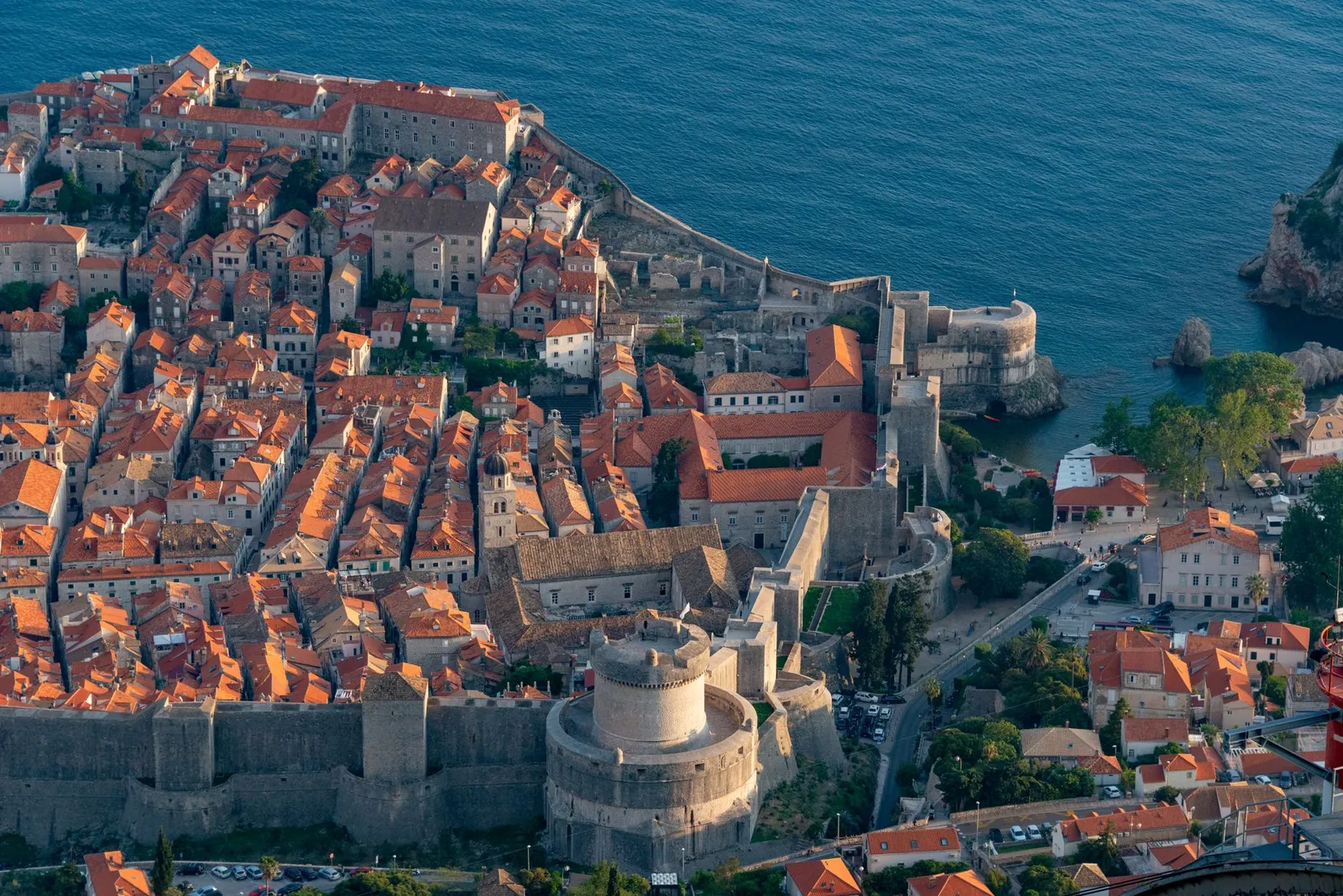
Croatia pairs a dramatic Adriatic coastline with walkable historic cities and inland culture, so the right base depends on the kind of trip you want. For most visitors it comes down to three anchors: Dubrovnik for its walled Old Town, Split for Roman heritage and coastal access, and Zagreb for its café-lined capital energy. Choose the one that matches your pace and priorities, then branch out from there.
Which city in Croatia?
First-timers drawn to postcard scenery tend to start in Dubrovnik, where the Old Town walls, sea views and compact centre deliver the classic Croatia experience, though it can feel busy and prices skew higher. Split strikes a broader balance: Diocletian's Palace puts you inside living Roman history, and its position on the coast makes it a natural launchpad for beaches and island trips, suiting families and travellers who want variety.
Zagreb is the pick for culture and city life away from the coast. Around Ban Jelačić Square you'll find museums, markets, cafés and nightlife, often at gentler prices than the seaside cities. Coast-focused trips lean Dubrovnik or Split; an urban, year-round feel points to Zagreb.
5 cities to choose from
Planning a trip to Croatia
- Getting around
- Croatia's cities are linked by long-distance buses, which are frequent and reach far more places than the limited rail network. Domestic flights connect Zagreb with the coast quickly, useful given the long drive south to Dubrovnik. Driving offers freedom for the coastline and national parks. From Split and Dubrovnik, ferries and catamarans fan out to the islands, making the coast easy to explore by sea.
- Best time to visit
- Summer brings hot, dry weather and the liveliest coastal scene, but also the biggest crowds and highest demand, especially in Dubrovnik and Split. The shoulder seasons of late spring and early autumn are often the sweet spot: warm days, swimmable sea and thinner crowds. Winter is quiet on the coast, with many seasonal businesses closed, though Zagreb stays active year-round and is atmospheric in the colder months.
Croatia: common questions
Which city should I stay in?
For iconic walled-city scenery, choose Dubrovnik. For Roman history plus easy island and beach access, pick Split. For a lively, year-round capital with culture and cafés, base yourself in Zagreb around Ban Jelačić Square.
How many cities can I combine in one trip?
Two is comfortable for a week; three is doable with more time. Split and Dubrovnik pair naturally along the coast, while Zagreb sits inland and is quickest reached by domestic flight or a longer bus journey.
Is Croatia good for a first trip?
Yes. It's straightforward, walkable and rewarding. First-timers often love Dubrovnik's Old Town or use Split as a flexible base for both history and the coast.
Which city is best for families?
Split works well, combining historic sights with nearby beaches and island day trips, giving a mix of activities. Its coastal setting makes it easy to balance culture with downtime.
Independent guides to where to stay in Croatia — chosen on facts and verified before we publish.