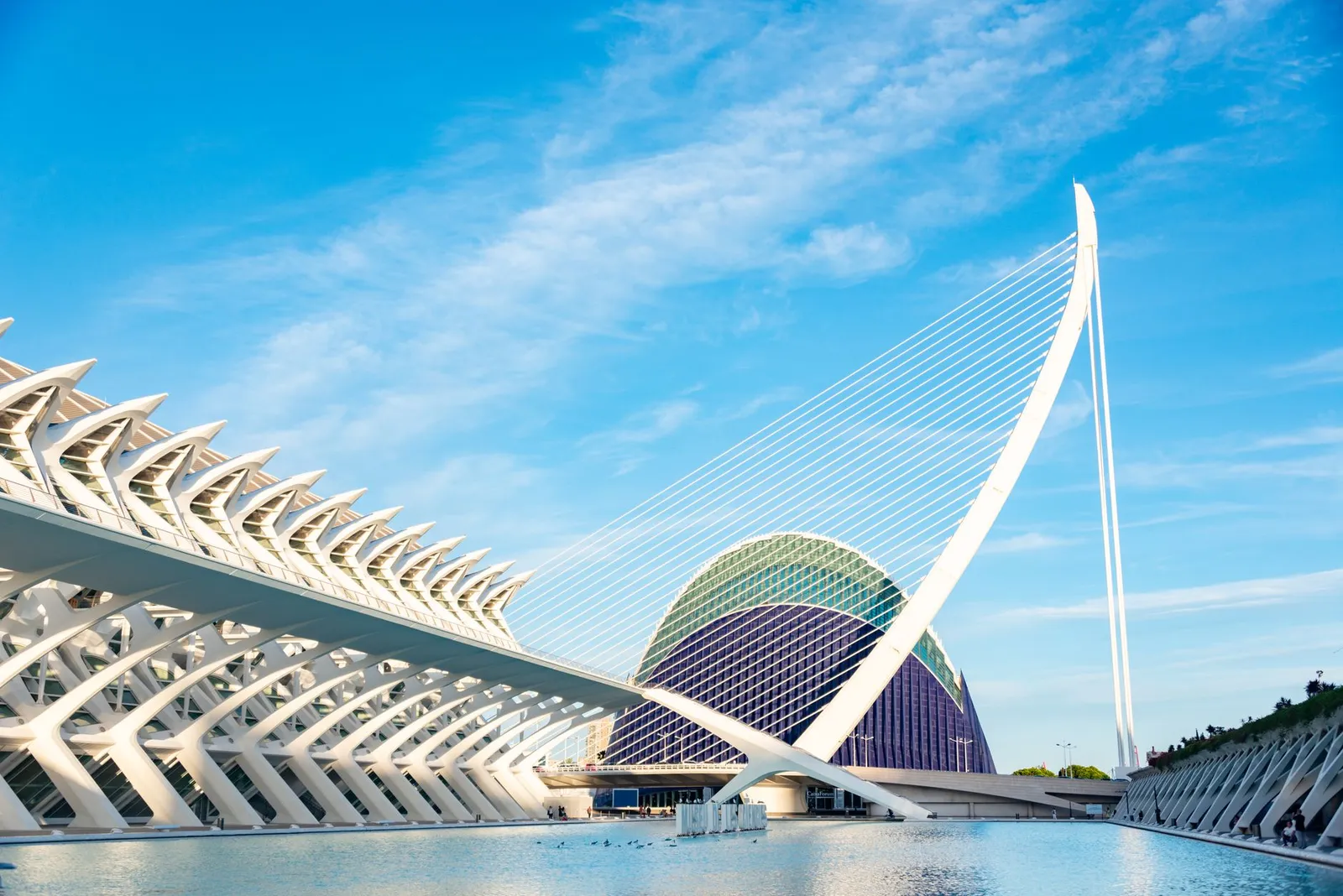
For a first visit, base yourself in Ciutat Vella (the old town) for central, walkable access to the main sights. Ruzafa is the pick for food, cafés and nightlife, while El Cabanyal suits travellers who want the beach on their doorstep. Families and those wanting more room and greenery often prefer the calmer streets near the Turia Gardens and toward the City of Arts and Sciences.
Six areas, six different trips
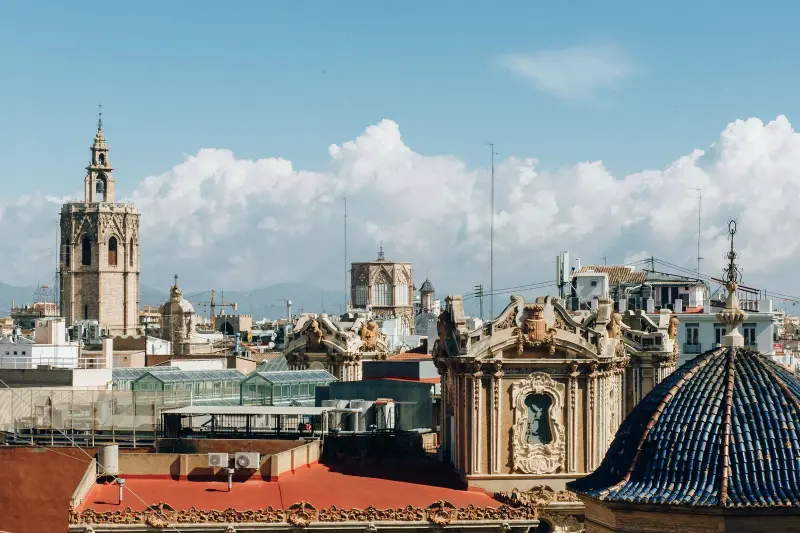
Ciutat Vella (Old Town)
The historic core holding the Cathedral, Central Market and Plaza de la Reina, with most major sights within walking distance. Lively and central, though narrow streets can be noisy at night.
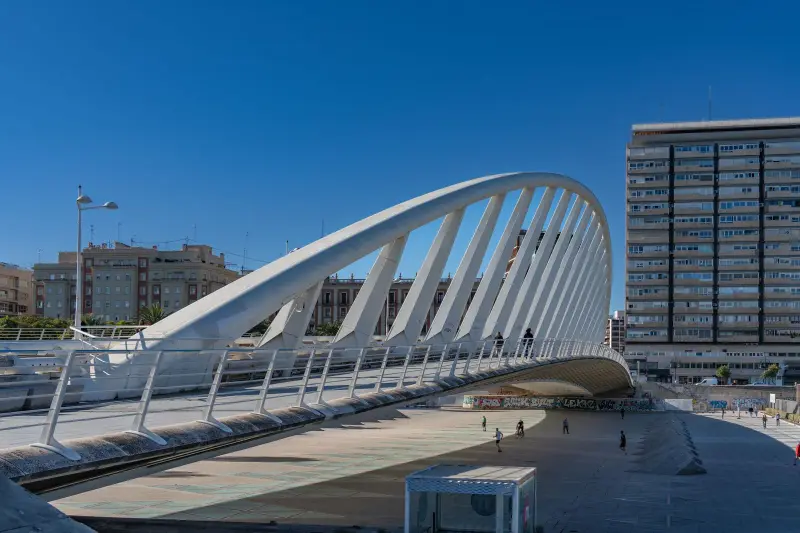
Ruzafa (Russafa)
A trendy, bohemian district packed with restaurants, tapas bars and independent shops just south of the old town. Great atmosphere in the evenings and well connected to the centre on foot or by metro.
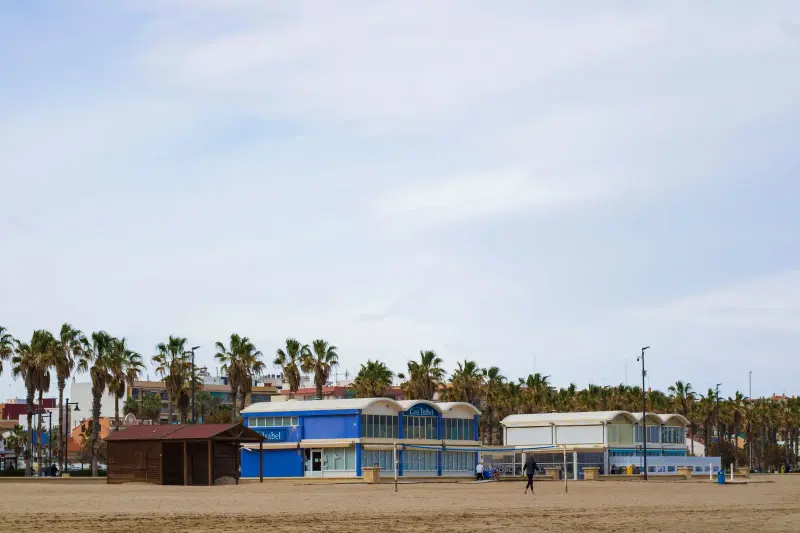
El Cabanyal & the beaches
A historic fishermen's quarter with colourful tiled houses beside Playa de la Malvarrosa and its seafront paella restaurants. Further from the old town but relaxed, with a strong local feel.
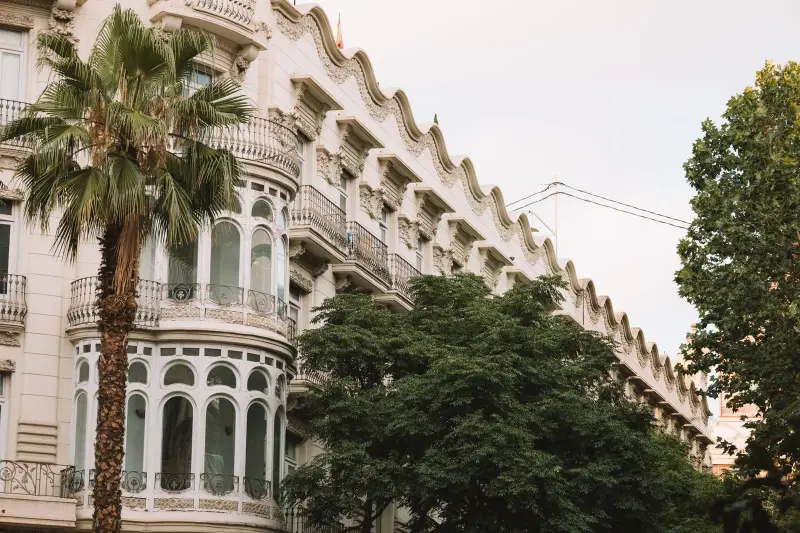
L'Eixample
An elegant grid of wide avenues, shops and modernist buildings between the old town and the City of Arts and Sciences. Quieter and residential while staying close to the action.
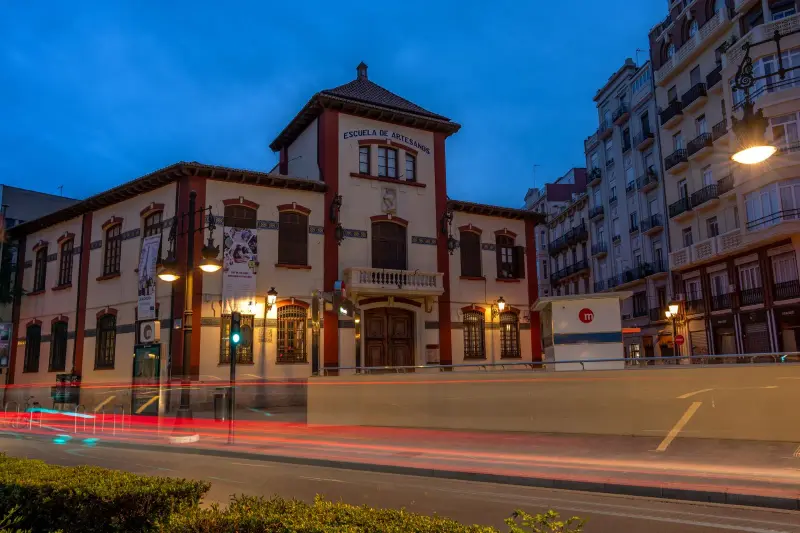
El Carmen
The oldest, most character-filled pocket of the old town, known for street art, medieval lanes and busy bars. Fun and central, but expect noise on weekend nights.
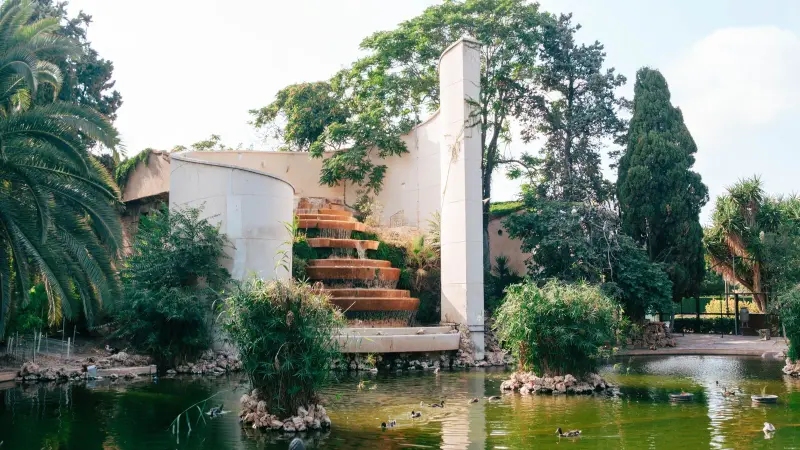
Near the Turia Gardens
Streets bordering the former riverbed park offer running and cycling paths leading straight to the City of Arts and Sciences. A calmer, family-friendly base with easy access across the city.
The areas, measured
Of the 6 areas we cover in Valencia, Ciutat Vella (Old Town) is the most central (about 590 m from the centre) and El Cabanyal & the beaches the farthest out (4.4 km). 3 of the 5 measured areas have a metro, train or tram stop within 500 m of their centre.
| Area | Best for | To City of Arts and Sciences | To centre | Nearest station |
|---|---|---|---|---|
| Ciutat Vella (Old Town) | First-timers and sightseers | — | 590 m | Colón (metro), 700 m |
| Ruzafa (Russafa) | Food, cafés and nightlife | — | 1.1 km | Russafa (tram stop), 300 m |
| El Cabanyal & the beaches | Beach lovers and a slower pace | — | 4.4 km | Cabanyal (tram stop), 100 m |
| L'Eixample | Comfort and easy transport | — | 1.1 km | Russafa (tram stop), 30 m |
| El Carmen | Atmosphere and going out | — | 920 m | Túria (metro), 800 m |
| Near the Turia Gardens | Families and green space | — | — | — |
Straight-line distances from each area's centre, from OpenStreetMap (© OpenStreetMap contributors); walking routes are longer. "—" = not measured yet.
Hotels in Valencia
See live prices and availability for stays in Valencia on a major booking site.
Practical basics
- Getting in
- Valencia (VLC) sits southwest of the city and connects to the centre in around 20–25 minutes by metro lines 3 and 5.
- Best time to visit
- Spring and early autumn bring warm, comfortable weather, while March hosts the famous Las Fallas festival and busy crowds.
- Getting around
- The centre is very walkable, and a clean metro, tram and bus network plus bike lanes cover longer trips to the beach or City of Arts and Sciences.
Valencia through the year
On our climate rule the best months to visit Valencia are April, May, June, September and October. August is the warmest month (average high 30.7 °C) and January the coldest (16.4 °C by day, 7.4 °C at night); March has the most rain days (9 a month) and July the sunniest. Ten-year ERA5 normals via Open-Meteo, 2016–2025.
Read the month-by-month guidePlaces to stay around Valencia
Loads an interactive hotel map from a booking partner, which may set cookies. Privacy · affiliate links
Frequently asked
Which area is best for first-time visitors to Valencia?
Ciutat Vella (Old Town) is the easiest base for first-timers and sightseers, as it holds the Cathedral, Central Market and Plaza de la Reina with most major sights within walking distance. It is lively and central, though the narrow streets can be noisy at night.
Which area is most central and closest to the City of Arts and Sciences?
Ciutat Vella (Old Town) is the most central of the areas we cover, about 590 m from the city centre, while El Cabanyal & the beaches is the farthest out at 4.4 km. For the City of Arts and Sciences, L'Eixample sits between the old town and the complex, and the streets near the Turia Gardens lead straight to it along the former riverbed park.
Which Valencia areas have a metro, train or tram stop nearby?
L'Eixample is closest to transport, with the Russafa tram stop about 30 m from its centre; Ruzafa (Russafa) also has the Russafa tram stop about 300 m away, and El Cabanyal & the beaches has the Cabanyal tram stop about 100 m away. Ciutat Vella's nearest stop is Colón (metro) about 700 m from its centre, and El Carmen's is Túria (metro) about 800 m away (all straight-line).
Where should I stay in Valencia for nightlife, families or the beach?
For food, cafés and nightlife choose Ruzafa (Russafa) or El Carmen, which are packed with bars and have great evening atmosphere. Families and those wanting green space often prefer the calmer streets near the Turia Gardens, while beach lovers should base themselves in El Cabanyal & the beaches beside Playa de la Malvarrosa.
What is the weather like in Valencia, and when is the best time to visit?
The best months to visit are April, May, June, September and October. August is the warmest with an average high of 30.7 °C, January the coldest at 16.4 °C by day and 7.4 °C at night, and March has the most rain days at 9 a month.
Should I stay in Ruzafa or L'Eixample?
Choose Ruzafa (Russafa) for food, cafés and nightlife in a trendy, bohemian district with great evening atmosphere. Pick L'Eixample for comfort and easy transport in a quieter, residential grid of wide avenues; both sit about 1.1 km from the city centre and share the nearby Russafa tram stop.
Pair Valencia with
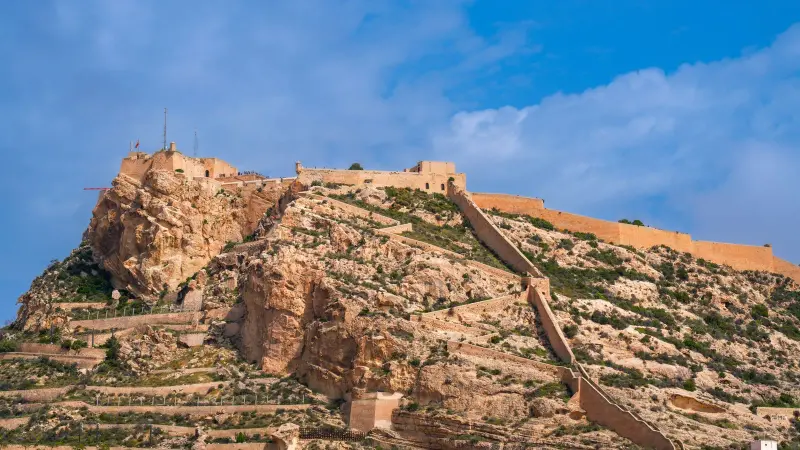
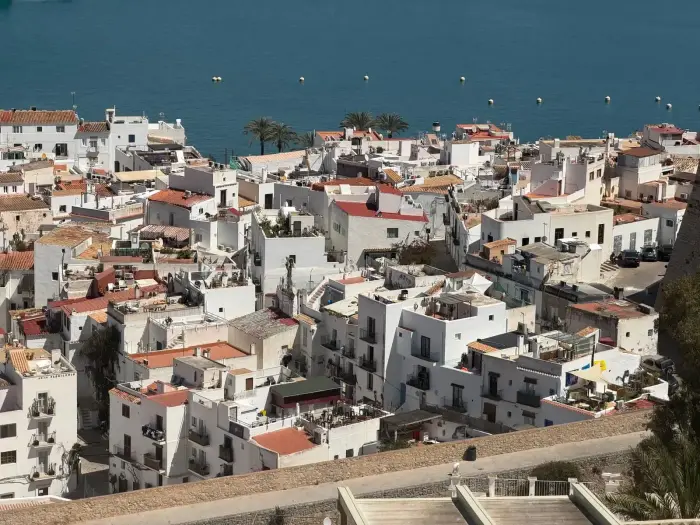
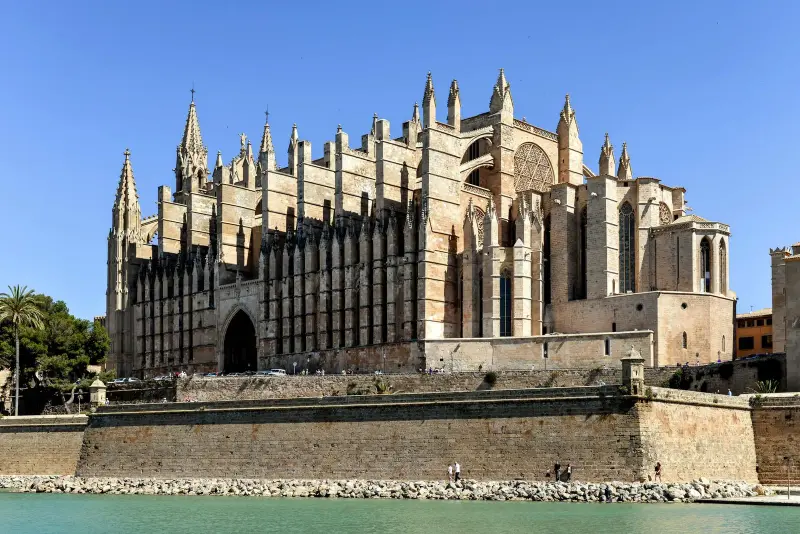
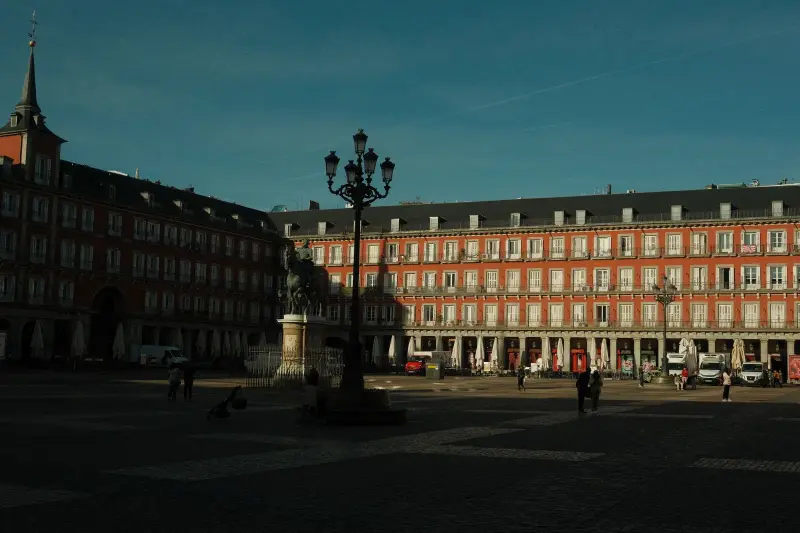
August weather like Valencia, fewer visitors
August is Valencia's busiest month: visitor nights in the region run at 1.8× an average month, with average highs of 31 °C. These cities are as warm in August but less busy then.
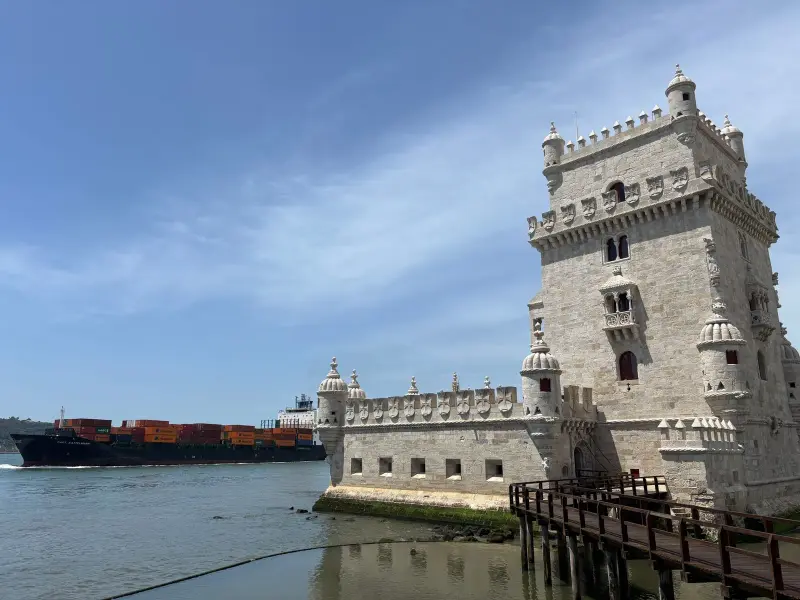 LisbonPortugal, 760 km away. August: 29 °C, 1.5× an average month (vs 1.8×).
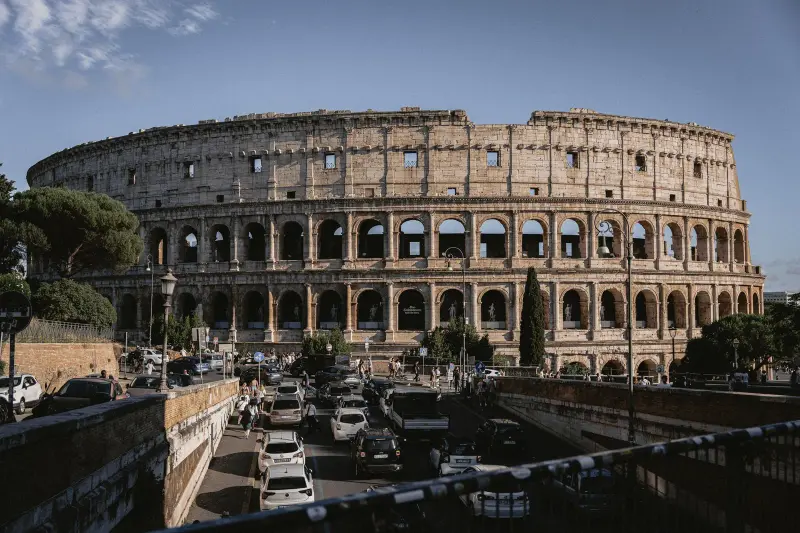 RomeItaly, 1118 km away. August: 33 °C, 1.2× an average month (vs 1.8×).
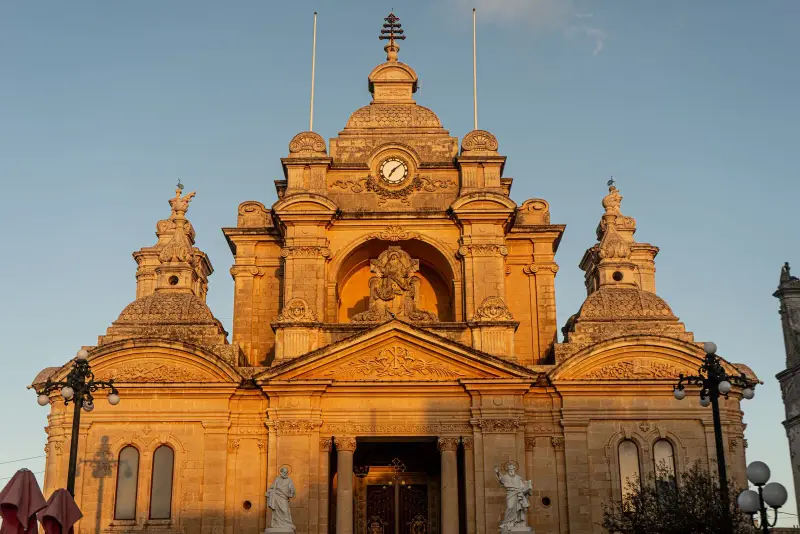 VallettaMalta, 1368 km away. August: 31 °C, 1.4× an average month (vs 1.8×).
Crowd levels: Eurostat nights spent at tourist accommodation by region and month, relative to each region's own average month — a measure of season, not of absolute crowding.
What Valencia costs, how busy it gets
- Restaurants and hotels
- Price level 84 in Spain (EU = 100) — 16 % below the EU average. Eurostat price level index, 2024; a country-wide average.
- Everyday costs
- Consumer price level 91 in Spain (EU = 100), 2024.
- Visitors per resident
- 10.1 tourist nights per resident a year in the surrounding region (ES52, 2025) — 54.7 million nights for 5.4 million residents. Eurostat.
Cheapest months to fly to Valencia
| From | Cheapest month | Lowest fare found | Months with data |
|---|---|---|---|
| London | Dec 2026 | €18 | 7 |
| Paris | Dec 2026 | €23 | 10 |
| Berlin | Dec 2026 | €33 | 11 |
| Amsterdam | Jan 2027 | €66 | 10 |
| Stockholm | Dec 2026 | €46 | 2 |
| New York | Nov 2026 | €279 | 5 |
Lowest fares found in recent flight searches (Aviasales), collected 17 November 2026. A guide to price level only — fares change daily and may not be available when you search.
Valencia is on our lists forWinter sun
Sources
- OpenStreetMap — area locations, distances and nearest stations for 5 of 6 areas (© OpenStreetMap contributors, ODbL)
- Open-Meteo historical weather API — monthly climate normals (ERA5), 2016–2025 (CC BY 4.0)
- ReasonStay methodology — how areas are chosen, measured and checked
An independent guide to where to stay in Valencia. Booking links are affiliate links (how we're funded).