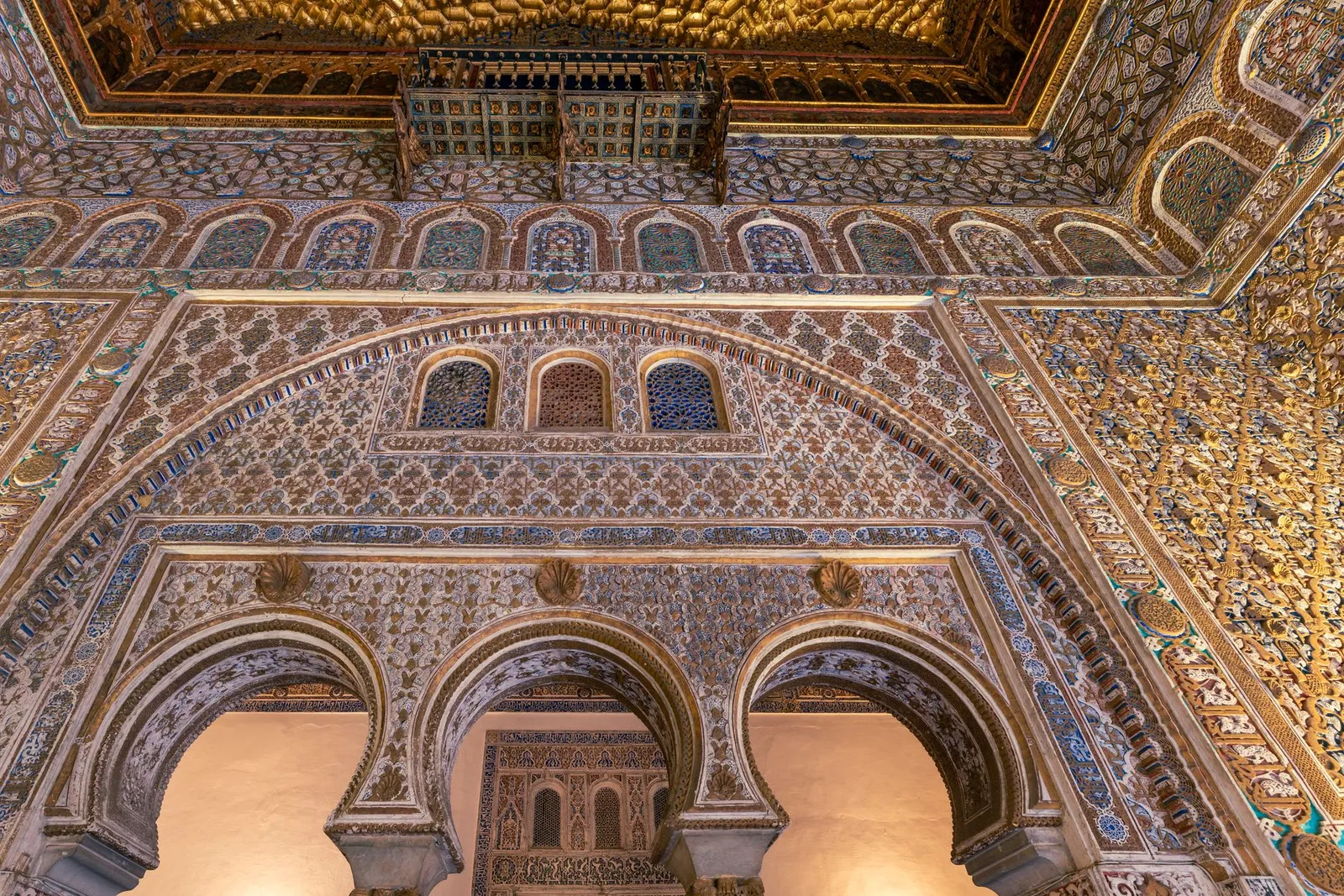
For a first visit, base yourself in the Santa Cruz quarter, the old Jewish district beside the Real Alcázar and cathedral, ideal for first-timers who want everything on foot. Triana, across the river, suits those after local flavour and flamenco atmosphere, while El Arenal offers a central, well-connected base near the bullring. For nightlife and a younger, buzzier scene, head to the Alameda de Hércules area, and families often prefer the quieter, elegant streets around El Centro.
Six areas, six different trips
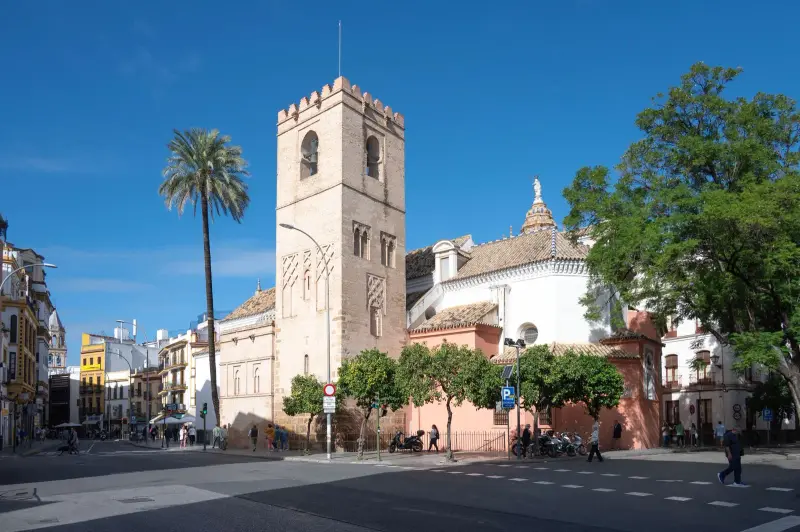
Barrio Santa Cruz
The historic old town wraps around the Real Alcázar and cathedral, with narrow lanes, orange-tree squares and most major sights within walking distance. Charming but can be busy and maze-like.
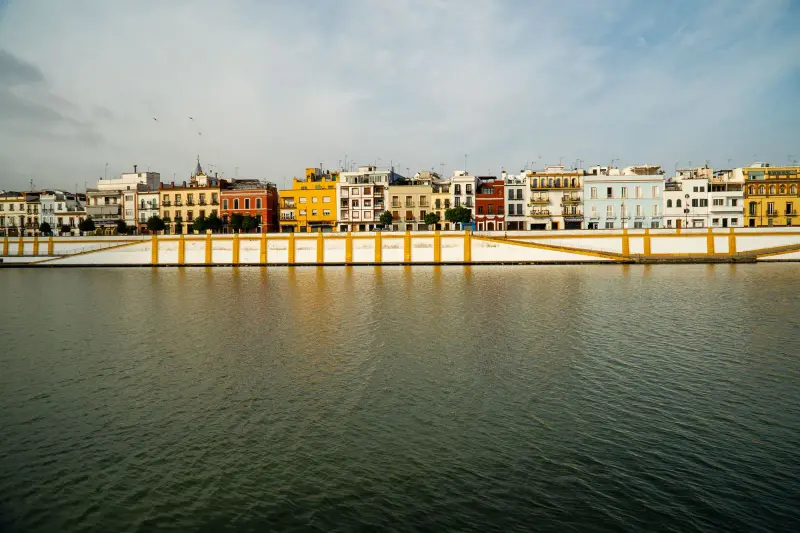
Triana
Across the Guadalquivir river, this traditional barrio is known for ceramics, tapas bars and flamenco roots, with a lively market and a short walk over the bridge into the centre.
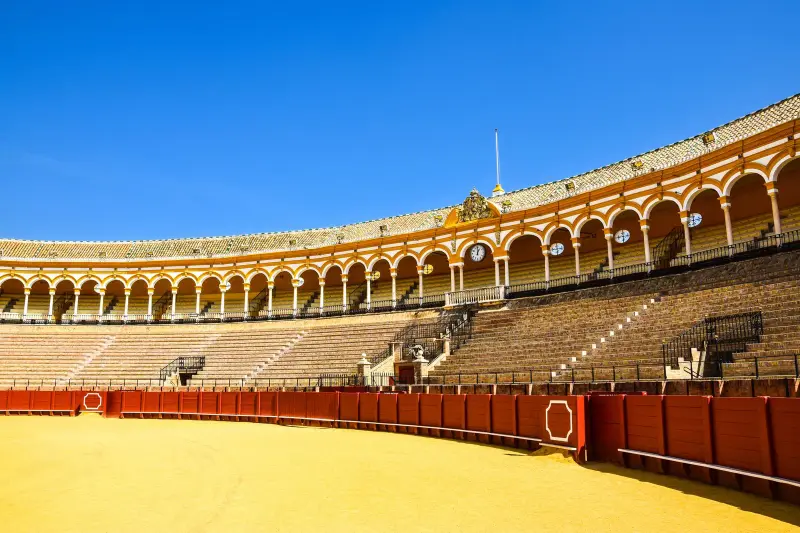
El Arenal
Between the cathedral and the river near the Maestranza bullring, it's central and well connected while feeling a little less touristy than Santa Cruz.
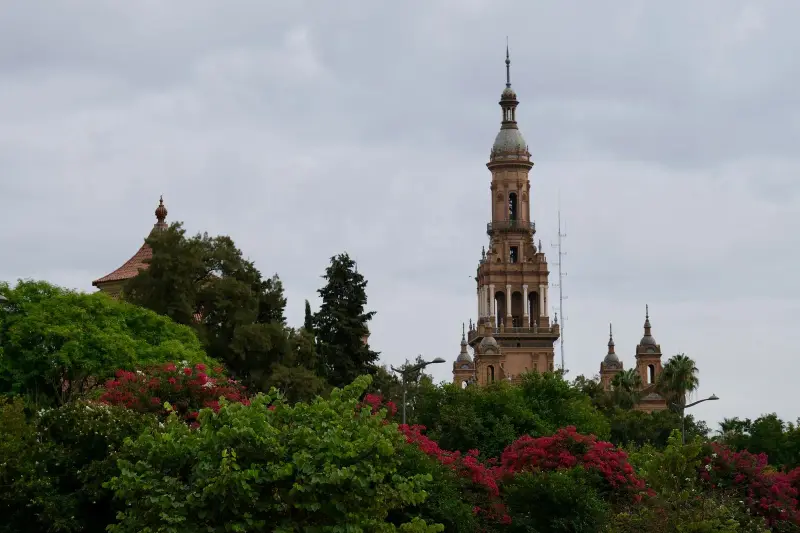
Alameda de Hércules
A leafy boulevard north of the centre lined with bars, cafés and live music, popular in the evenings and a bit more bohemian than the old town.
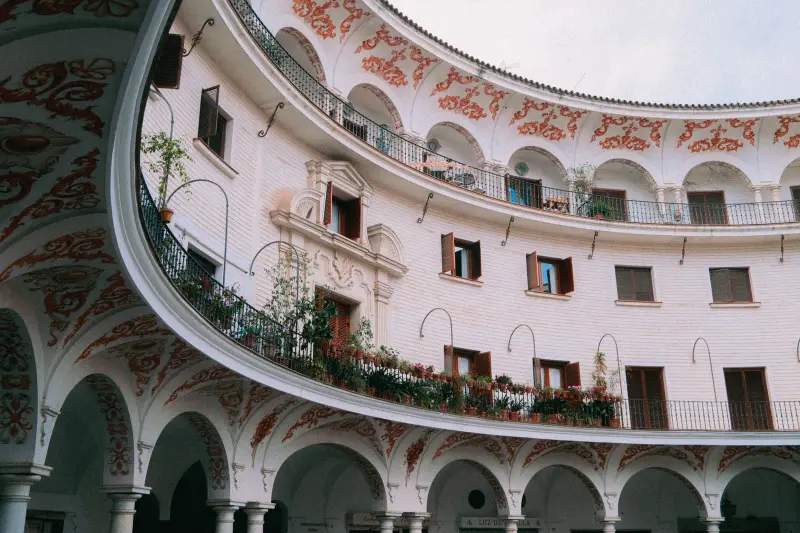
El Centro
The commercial heart around Plaza Nueva and Calle Sierpes has grand squares, shopping and easy access to the main sights, with a calmer feel on residential streets.
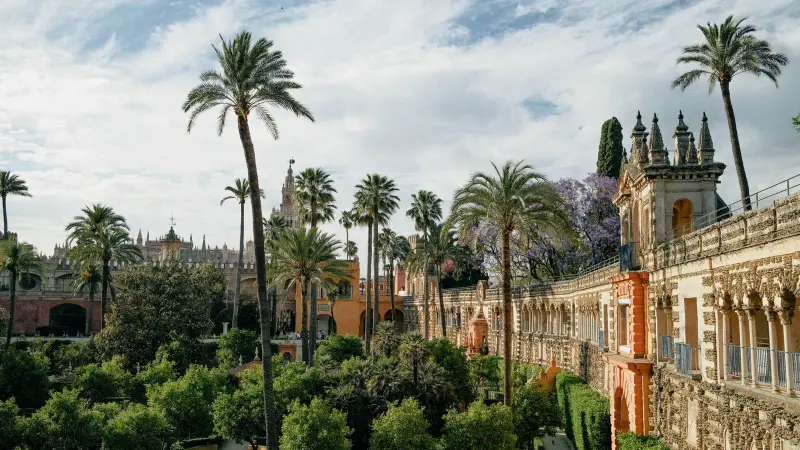
Nervión / Santa Justa
A modern district east of the centre near Santa Justa station, more everyday and less scenic but well connected by tram and metro for value-focused stays.
The areas, measured
Of the 6 areas we cover in Seville, Barrio Santa Cruz is the most central (about 440 m from the centre) and El Centro the farthest out (2.4 km). Barrio Santa Cruz is nearest Real Alcázar at 360 m (about 4 min on foot); Nervión / Santa Justa is 2.0 km away. 3 of the 6 measured areas have a metro, train or tram stop within 500 m of their centre.
| Area | Best for | To Real Alcázar | To centre | Nearest station |
|---|---|---|---|---|
| Barrio Santa Cruz | First-time visitors and sightseers | 360 m · 4 min walk | 440 m | Archivo de Indias (tram stop), 250 m |
| Triana | Atmosphere, flamenco and local life | 1.2 km · 15 min walk | 1.4 km | Plaza de Cuba (metro), 630 m |
| El Arenal | Convenience and a central, walkable base | 710 m · 9 min walk | 720 m | Plaza Nueva (tram stop), 240 m |
| Alameda de Hércules | Nightlife and a younger crowd | 1.6 km · 20 min walk | 870 m | none within 1.5 km |
| El Centro | Families and shoppers wanting elegant streets | 1.7 km · 22 min walk | 2.4 km | Virgen del Rocío (train station), 870 m |
| Nervión / Santa Justa | Budget-minded travellers and rail arrivals | 2.0 km · 25 min walk | 1.9 km | Luis Morales (tram stop), 480 m |
Straight-line distances from each area's centre, from OpenStreetMap (© OpenStreetMap contributors); walking routes are longer. "—" = not measured yet.
Hotels in Seville
See live prices and availability for stays in Seville on a major booking site.

Practical basics
- Getting in
- Seville (SVQ) sits east of the city, with an airport bus and taxis running to the centre in roughly 30–40 minutes.
- Best time to visit
- Spring and autumn are most comfortable, as summer heat can be intense and midday sightseeing tiring.
- Getting around
- The historic core is compact and best explored on foot, with a tram, metro line and buses covering longer distances.
Seville through the year
On our climate rule the best months to visit Seville are March, April, May, October and November. August is the warmest month (average high 37.1 °C) and January the coldest (15.9 °C by day, 6.8 °C at night); March has the most rain days (10 a month) and June the sunniest. Ten-year ERA5 normals via Open-Meteo, 2016–2025.
Read the month-by-month guidePlaces to stay around Seville
Loads an interactive hotel map from a booking partner, which may set cookies. Privacy · affiliate links
Frequently asked
Where should I stay in Seville for a first visit?
Barrio Santa Cruz, the old Jewish district beside the Real Alcázar and cathedral, is the classic first-timer base, with narrow lanes, orange-tree squares and most major sights within walking distance. It's the most central of the areas we cover, about 440 m from the centre.
Which area is closest to the Real Alcázar and most central?
Barrio Santa Cruz is nearest the Real Alcázar at about 360 m (around 4 min on foot) and the most central area at about 440 m from the city centre. El Arenal is also close, about 710 m from the Real Alcázar (around 9 min on foot).
Which Seville areas have a metro, train or tram stop nearby?
Three of the six areas have a stop within 500 m of their centre: Barrio Santa Cruz is about 250 m from the Archivo de Indias tram stop, El Arenal about 240 m from the Plaza Nueva tram stop, and Nervión / Santa Justa about 480 m from the Luis Morales tram stop. Triana is about 630 m from the Plaza de Cuba metro stop, and El Centro about 870 m from Virgen del Rocío train station.
Where should I stay in Seville for nightlife or on a budget?
For nightlife and a younger crowd, Alameda de Hércules is a leafy boulevard north of the centre lined with bars, cafés and live music. Budget-minded travellers and rail arrivals often choose Nervión / Santa Justa, a modern district near Santa Justa station that's well connected by tram and metro.
When is the best time to visit Seville and what's the weather like?
The best months are March, April, May, October and November. August is the warmest month with an average high of 37.1 °C, while January is the coldest at 15.9 °C by day and 6.8 °C at night; March has the most rain days at 10 a month.
Should I stay in Barrio Santa Cruz or Triana?
Barrio Santa Cruz puts you right among the old-town sights, about 360 m from the Real Alcázar, but it can be busy and maze-like. Triana, across the Guadalquivir, is about 1.2 km from the Real Alcázar (around 15 min on foot) and suits those after local flavour, ceramics, tapas and flamenco atmosphere.
Hotels in Seville, by what matters to you
Pair Seville with
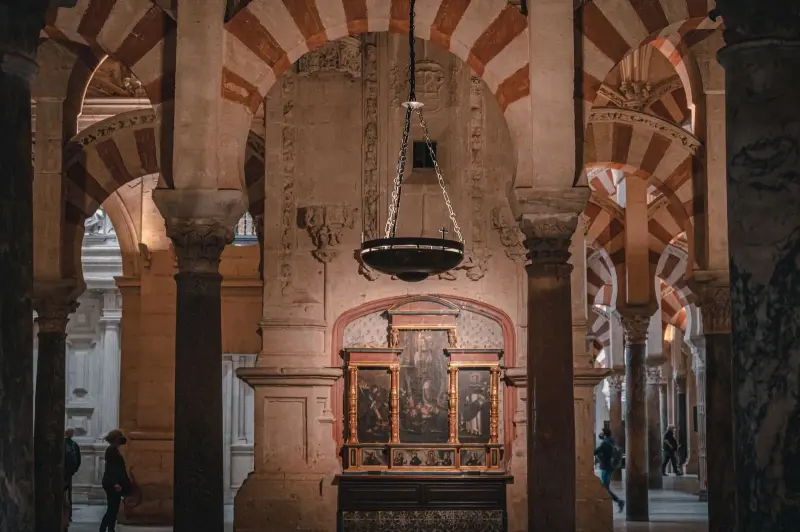


What Seville costs, how busy it gets
- Restaurants and hotels
- Price level 84 in Spain (EU = 100) — 16 % below the EU average. Eurostat price level index, 2024; a country-wide average.
- Everyday costs
- Consumer price level 91 in Spain (EU = 100), 2024.
- Visitors per resident
- 9 tourist nights per resident a year in the surrounding region (ES61, 2025) — 77.9 million nights for 8.7 million residents. Eurostat.
Cheapest months to fly to Seville
| From | Cheapest month | Lowest fare found | Months with data |
|---|---|---|---|
| London | Jan 2027 | €25 | 9 |
| Paris | Jan 2027 | €20 | 7 |
| Berlin | Dec 2026 | €44 | 7 |
| Amsterdam | Feb 2027 | €80 | 6 |
| Stockholm | Dec 2026 | €50 | 5 |
| New York | Nov 2026 | €239 | 4 |
Lowest fares found in recent flight searches (Aviasales), collected 15 November 2026. A guide to price level only — fares change daily and may not be available when you search.
Seville is on our lists forWinter sunSmall & quietBoutique
Sources
- OpenStreetMap — area locations, distances and nearest stations for 6 of 6 areas (© OpenStreetMap contributors, ODbL)
- Open-Meteo historical weather API — monthly climate normals (ERA5), 2016–2025 (CC BY 4.0)
- ReasonStay methodology — how areas are chosen, measured and checked
An independent guide to where to stay in Seville. Booking links are affiliate links (how we're funded).