
First-time visitors to Porto usually base themselves in the Ribeira or Baixa (the central downtown) for easy access to the riverside, main sights and restaurants. Cedofeita and Bombarda suit those after a creative, independent scene with galleries and cafés, while Vila Nova de Gaia across the river appeals to wine lovers and anyone wanting river views. Foz do Douro is quieter and coastal, better for a relaxed, seaside-leaning stay.
Six areas, six different trips
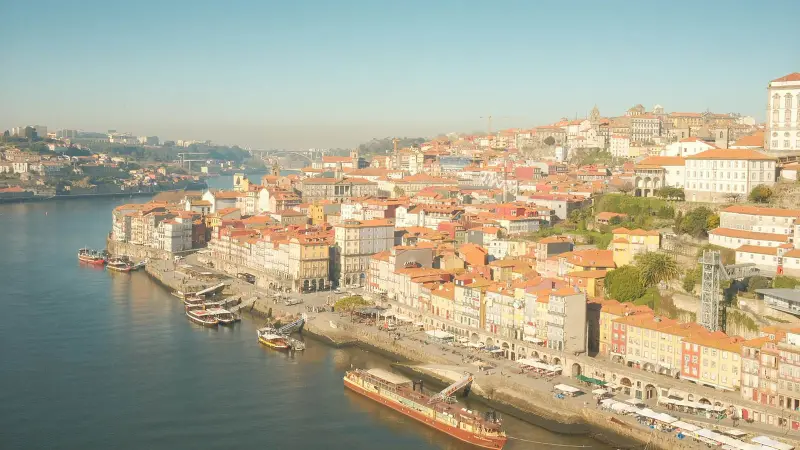
Ribeira
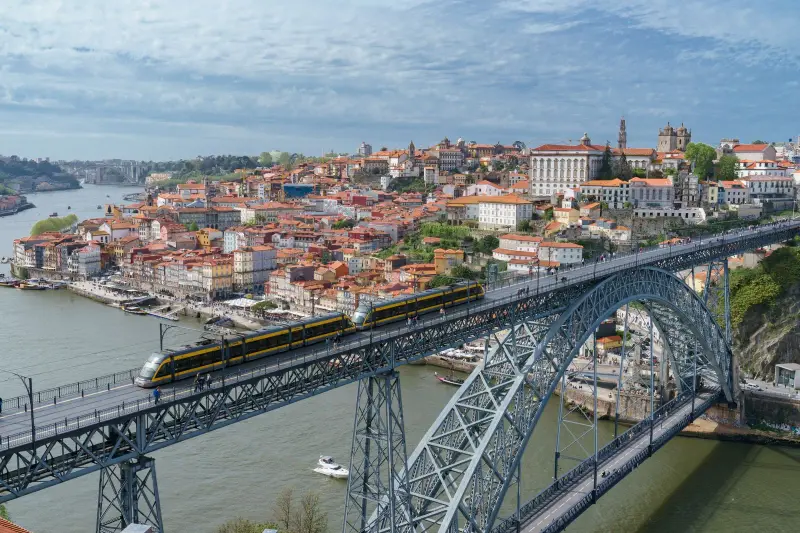
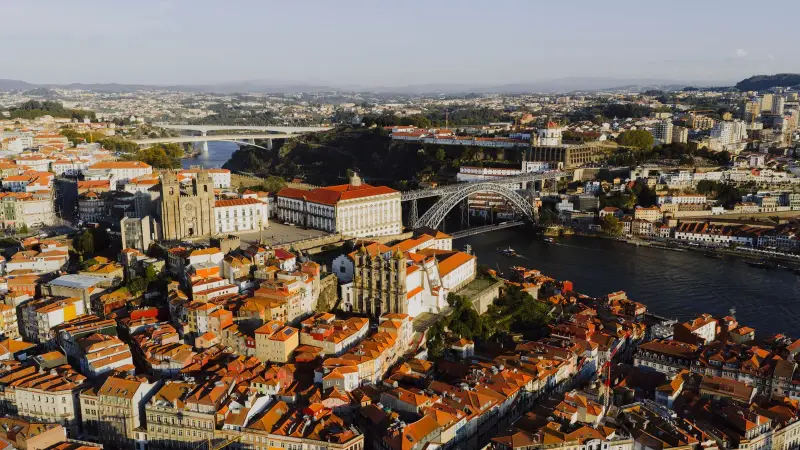
Porto's iconic riverside district on the banks of the Douro, with medieval lanes, colourful facades and the Dom Luís I bridge nearby. Atmospheric and central but hilly, busy and touristy in peak season.
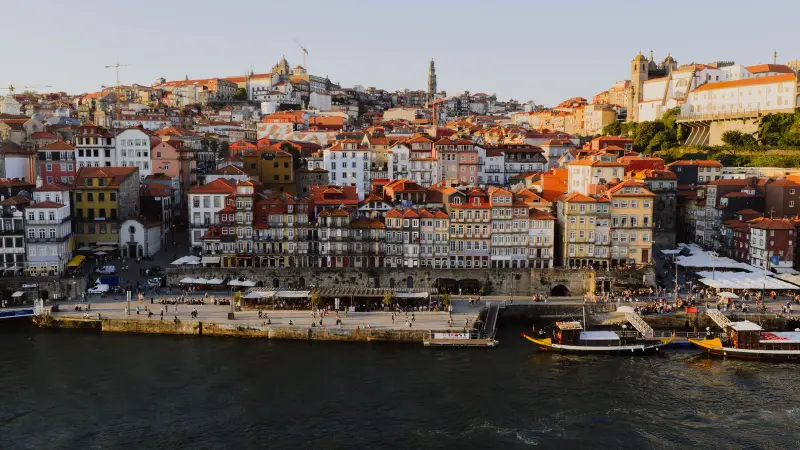
Baixa (Downtown)
The commercial heart around Avenida dos Aliados and São Bento station, well connected by metro and walkable to most major sights. A lively, practical base with shops, cafés and nightlife close at hand.
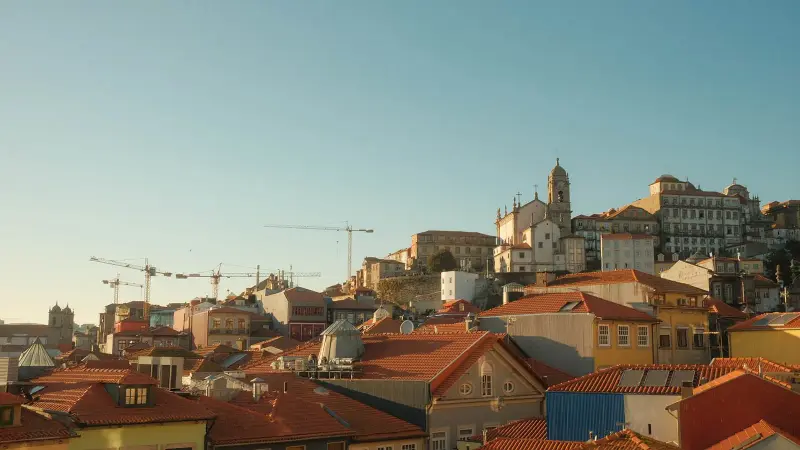
Cedofeita & Bombarda
An arty inner-city area known for galleries, design shops, bookstores and casual dining along Rua de Miguel Bombarda. Central yet a little calmer, popular with a younger and local crowd.
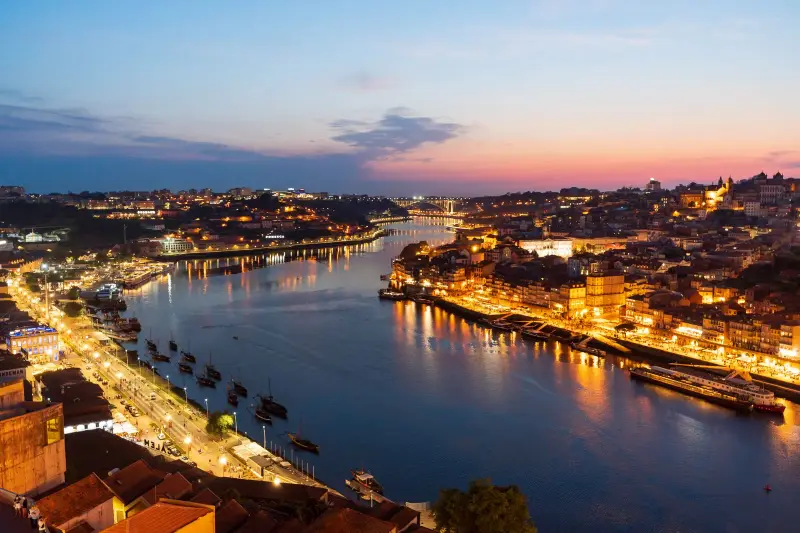
Vila Nova de Gaia
Across the Douro from the Ribeira, home to the historic port wine cellars and lodges along the waterfront. Offers some of the best views back toward old Porto and easy access via the lower deck of the Dom Luís I bridge.
Foz do Douro
Where the river meets the Atlantic, with promenades, beaches and a residential, upscale feel. Relaxed and scenic but further from the historic centre, so expect to rely on transport.
Boavista
A more contemporary district around the Casa da Música concert hall, with wide avenues and shopping. Well connected by metro and quieter than the old town, suiting travellers who prefer a modern setting.
The areas, measured
Of the 6 areas we cover in Porto, Baixa (Downtown) is the most central (about 130 m from the centre) and Foz do Douro the farthest out (5.0 km). Ribeira is nearest Ribeira at 0 m (about 1 min on foot); Foz do Douro is 4.9 km away. 5 of the 6 measured areas have a metro, train or tram stop within 500 m of their centre.
| Area | Best for | To Ribeira | To centre | Nearest station |
|---|---|---|---|---|
| Ribeira | First-timers and sightseers | 0 m · 1 min walk | 1.1 km | Ribeira (train station), 260 m |
| Baixa (Downtown) | Convenience and transport | 1.2 km · 15 min walk | 130 m | Trindade (light rail), 160 m |
| Cedofeita & Bombarda | Independent and creative travellers | 1.3 km · 16 min walk | 610 m | Guilherme Gomes Fernandes (tram stop), 500 m |
| Vila Nova de Gaia | Wine lovers and river views | 1.4 km · 17 min walk | 2.3 km | Câmara Gaia (light rail), 60 m |
| Foz do Douro | A quieter, coastal stay | 4.9 km | 5.0 km | Passeio Alegre (tram stop), 370 m |
| Boavista | Business and modern comforts | 2.8 km · 35 min walk | 2.5 km | Francos (light rail), 880 m |
Straight-line distances from each area's centre, from OpenStreetMap (© OpenStreetMap contributors); walking routes are longer. "—" = not measured yet.
Hotels in Porto
See live prices and availability for stays in Porto on a major booking site.

Practical basics
- Getting in
- Francisco Sá Carneiro (OPO) connects to the city centre via the metro's Violet (E) line, plus taxis and ride-hailing for a direct trip.
- Best time to visit
- Late spring and early autumn offer mild weather and thinner crowds than the busy summer months.
- Getting around
- The compact centre is walkable (though hilly), and the metro, buses and trams cover longer distances easily.
Porto through the year
On our climate rule the best months to visit Porto are May, June and September. August is the warmest month (average high 24.8 °C) and January the coldest (13.6 °C by day, 7.5 °C at night); March has the most rain days (15 a month) and July the sunniest. Ten-year ERA5 normals via Open-Meteo, 2016–2025.
Read the month-by-month guidePlaces to stay around Porto
Loads an interactive hotel map from a booking partner, which may set cookies. Privacy · affiliate links
Frequently asked
Where should first-time visitors stay in Porto?
Ribeira is best for first-timers and sightseers, sitting right on the Douro among medieval lanes and colourful facades near the Dom Luís I bridge, though it is hilly and busy in peak season. Baixa (Downtown) is another good central base, well connected and walkable to most major sights.
Which Porto area is most central and closest to Ribeira?
Baixa (Downtown) is the most central area, about 130 m from the city centre. Ribeira itself is 0 m from Ribeira (about 1 min on foot), making it the closest of the areas we cover to the riverside.
Which areas in Porto have a metro, train or tram stop nearby?
Five of the six areas we cover have a stop within 500 m of their centre: Baixa (Downtown) is 160 m from Trindade (light rail), Vila Nova de Gaia 60 m from Câmara Gaia (light rail), Ribeira 260 m from Ribeira (train station), Foz do Douro 370 m from Passeio Alegre (tram stop) and Cedofeita & Bombarda 500 m from Guilherme Gomes Fernandes (tram stop). Boavista is 880 m from Francos (light rail).
Where should I stay in Porto for a quiet, coastal trip?
Foz do Douro is best for a quieter, coastal stay, where the river meets the Atlantic with promenades and beaches. It is farther out at 5.0 km from the city centre and 4.9 km from Ribeira, so expect to rely on transport.
When is the best time to visit Porto and what is the weather like?
The best months to visit are May, June and September. May averages a high of 20.0 °C with 10 rain days, June 21.7 °C with 8 rain days, and September 23.4 °C with 6 rain days; August is the warmest at an average high of 24.8 °C.
Should I stay in Porto or Vila Nova de Gaia?
Stay in Ribeira or Baixa for sightseeing convenience near the riverside and main sights. Choose Vila Nova de Gaia, 1.4 km from Ribeira (about 17 min on foot), if you want the port wine cellars on your doorstep and the best views back toward old Porto.
Pair Porto with
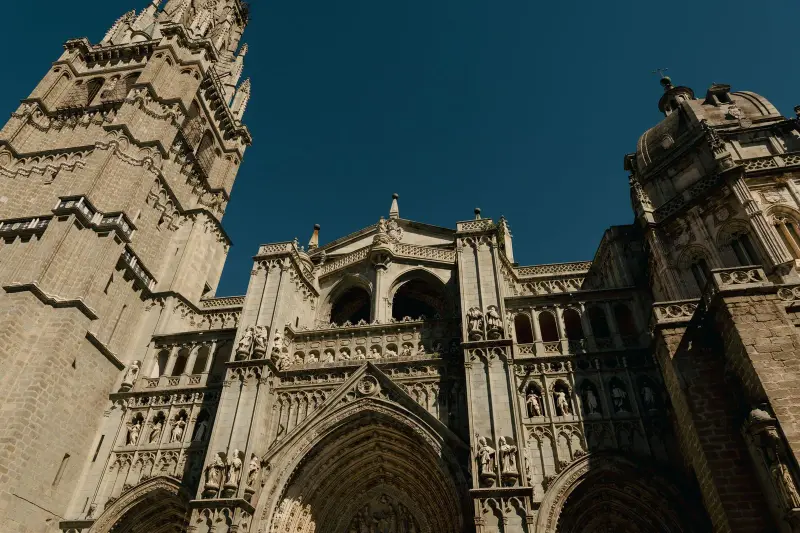
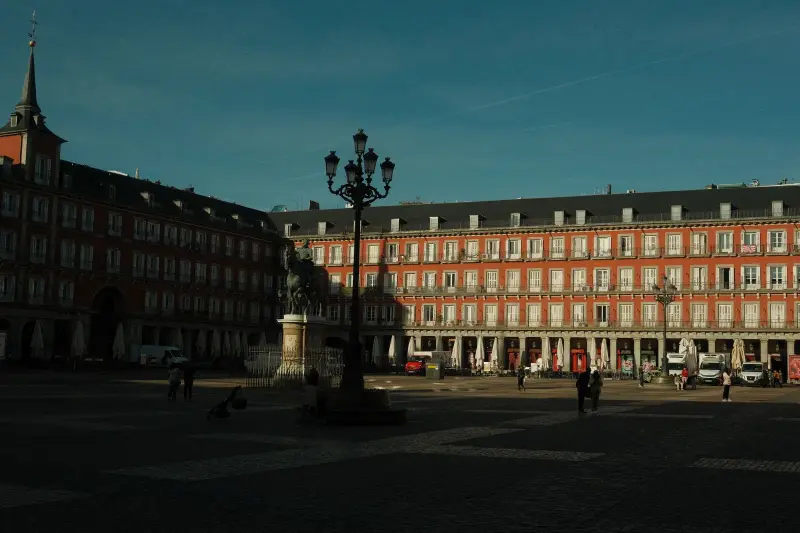
August weather like Porto, fewer visitors
August is Porto's busiest month: visitor nights in the region run at 1.7× an average month, with average highs of 25 °C. These cities are as warm in August but less busy then.
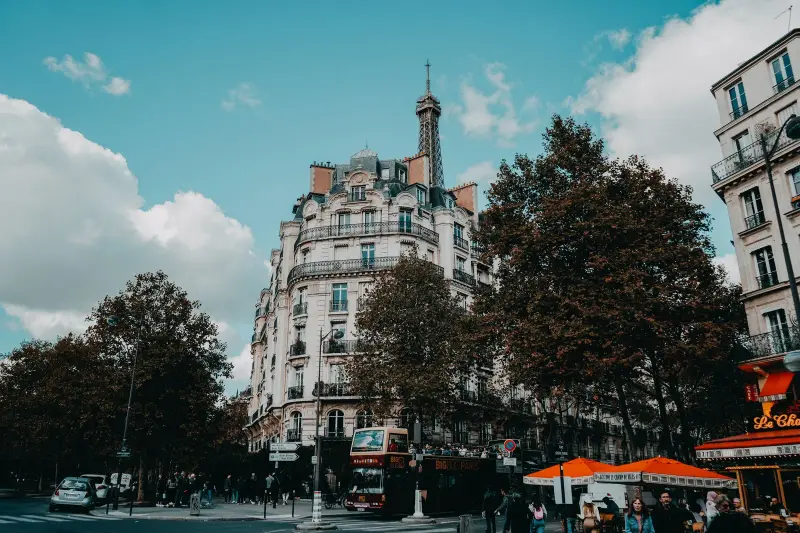 ParisFrance, 1213 km away. August: 26 °C, 1.1× an average month (vs 1.7×).
 LanzaroteSpain, 1425 km away. August: 26 °C, 1.2× an average month (vs 1.7×).
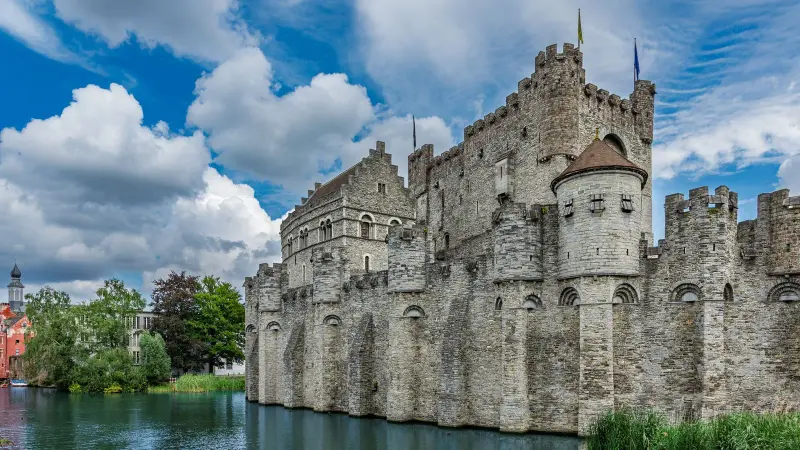 GhentBelgium, 1451 km away. August: 24 °C, 1.4× an average month (vs 1.7×).
Crowd levels: Eurostat nights spent at tourist accommodation by region and month, relative to each region's own average month — a measure of season, not of absolute crowding.
What Porto costs, how busy it gets
- Restaurants and hotels
- Price level 76 in Portugal (EU = 100) — 25 % below the EU average. Eurostat price level index, 2024; a country-wide average.
- Everyday costs
- Consumer price level 85 in Portugal (EU = 100), 2024.
- Visitors per resident
- 4.2 tourist nights per resident a year in the surrounding region (PT11, 2025) — 15.8 million nights for 3.8 million residents. Eurostat.
Cheapest months to fly to Porto
| From | Cheapest month | Lowest fare found | Months with data |
|---|---|---|---|
| London | Jan 2027 | €26 | 8 |
| Paris | Jan 2027 | €21 | 12 |
| Berlin | Nov 2026 | €50 | 9 |
| Amsterdam | Dec 2026 | €57 | 9 |
| Stockholm | Nov 2026 | €24 | 7 |
| New York | Nov 2026 | €198 | 6 |
Lowest fares found in recent flight searches (Aviasales), collected 15 November 2026. A guide to price level only — fares change daily and may not be available when you search.
Porto is on our lists forUltra-luxury
Sources
- OpenStreetMap — area locations, distances and nearest stations for 6 of 6 areas (© OpenStreetMap contributors, ODbL)
- Open-Meteo historical weather API — monthly climate normals (ERA5), 2016–2025 (CC BY 4.0)
- ReasonStay methodology — how areas are chosen, measured and checked
An independent guide to where to stay in Porto. Booking links are affiliate links (how we're funded).