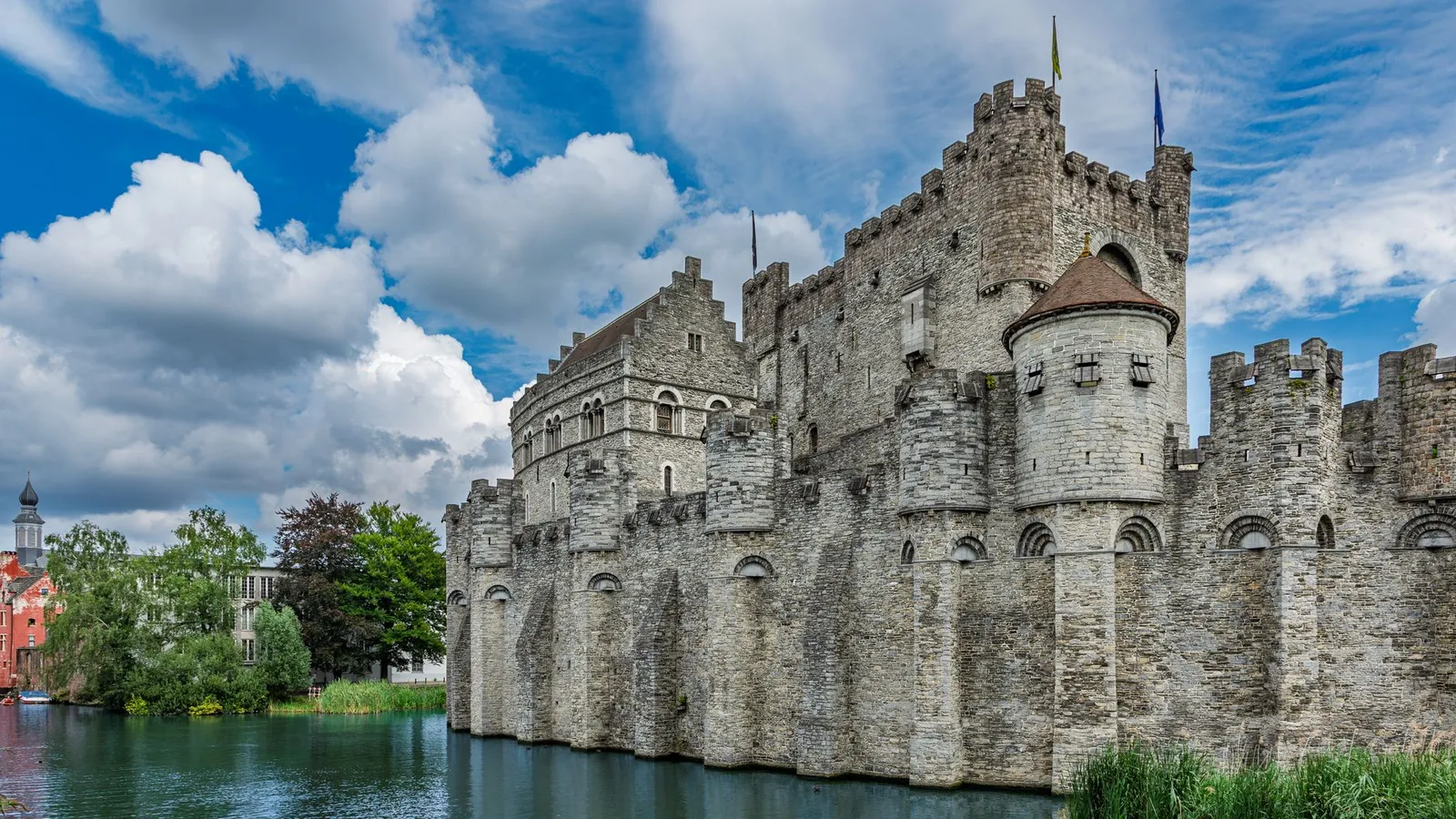
For a first visit, base yourself in the Historic Centre (Kuip van Gent) — you'll be walking distance from Gravensteen, the canals and the main squares. Patershol suits those who want cobbled charm and restaurants; the Sint-Pieters station area suits travellers arriving by train or prioritising easy connections; and Prinsenhof or the university quarter around Overpoort suit those wanting quieter streets or a livelier student scene.
The areas, by traveller
Historic Centre (Kuip van Gent)
The medieval core between Gravensteen, Korenmarkt and the Graslei–Korenlei canal fronts, so most landmarks are on foot. Lively and central, though the busiest streets can be noisy at peak times.
Explore Historic Centre (Kuip van Gent) →Patershol
A small district of narrow cobbled lanes right beside Gravensteen, known for its concentration of restaurants and old-town character. Charming and central but compact, with limited car access.
Explore Patershol →Sint-Pieters Station area
Clustered around Gent-Sint-Pieters, the city's main railway hub with direct links toward Brussels. It's south of the historic core, so you'll ride a tram or walk about 20–30 minutes to reach the main sights.
Explore Sint-Pieters Station area →Prinsenhof
A largely residential quarter just west of the centre, near Gravensteen and the Lieve canal. Calmer and more local in feel while still within walking distance of the old town.
Explore Prinsenhof →Overpoort / University quarter
Ghent's student and nightlife strip south of the centre, near the university campuses. Busy and affordable in character but noisier in the evenings, and a tram ride from the main landmarks.
Explore Overpoort / University quarter →Portus Ganda / Eastern canals
An area of restored waterways east of the old town where the Leie and Scheldt meet. Relaxed and scenic, with a short walk or tram trip into the historic core.
Explore Portus Ganda / Eastern canals →
Practical basics
- Getting in
- Ghent has no airport of its own; most visitors fly into Brussels (BRU) and continue by train, with Gent-Sint-Pieters as the arrival station near the city's south side.
- Best time to visit
- Late spring to early autumn brings mild weather and long light for the canals, while the July Gentse Feesten festival is vibrant but very busy.
- Getting around
- The compact centre is best explored on foot, with an extensive tram and bus network linking the station area to the old town.
Frequently asked
Is the Historic Centre the best area for a first visit?
Yes — basing yourself in the Kuip van Gent puts Gravensteen, the canals and the main squares within easy walking distance, which suits most first-timers.
Should I stay near Gent-Sint-Pieters station?
It's convenient if you're arriving by train or making day trips, but it sits south of the old town, so expect a short tram ride or a 20–30 minute walk to the main sights.
Is Ghent walkable, or do I need transport?
The historic core is very walkable and largely pedestrian-friendly; a tram or bus is mainly useful for reaching the station area or outer neighbourhoods.
Cities near Ghent
Hand-picked hotel guides for Ghent — real hotels, exact prices and distances — are on the way. This page will grow into the full recommendation set.
An independent guide to where to stay in Ghent — hotel recommendations are on the way.