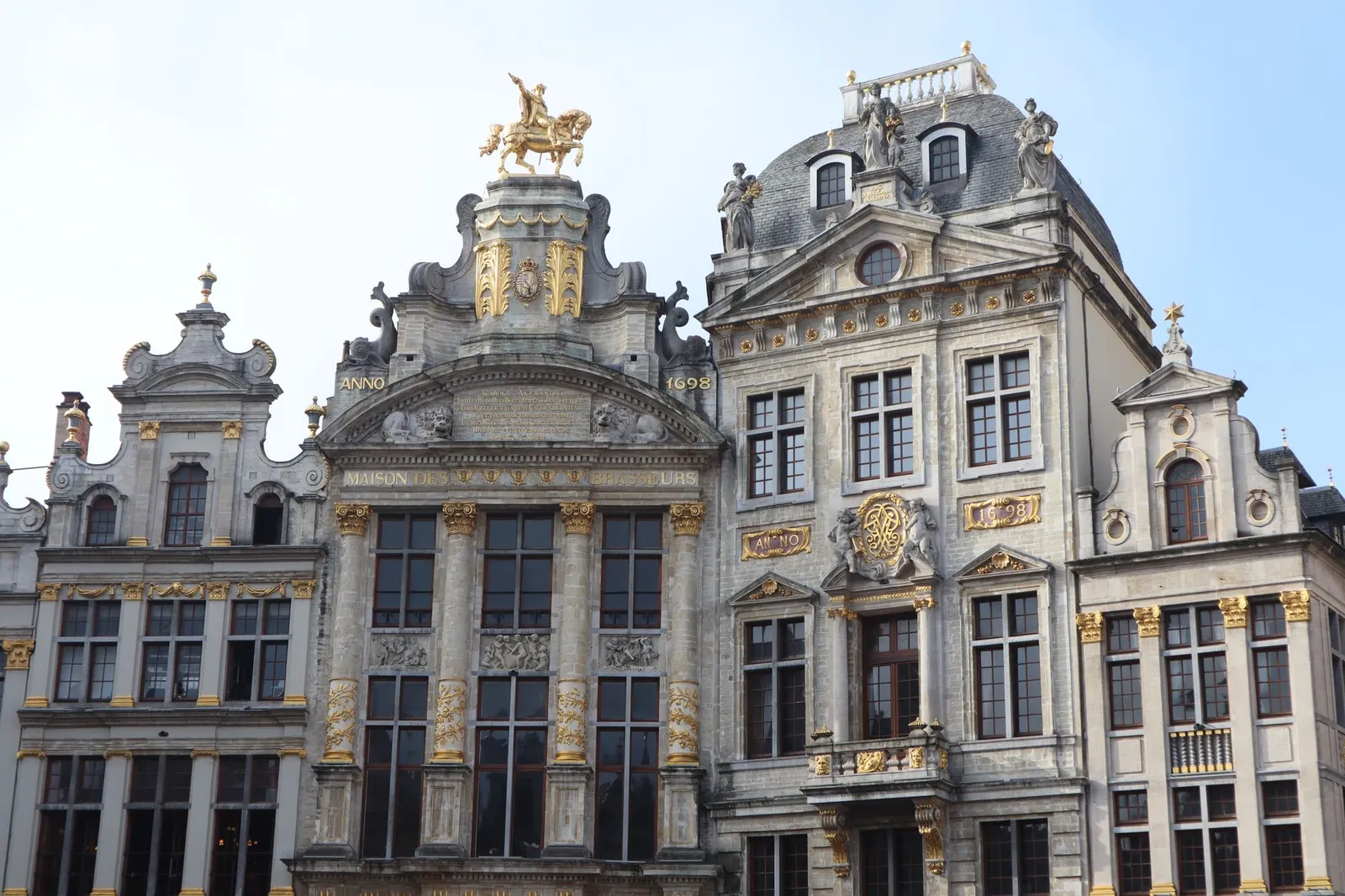
For a first visit to Brussels, the historic centre around the Grand Place is the easiest base, putting the main sights within walking distance. Sainte-Catherine and the Dansaert area suit those after a trendier, food- and bar-focused scene, Ixelles and the Chatelain quarter appeal to visitors wanting a residential, café-lined feel, and the European Quarter works well for business travellers or anyone seeking a calmer, well-connected base.
The areas, by traveller
Grand Place & Historic Centre (Îlot Sacré)
Wrapped around the Grand Place, this is the most walkable part of the city, close to the Manneken Pis, the Galeries Royales Saint-Hubert and Central Station. Expect crowds, cobbled lanes and plenty of restaurants, some of them tourist-oriented.
Explore Grand Place →Sainte-Catherine & Dansaert
Just northwest of the centre, this former fish-market district is known for seafood spots, independent boutiques and a lively evening scene along Rue Antoine Dansaert. It stays close to the main sights while feeling more local.
Explore Sainte-Catherine →Ixelles & Chatelain
South of the centre, Ixelles blends leafy streets, museums and a strong café and bar scene, especially around Place du Châtelain and the Flagey area. Good for longer stays and travellers who want to live a little more like a resident.
Explore Ixelles →European Quarter
Home to the EU institutions and near Parc du Cinquantenaire, this area is calmer in the evenings and well served by transport. It suits work trips or anyone happy to commute a few minutes into the historic core.
Explore European Quarter →Marolles
A characterful working-class district south of the centre, famous for its daily flea market on Place du Jeu de Balle and vintage shops. It has an earthy, unpolished charm and sits within walking distance of the old town.
Explore Marolles →Saint-Gilles
Bordering Ixelles, Saint-Gilles is known for its Art Nouveau architecture, diverse dining and a relaxed, creative crowd. It's close to Brussels-Midi station, handy for onward train travel.
Explore Saint-Gilles →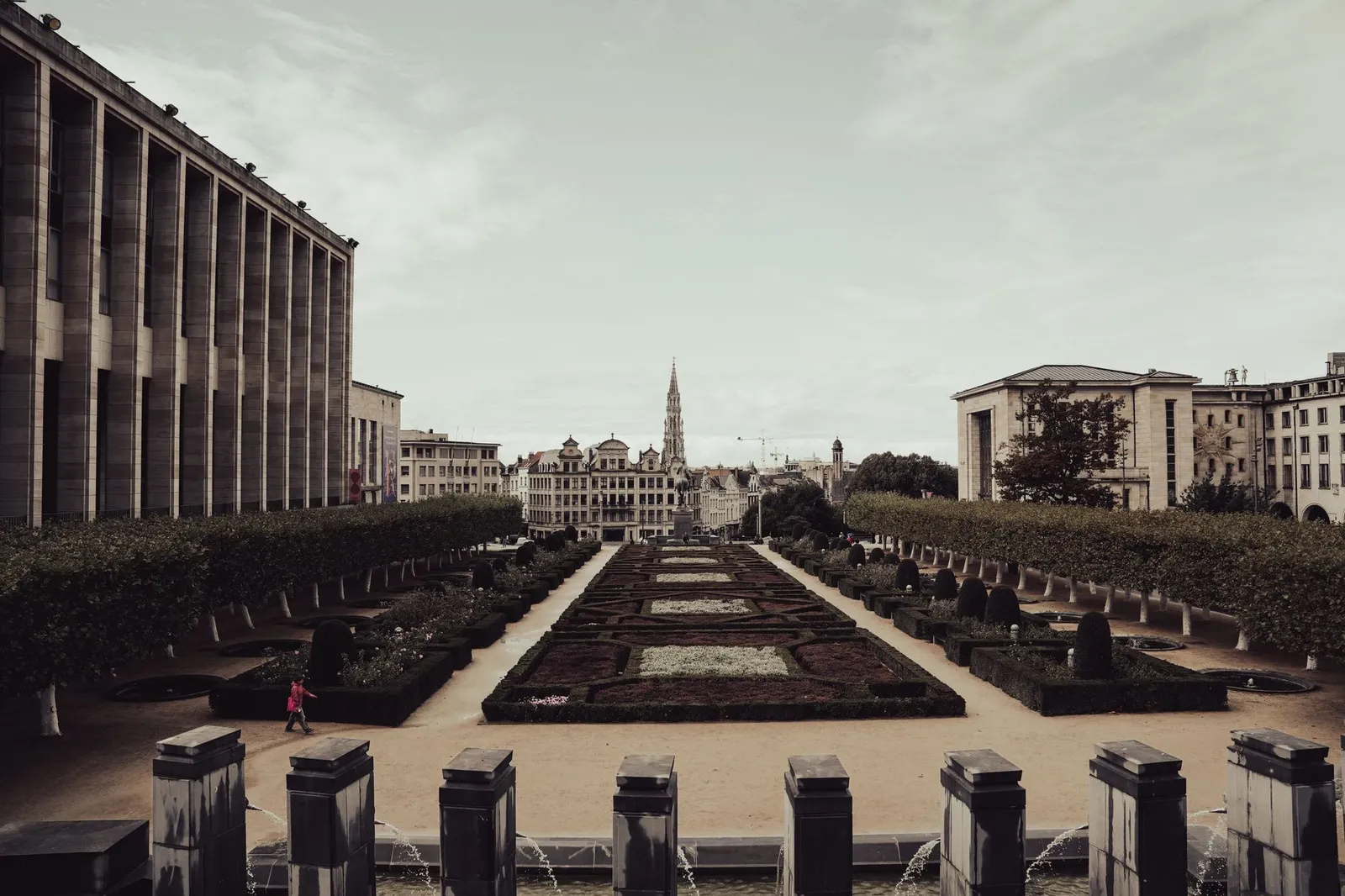
Practical basics
- Getting in
- Zaventem (BRU) connects to the city centre by train and airport bus, reaching the central stations in roughly 20 minutes.
- Getting around
- The centre is very walkable, and an integrated metro, tram and bus network covers the wider city.
- Best time to visit
- Spring and early autumn offer mild weather and fewer crowds, while December brings festive markets around the Grand Place.
- Currency
- Belgium uses the euro (EUR), and card payment is widely accepted.
Frequently asked
Where should first-time visitors stay in Brussels?
The historic centre around the Grand Place is the simplest choice, keeping the main landmarks, dining and Central Station within walking distance.
Is Brussels walkable, or do I need public transport?
The old town is compact and easily walked, but a metro, tram and bus network is useful for reaching areas like Ixelles or the European Quarter.
Which area is best for nightlife and dining?
Sainte-Catherine and the Dansaert quarter offer a lively food and bar scene, while Ixelles and Saint-Gilles are popular for cafés and a more local evening atmosphere.
Cities near Brussels
Hand-picked hotel guides for Brussels — real hotels, exact prices and distances — are on the way. This page will grow into the full recommendation set.
An independent guide to where to stay in Brussels — hotel recommendations are on the way.