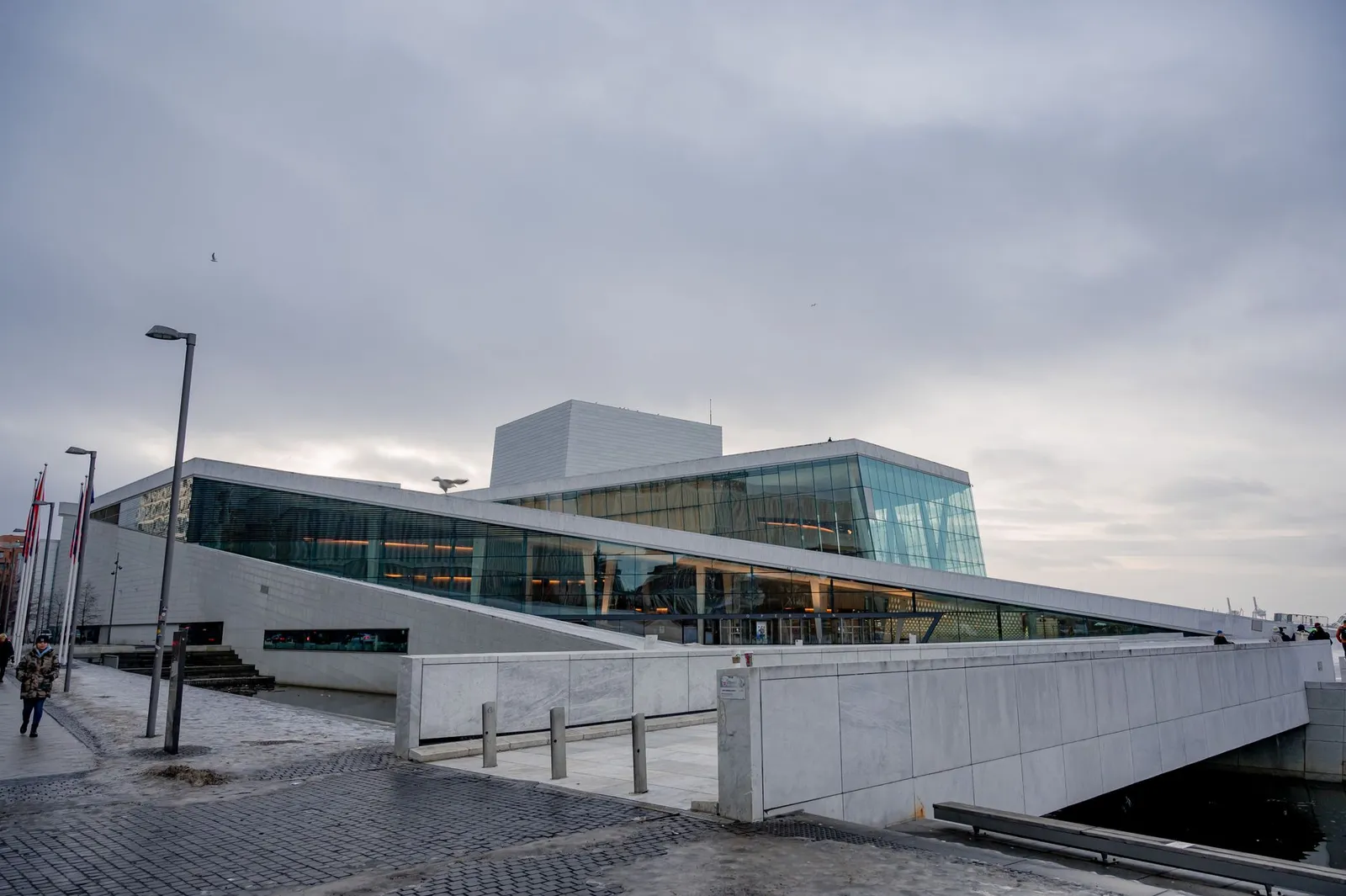
For a first visit, base yourself in Sentrum (the central core) for easy access to sights, transport and the harbour. Grünerløkka suits travellers who want nightlife, cafés and a younger creative scene, while Frogner and Majorstuen are quieter and greener, good for families and slower stays. Bjørvika, the waterfront district around the Opera House, appeals to design-minded visitors who want modern architecture and the fjord on their doorstep.
The areas, by traveller
Sentrum (City Centre)
Oslo's compact core around Karl Johans gate, the Central Station and the main shopping streets. Most museums, the harbour and transport connections are within walking distance.
Explore Sentrum (City Centre) →Bjørvika
The redeveloped fjordside district built around the Opera House and modern architecture. It's steps from the water and a short walk to the Central Station.
Explore Bjørvika →Grünerløkka
A lively former working-class area east of the river Akerselva, now full of independent shops, bars and brunch spots. It has a relaxed, creative feel and is a short tram or walk from the centre.
Explore Grünerløkka →Frogner
An elegant, leafy residential district on the west side, home to Frogner Park and the Vigeland sculptures. Streets are calm and spacious, with easy tram links into the centre.
Explore Frogner →Majorstuen
A well-connected west-side neighbourhood near shops, restaurants and a major transport hub. It's a practical, local-feeling base with quick access to trams and the metro.
Explore Majorstuen →Grønland
A diverse, energetic area just east of the centre with markets, affordable eateries and good transport. It's less polished but central and lively.
Explore Grønland →
Practical basics
- Getting in
- Gardermoen (OSL) lies northeast of the city, with a fast train link and airport buses running directly to Oslo Central Station in the Sentrum area.
- Best time to visit
- Late spring through early autumn brings long daylight and mild weather, while winter offers a quieter, darker atmosphere with Christmas markets.
- Getting around
- Central Oslo is very walkable, and an integrated network of trams, metro, buses and ferries covers the wider city on a single ticket.
- Currency
- Norway uses the Norwegian krone (NOK), and card payment is accepted almost everywhere.
Frequently asked
Which area is best for first-time visitors?
Sentrum, the central core, is the easiest base because most sights, shops and transport connections are within walking distance.
Where should I stay for nightlife?
Grünerløkka has the densest concentration of bars, cafés and casual restaurants, with a relaxed and youthful atmosphere.
Is Oslo easy to get around without staying central?
Yes — the tram, metro and bus network is efficient, so quieter west-side areas like Frogner or Majorstuen are still well connected to the centre.
Cities near Oslo
Hand-picked hotel guides for Oslo — real hotels, exact prices and distances — are on the way. This page will grow into the full recommendation set.
An independent guide to where to stay in Oslo — hotel recommendations are on the way.