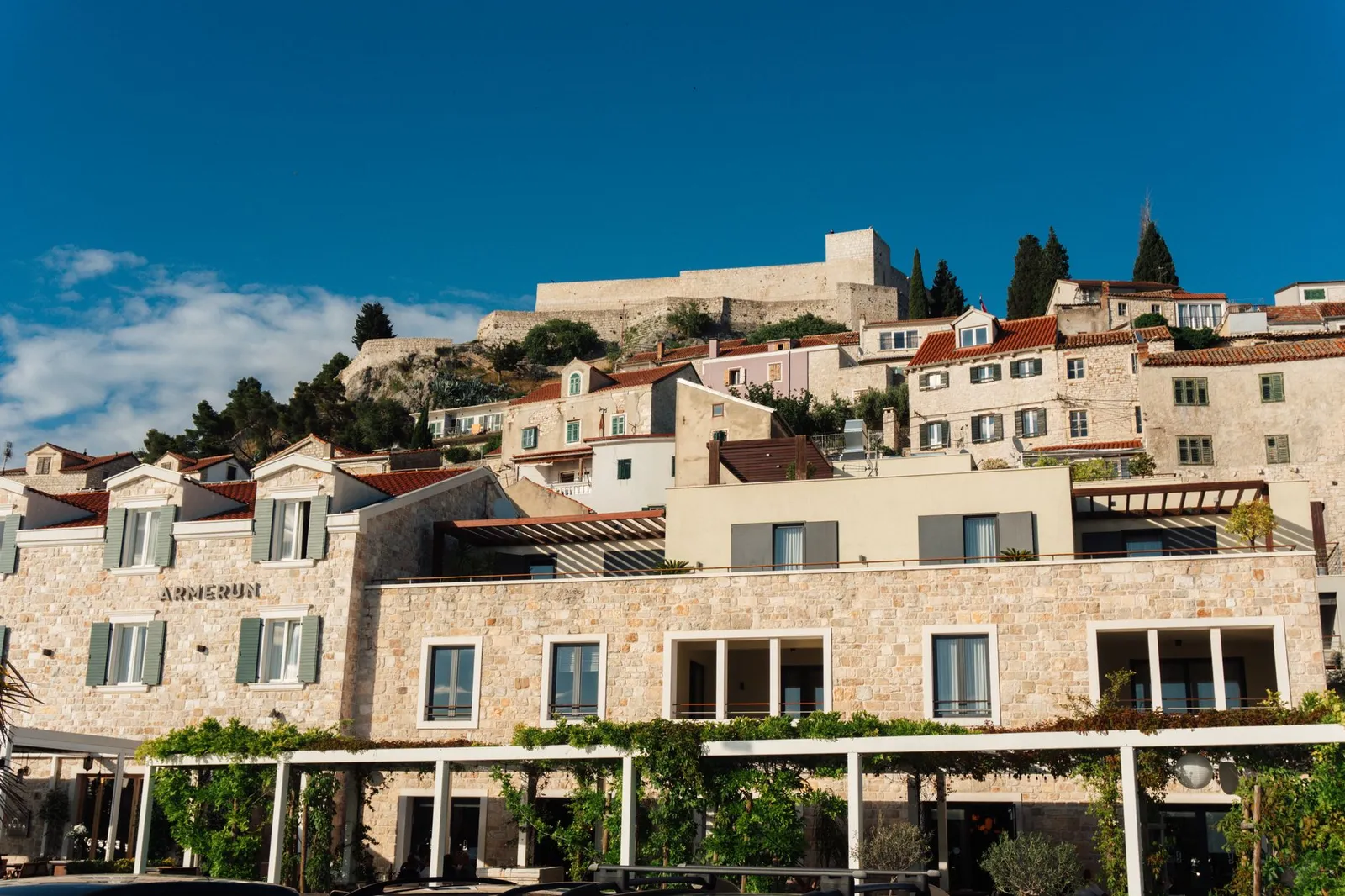
The best time to visit Hvar is May, June, September and October, when average highs sit comfortably between 21.2 °C and 27.3 °C and the sea and streets feel warm without the summer crush. June is especially reliable, with an average high of 27.3 °C, just 5 rain days and 13.3 hours of sunshine a day, while October still delivers 21.2 °C highs. July and August are peak season, when school holidays fill the harbour and the Fortica trails at their busiest. Winter is the quiet low season, cooler and wetter, with plenty of businesses winding down until spring.
Best months MayJuneSeptemberOctober
Hvar month by month
Average highs and lows (°C), 2016–2025. Highlighted bars are the best months.
| Month | High | Low | Rain days | Sun / day |
|---|---|---|---|---|
| January | 11.4 °C | 6.4 °C | 11 | 6.8 h |
| February | 12.9 °C | 7.6 °C | 10 | 8.1 h |
| March | 14.6 °C | 9 °C | 11 | 9.4 h |
| April | 17.6 °C | 11.6 °C | 10 | 11 h |
| May | 21.7 °C | 15.7 °C | 11 | 12 h |
| June | 27.3 °C | 20.7 °C | 5 | 13.3 h |
| July | 30 °C | 23 °C | 3 | 13.6 h |
| August | 30.2 °C | 23.2 °C | 4 | 12.9 h |
| September | 25.5 °C | 19.4 °C | 8 | 10.7 h |
| October | 21.2 °C | 15.5 °C | 8 | 9.3 h |
| November | 16.7 °C | 11.8 °C | 14 | 6.8 h |
| December | 13.2 °C | 8.6 °C | 11 | 6.2 h |
How the months are picked.A month qualifies when its average high sits in the comfortable 20–28 °C band (scored down towards 9 °C and 37 °C), rain days are few and sunshine hours are high — at least 78 % of the city's best-scoring month. July and August are then set aside as peak season (school-holiday crowds and prices) whenever at least three other months qualify; where summer is the only comfortable window they stay. Figures are ten-year averages (2016-01-01 to 2025-12-31) from ERA5 reanalysis data via Open-Meteo (CC BY 4.0) for the city centre coordinates.
When to go, and what to expect
Spring (Mar–May)
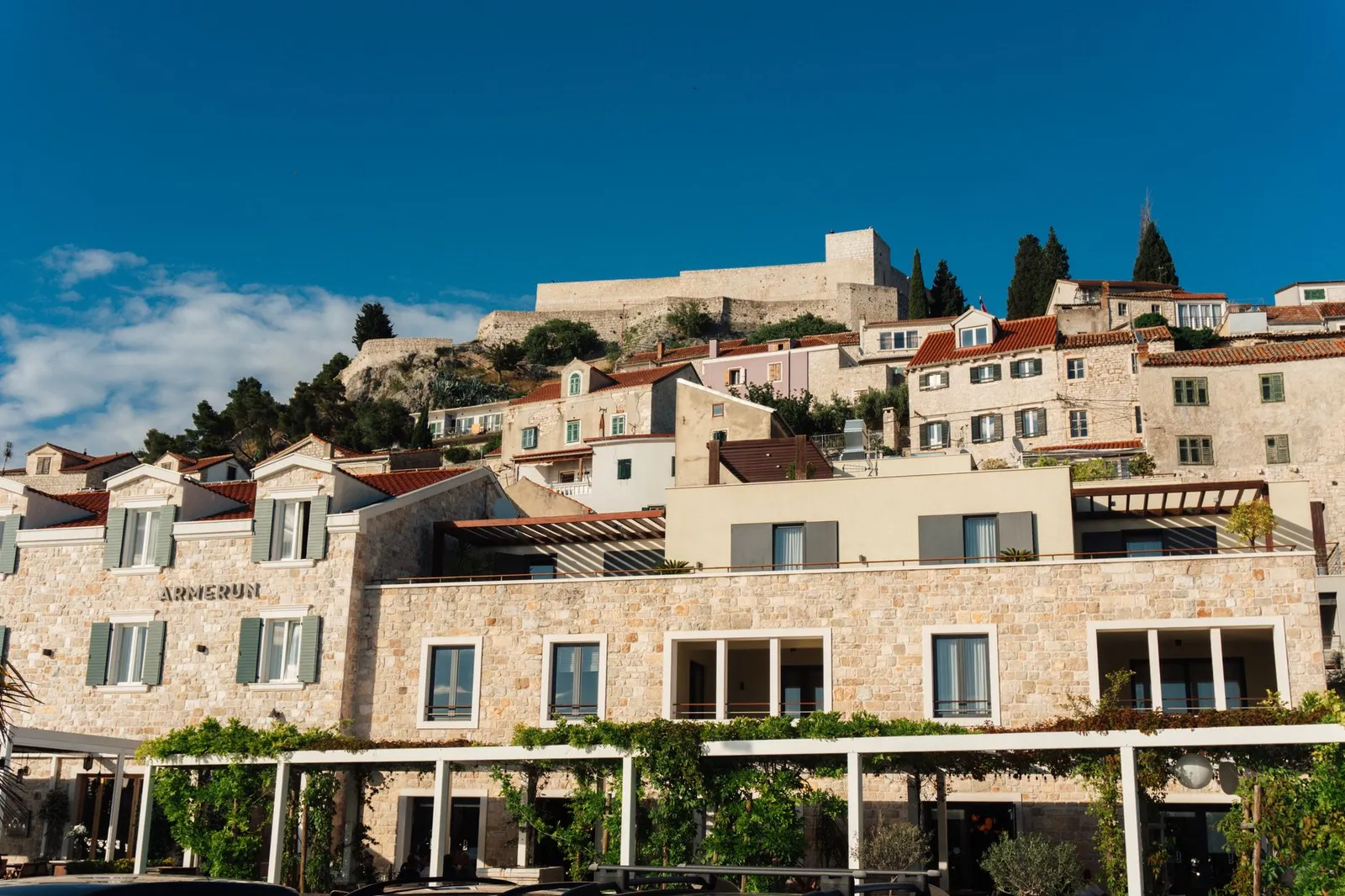
Great for hikers and sightseers who want mild days and open trails to the Fortica.
Summer (Jun–Aug)
June is the sweet spot; peak July–August suits beach-and-nightlife travellers who don't mind crowds.
Autumn (Sep–Nov)
Ideal for warm-sea swims and quieter exploring; skip late November as rain sets in.
Winter (Dec–Feb)
Only for budget travellers wanting solitude; most seasonal life is dormant.
Notable events
- Late spring through summer
- Hvar Summer Festival (classical concerts and cultural events)
- August
- Feast of St Stephen, Hvar's patron saint
- Spring (Holy Week)
- Za Križen (Following the Cross) Easter procession
- Summer
- Hvar wine and lavender harvest season
Frequently asked
Is Hvar too hot in August?
August is the peak of summer heat, with average highs of 30.2 °C and only 4 rain days. It's hot and busy; if you prefer milder days, June's 27.3 °C or September's 25.5 °C are easier.
What is the rainiest month in Hvar?
November is the wettest, with 14 rain days and just 6.8 hours of sunshine a day. December and January are also damp at 11 rain days each.
Is winter worth visiting Hvar?
Winter is quiet and low-key, with highs of 11.4 °C in January and 13.2 °C in December, plus short days of 6.2–6.8 hours of sunshine. It suits solitude-seekers, but many businesses close until spring.
Know when to go? Now decide where to stay — our Hvar area guide →
Areas of Hvar
Best time to visit near here
Sources
- Open-Meteo historical weather API — monthly climate normals, 2016–2025 (CC BY 4.0)
- ERA5 reanalysis (ECMWF / Copernicus) — the underlying temperature, precipitation and sunshine data
- ReasonStay methodology — how the best months are computed and checked
An independent guide to Hvar — honest, verified, no invented data. Climate figures: ERA5 via Open-Meteo, 2016–2025 averages; the best months are computed from them, not opinion.