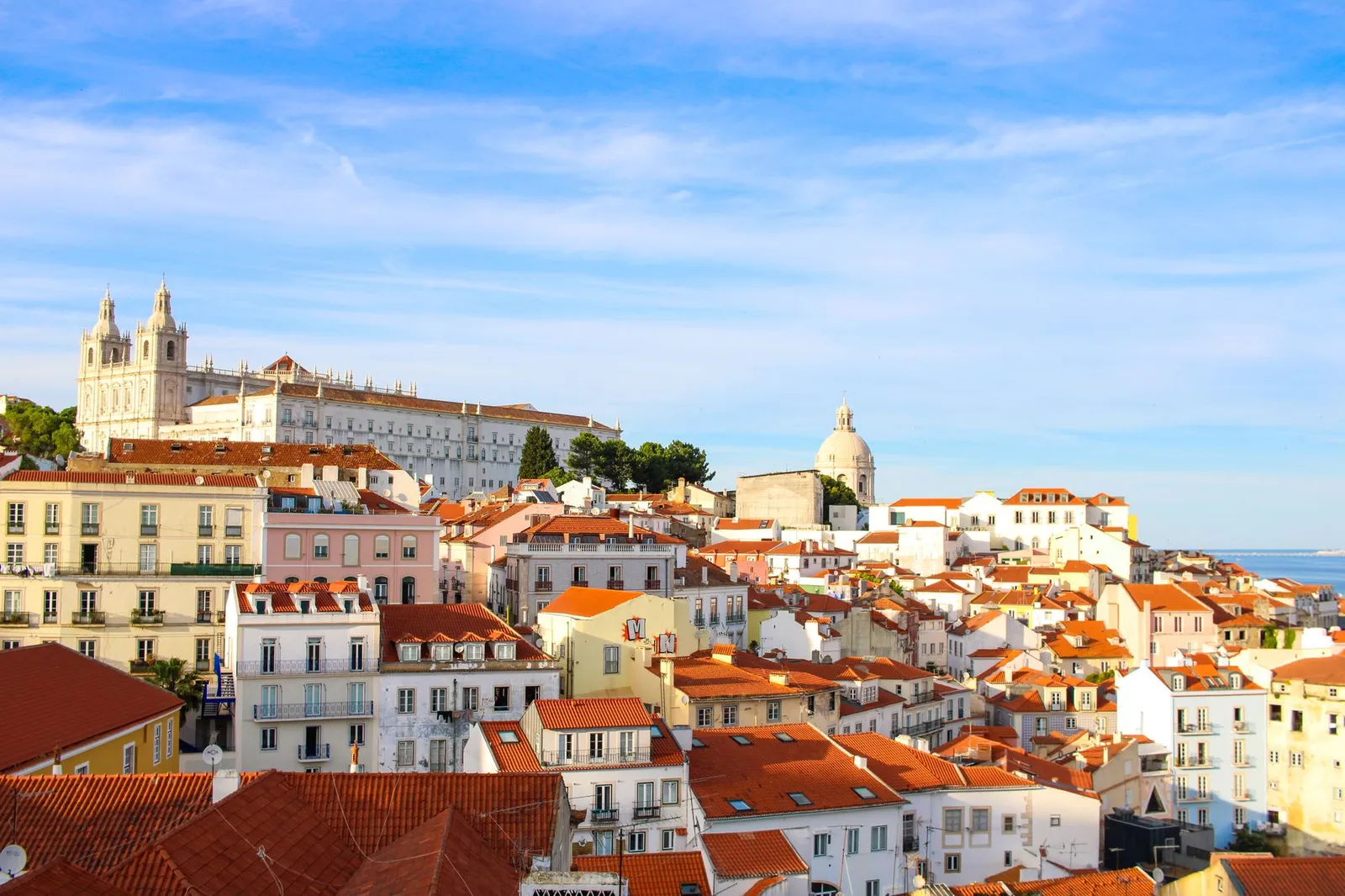
Alfama is Lisbon's oldest quarter, a labyrinth of narrow lanes and staircases climbing toward São Jorge Castle. It survived the 1755 earthquake and is famous for Fado houses, tiled façades and sweeping viewpoints. It suits visitors who want history and atmosphere over convenience, and don't mind hills.
Alfama at a glance
- Distance to Belém Tower
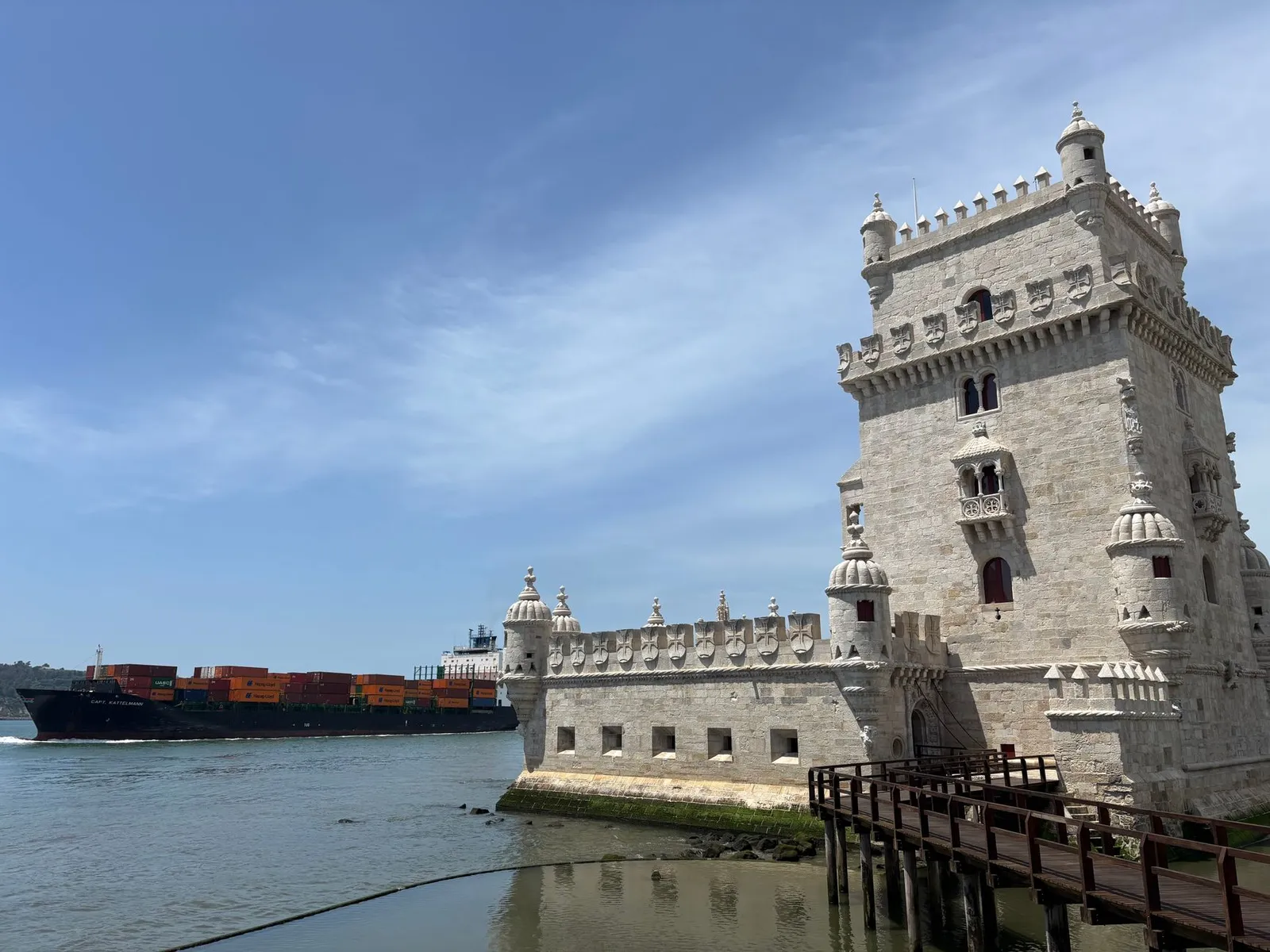
- About 7.6 km as the crow flies — take public transport.
- From the city centre
- About 1.1 km as the crow flies.
- Nearest station
- Miradouro de Santa Luzia (tram stop), about 130 m from the centre of the area.
- Source
- Distances computed from OpenStreetMap coordinates (© OpenStreetMap contributors), checked 2026-09-05. Straight-line figures — walking routes are longer.
The district spreads below the castle down toward the river, threaded with alleys too narrow for cars and dotted with miradouros (viewpoints) like Santa Luzia and Portas do Sol. Nearby stand the Sé cathedral and the National Pantheon. Days are gently touristy and photogenic; evenings bring the mournful sound of Fado drifting from tavernas.
Getting around
The famous Tram 28 rattles through Alfama, and it's a short walk or tram ride to Baixa; the riverside tram continues on toward Belém Tower. For Humberto Delgado (LIS), a taxi or ride-hail is easiest, as luggage over the steep cobbles is hard work.
Before you book this area
- Vibe
- Historic, village-like and atmospheric, with Fado music and washing strung between houses.
- Watch out for
- Steep hills, stairs and cobblestones make arriving with luggage difficult; few streets take cars.
- Nightlife
- Focused on traditional Fado dinners rather than bars or clubs.
Frequently asked
Is Alfama a good area to stay in Lisbon?
Alfama is Lisbon's oldest quarter, a labyrinth of narrow lanes and staircases climbing toward São Jorge Castle, and it suits visitors who want history and atmosphere over convenience. If you don't mind hills, stairs and cobblestones, it's a great choice; if you're arriving with heavy luggage or need car access, you may want to look elsewhere.
How far is Alfama from Belém Tower?
Alfama is about 7.6 km from Belém Tower in a straight line, so it's not a walking distance — use public transport. The riverside tram continues on toward Belém Tower.
How do I get around Alfama and what's the nearest station?
The nearest stop is Miradouro de Santa Luzia, a tram stop about 130 m from the area's centre. The famous Tram 28 rattles through Alfama, and it's a short walk or tram ride to Baixa.
Is Alfama central?
Yes — Alfama is roughly 1.1 km from the city centre in a straight line. It spreads below the castle down toward the river, threaded with alleys too narrow for cars.
What is the nightlife like in Alfama?
Nightlife is focused on traditional Fado dinners rather than bars or clubs. Evenings bring the mournful sound of Fado drifting from tavernas, with many restaurants offering live performances.
Comparing areas? See the full Lisbon area guide →
Other areas near Alfama
Sources
- OpenStreetMap — area location, distances and nearest station (© OpenStreetMap contributors, ODbL), checked 2026-09-05
- ReasonStay methodology — how areas are chosen and facts are verified
An independent guide to Alfama, Lisbon — honest orientation, no invented data.