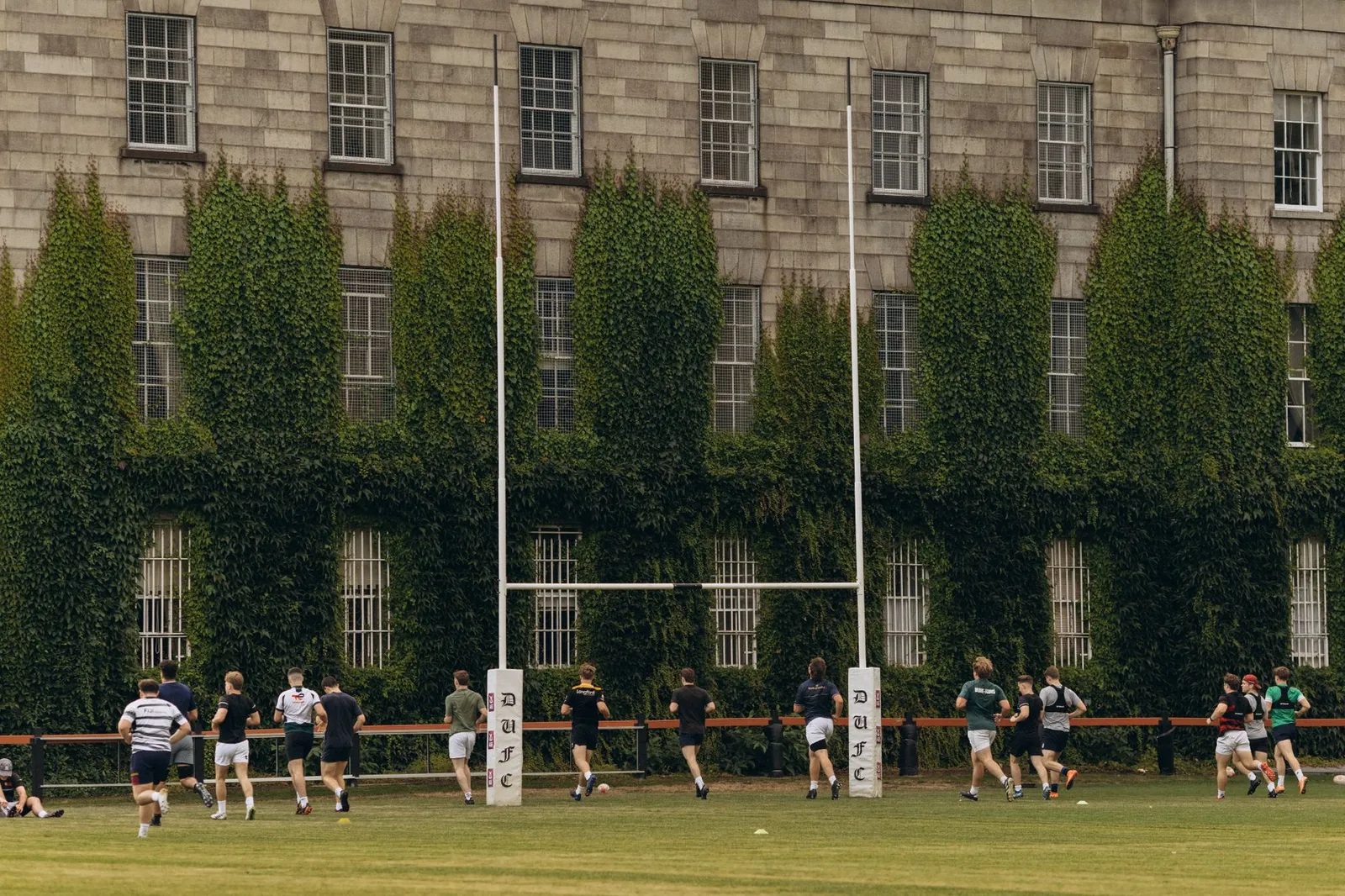
For a first visit, base yourself in the City Centre South (around Trinity College and Grafton Street) for the easiest access to sights, dining and transport. Temple Bar suits those chasing nightlife, Ballsbridge and Donnybrook work well for quieter, leafier stays and families, while the North City Centre around O'Connell Street tends to offer better value while staying central.
The areas, by traveller
City Centre South (Grafton Street & Trinity College)
Built around Trinity College and pedestrianised Grafton Street, this is the compact heart of Dublin with shops, cafés, St Stephen's Green and most major sights within walking distance. It's the most convenient base for a first trip.
Explore City Centre South (Grafton Street →Temple Bar
A cobbled riverside quarter packed with pubs, live music and restaurants, right beside the River Liffey and a short walk from Trinity College. It's lively and central but can be noisy late into the night.
Explore Temple Bar →North City Centre (O'Connell Street)
North of the Liffey around O'Connell Street and Henry Street, this area has good transport links, shopping and cultural spots, and often better value than the Southside while remaining walkable to the centre.
Explore North City Centre (O'Connell Street) →Ballsbridge & Donnybrook
A leafy, upmarket district southeast of the centre with embassies, tree-lined roads and the RDS venue. It's calmer and more residential, connected to the centre by bus and a short DART or tram-adjacent hop.
Explore Ballsbridge →The Docklands (Grand Canal & IFSC)
A redeveloped waterfront zone east of the centre with contemporary architecture, tech offices and the Grand Canal theatre. It's well served by the Luas tram and DART and feels newer and quieter than the old core.
Explore The Docklands (Grand Canal →Portobello & Rathmines
Just south of the canal, these residential neighbourhoods offer independent cafés, canal-side walks and a relaxed village feel while staying close enough to walk or bus into the centre.
Explore Portobello →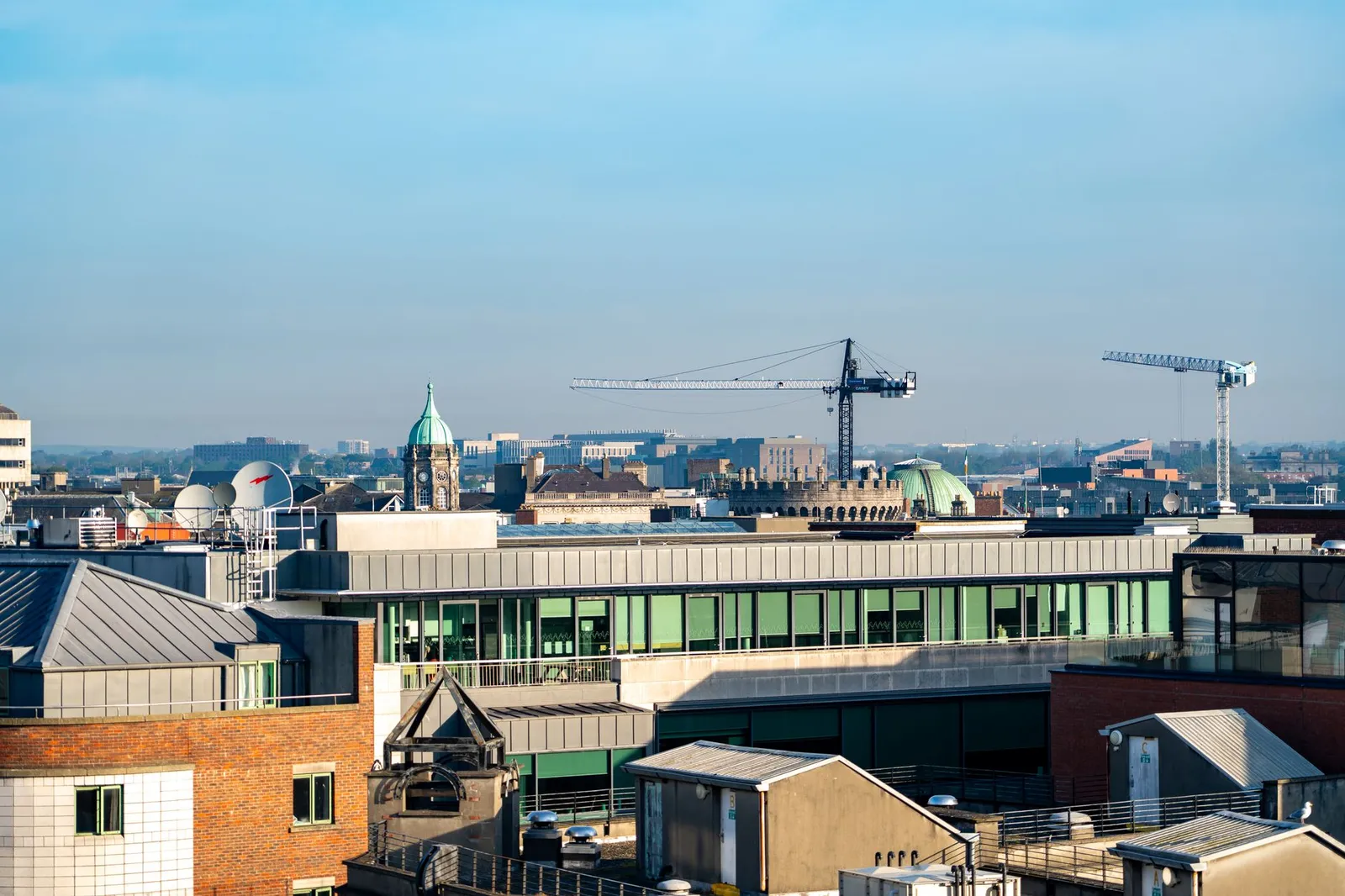
Practical basics
- Getting in
- Dublin (DUB) sits north of the city; frequent airport buses and coaches run to the central areas around O'Connell Street and the south quays in roughly 30–45 minutes.
- Best time to visit
- Late spring through early autumn brings the mildest weather and longest days, though the city is walkable and lively year-round.
- Getting around
- The central areas are compact and best explored on foot, supplemented by the Luas tram, DART trains and an extensive bus network.
- Currency
- Ireland uses the euro (EUR), and card payments are widely accepted across the city.
Frequently asked
Is Temple Bar a good place to stay?
It's ideal if you want nightlife and pubs on your doorstep, but it can be crowded and noisy at night, so light sleepers may prefer a base a few streets away.
Which area is best for first-time visitors?
The City Centre South around Trinity College and Grafton Street puts you within walking distance of most major sights and transport, making it the easiest starting point.
Where should I stay for a quieter trip?
Ballsbridge, Donnybrook or Portobello offer leafier, more residential surroundings while remaining a short bus, tram or walk from the centre.
Cities near Dublin
Hand-picked hotel guides for Dublin — real hotels, exact prices and distances — are on the way. This page will grow into the full recommendation set.
An independent guide to where to stay in Dublin — hotel recommendations are on the way.