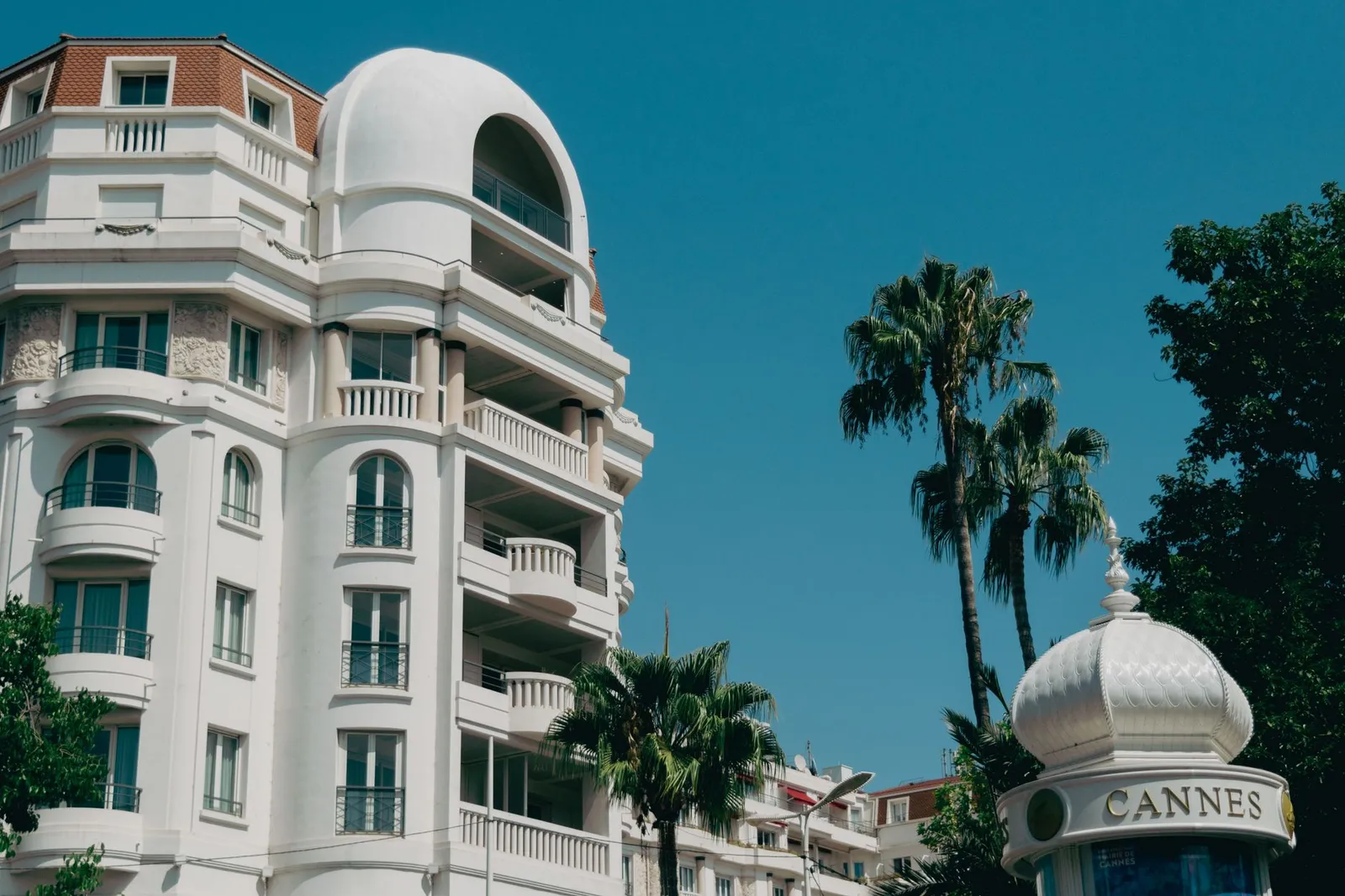
For a first visit, base yourself along or just behind La Croisette, where you're steps from the beaches, palaces and the Palais des Festivals. Le Suquet (Old Town) suits travellers who want atmosphere, history and views, while the area around Rue d'Antibes is central and lively for shopping and dining. For better value and a more residential, family-friendly feel, look to La Bocca or the neighbourhoods slightly inland from the seafront.
The areas, by traveller
La Croisette & seafront
This is the palm-lined waterfront boulevard fronting the sandy beaches and grand hotels. Everything feels central and glamorous, and you're within walking distance of the Palais des Festivals and the main beach clubs.
Explore La Croisette →Le Suquet (Old Town)
Cannes' historic hilltop quarter has narrow cobbled lanes, the old port and panoramic views from the church terrace. It's atmospheric and full of small restaurants, though the slopes mean some walking uphill.
Explore Le Suquet (Old Town) →Rue d'Antibes & central Cannes
Running parallel to the seafront, this is the main shopping and dining spine of the centre. You're a short walk from both La Croisette and the train station, making it very convenient for getting around.
Explore Rue d'Antibes →Around the Vieux Port & Palais des Festivals
This zone sits beside the marina and the festival building, close to buses, ferries to the Lérins islands and the station. It's practical and central, with a mix of cafés and waterfront bustle.
Explore Around the Vieux Port →La Bocca
A more residential district west of the centre with its own beaches and a local, everyday feel. Prices tend to be gentler here, and the tram-style connections and train make reaching the centre straightforward.
Explore La Bocca →La Californie
A leafy, upscale residential hillside east of the centre known for villas and calm streets. It's peaceful and scenic but further from the action, so it works best if you don't mind a bit of travel into town.
Explore La Californie →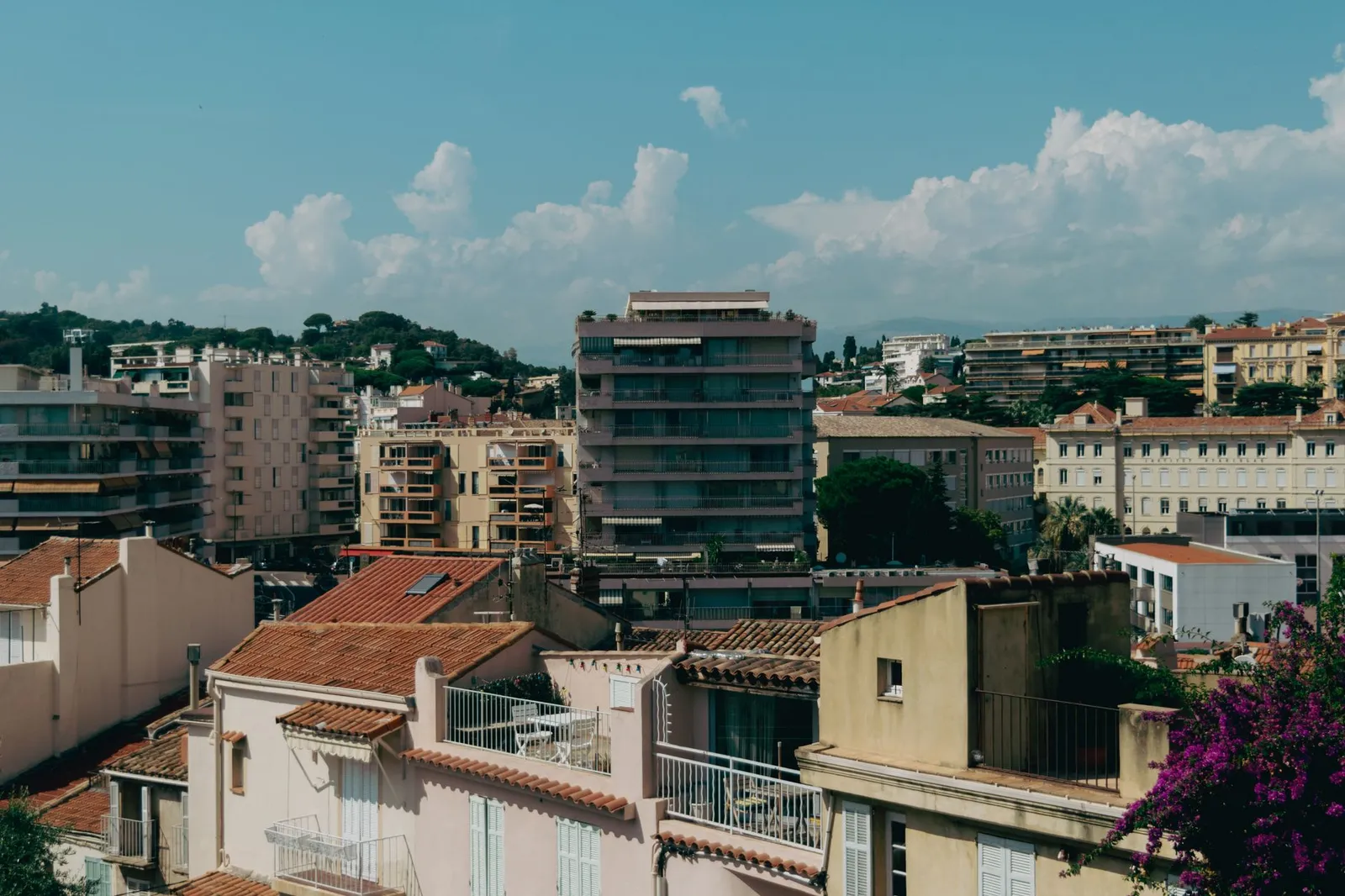
Practical basics
- Getting in
- Fly into Côte d'Azur (NCE) near Nice, then reach Cannes by bus, train or transfer, generally around 30–45 minutes toward the centre depending on traffic.
- Best time to visit
- Late spring and early autumn offer warm weather and fewer crowds, while summer and major festivals are busiest and most expensive.
- Getting around
- The compact centre is walkable, and local buses plus the train along the coast connect neighbourhoods and nearby towns easily.
Frequently asked
Is it worth staying right on La Croisette?
For a first visit, yes — it puts you beside the beaches, main sights and dining, though staying a street or two back is often quieter while still central.
Which area is best for families?
La Bocca and residential streets set back from the seafront tend to be calmer and better value, with easy access to beaches and transport.
Do I need a car in Cannes?
Not for the centre, which is walkable and well served by trains and buses; a car is mainly useful if you stay in hillside areas like La Californie or plan day trips.
Cities near Cannes
Hand-picked hotel guides for Cannes — real hotels, exact prices and distances — are on the way. This page will grow into the full recommendation set.
An independent guide to where to stay in Cannes — hotel recommendations are on the way.