
For a first visit to Sofia, the Centre (Sofia Centre) around Alexander Nevsky Cathedral suits first-timers who want landmarks and restaurants within walking distance. Oborishte is a calmer, leafy pick for couples and culture-focused stays, while Studentski Grad leans younger and livelier for nightlife. Families and quieter budgets often do well in Lozenets or the areas near Vitosha's foothills, with green space and easy transport into the core.
Six areas, six different trips
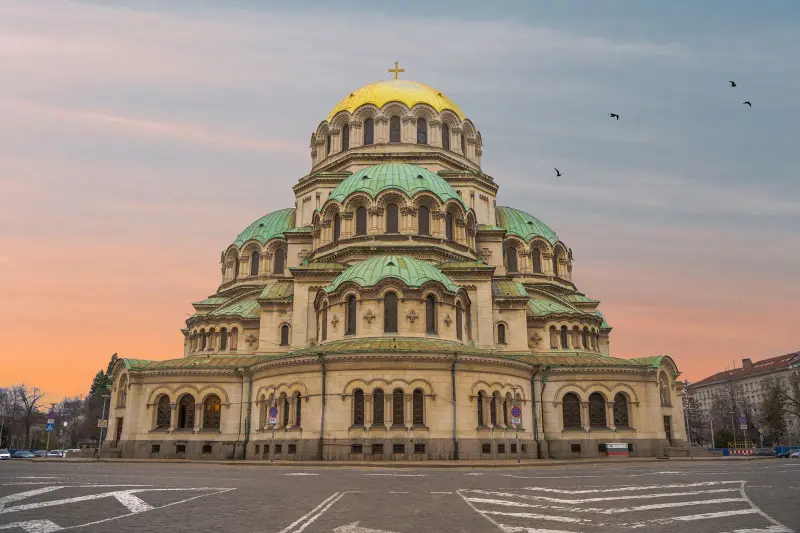
Sofia Centre (Tsentar)
The historic heart, walkable to Alexander Nevsky Cathedral, the yellow-brick boulevards, museums and the main pedestrian shopping streets. Most sights and cafés are within a short stroll, making it the easiest base without transport.
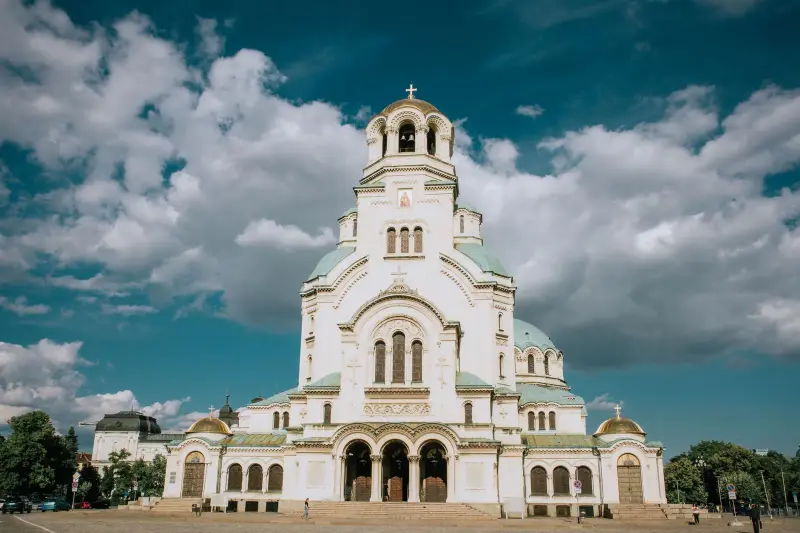
Oborishte
A quieter, tree-lined district just east of the cathedral, known for embassies, elegant older buildings and parks. It stays close to the centre while feeling more residential and relaxed in the evenings.
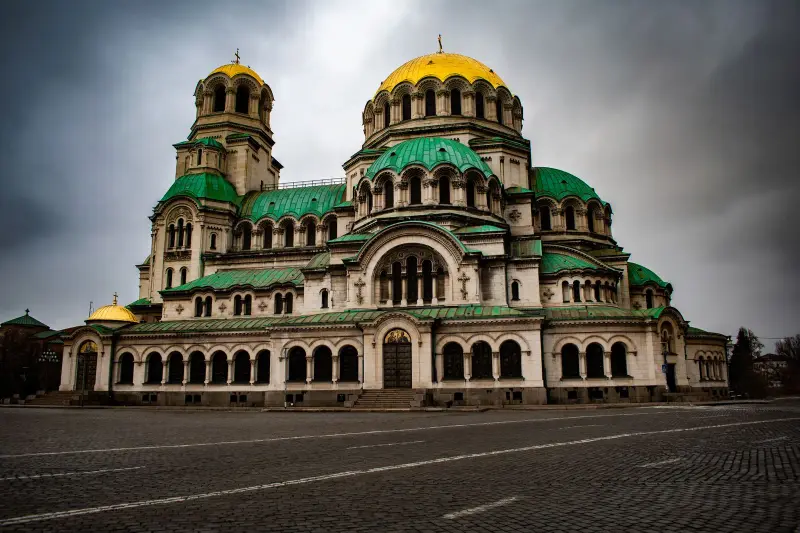
Lozenets
A leafy neighbourhood south of the centre with cafés, restaurants and green space toward the South Park. It suits travellers who want a calmer, everyday atmosphere with a quick tram or metro ride into town.
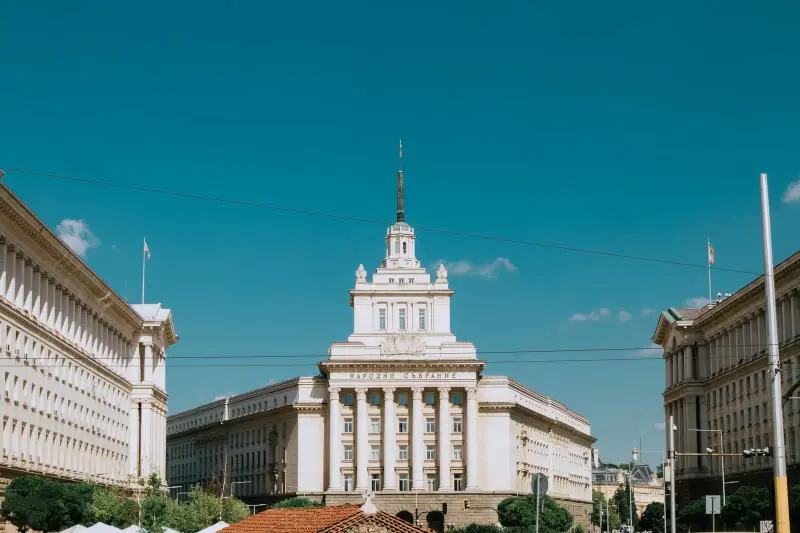
Studentski Grad
Sofia's student district, packed with bars, clubs and casual eateries that stay busy late. It's further from the historic sights, so expect to use transport to reach the centre.
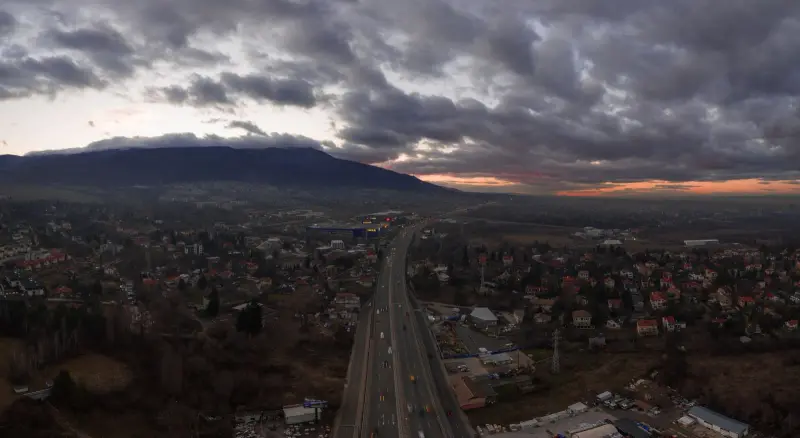
Vitosha foothills (Boyana / Dragalevtsi)
Residential areas at the edge of the city near Vitosha mountain, close to the Boyana Church and hiking trails. Best if you have a car or don't mind longer trips into the centre in exchange for green surroundings.
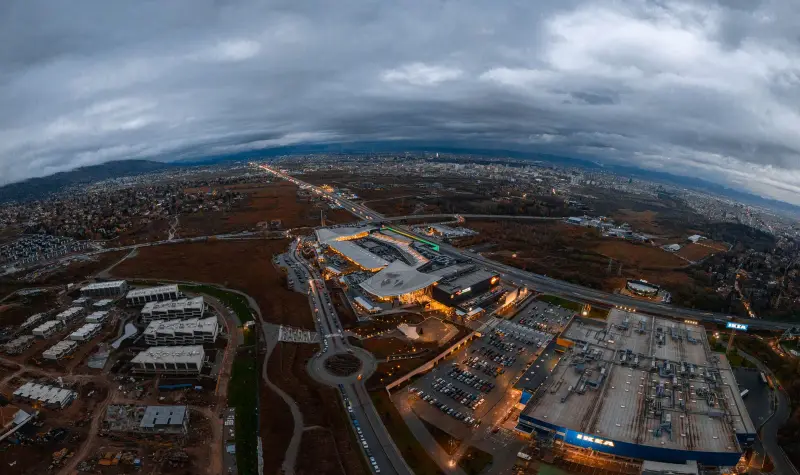
Serdika / around the metro core
Centred on the archaeological ruins and a major metro interchange, this area links you fast to the airport and across the city. It's practical and central, if a little busier and more workaday than the cathedral zone.
The areas, measured
Of the 6 areas we cover in Sofia, Sofia Centre (Tsentar) is the most central (about 1.4 km from the centre) and Studentski Grad the farthest out (5.9 km). Oborishte is nearest Alexander Nevsky Cathedral at 840 m (about 10 min on foot); Studentski Grad is 5.1 km away. None of the 3 measured areas have a metro, train or tram stop within 500 m of their centre.
| Area | Best for | To Alexander Nevsky Cathedral | To centre | Nearest station |
|---|---|---|---|---|
| Sofia Centre (Tsentar) | First-time visitors | 2.1 km · 26 min walk | 1.4 km | — |
| Oborishte | Couples and culture lovers | 840 m · 10 min walk | 1.9 km | — |
| Lozenets | Longer stays and a local feel | — | — | — |
| Studentski Grad | Nightlife and younger travellers | 5.1 km | 5.9 km | — |
| Vitosha foothills (Boyana / Dragalevtsi) | Nature and quiet | — | — | — |
| Serdika / around the metro core | Transport and convenience | — | — | — |
Straight-line distances from each area's centre, from OpenStreetMap (© OpenStreetMap contributors); walking routes are longer. "—" = not measured yet.
Hotels in Sofia
See live prices and availability for stays in Sofia on a major booking site.

Practical basics
- Getting in
- Sofia (SOF) sits east of the city and connects to the centre directly by metro, which is the simplest way toward Serdika and the core.
- Best time to visit
- Late spring and early autumn bring mild weather and fewer crowds, while winter offers nearby skiing on Vitosha.
- Getting around
- The centre is very walkable, and an integrated metro, tram and bus network covers the wider city.
- Currency
- Prices are in EUR, and cards are widely accepted in central shops, cafés and transport.
Sofia through the year
On our climate rule the best months to visit Sofia are May, June and September. August is the warmest month (average high 28.6 °C) and January the coldest (5.0 °C by day, -3.4 °C at night); May has the most rain days (13 a month) and July the sunniest. Ten-year ERA5 normals via Open-Meteo, 2016–2025.
Read the month-by-month guidePlaces to stay around Sofia
Loads an interactive hotel map from a booking partner, which may set cookies. Privacy · affiliate links
Frequently asked
Where should first-time visitors stay in Sofia?
Sofia Centre (Tsentar) is the best base for first-timers, keeping Alexander Nevsky Cathedral, the yellow-brick boulevards, museums and main shopping streets within walking distance. It's the easiest area to stay in without relying on transport.
Which area is closest to Alexander Nevsky Cathedral and most central?
Oborishte is nearest the cathedral at about 840 m (about 10 min on foot), while Sofia Centre (Tsentar) is about 2.1 km away (about 26 min on foot). Sofia Centre (Tsentar) is the most central of the areas, about 1.4 km from the city centre, with Oborishte about 1.9 km out.
Which Sofia areas have a metro, train or tram stop nearby?
Neither of the two measured areas, Sofia Centre (Tsentar) nor Oborishte, has a metro, train or tram stop within 500 m of its centre. The wider city is covered by an integrated metro, tram and bus network, and the metro links the airport directly to Serdika and the core.
Where should I stay in Sofia for nightlife, families or a quiet trip?
Studentski Grad is the student district with the densest concentration of bars and clubs, though you'll need transport back to the centre. Families and quieter stays often suit Lozenets or the Vitosha foothills (Boyana / Dragalevtsi) for green surroundings, while Oborishte stays calm and residential in the evenings.
When is the best time to visit Sofia and what's the weather like?
The best months are May, June and September. May has average highs of 20.4 °C with 13 rain days, June reaches 25.4 °C with 11 rain days, and September is 24.2 °C with just 5 rain days; August is the warmest month at an average high of 28.6 °C and January the coldest at 5.0 °C by day and -3.4 °C at night.
Sofia Centre (Tsentar) or Oborishte — which should I choose?
Choose Sofia Centre (Tsentar) if you want to be in the historic heart with most sights a short stroll away. Pick Oborishte if you prefer a quieter, tree-lined, residential feel close to the cathedral — at about 840 m it's actually nearer Alexander Nevsky Cathedral than the Centre's 2.1 km.
Pair Sofia with
What Sofia costs, how busy it gets
- Restaurants and hotels
- Price level 53 in Bulgaria (EU = 100) — 47 % below the EU average. Eurostat price level index, 2024; a country-wide average.
- Everyday costs
- Consumer price level 57 in Bulgaria (EU = 100), 2024.
- Visitors per resident
- 2.6 tourist nights per resident a year in the surrounding region (BG41, 2025) — 5.3 million nights for 2 million residents. Eurostat.
Cheapest months to fly to Sofia
| From | Cheapest month | Lowest fare found | Months with data |
|---|---|---|---|
| London | Dec 2026 | €33 | 8 |
| Paris | Feb 2027 | €33 | 10 |
| Berlin | Jan 2027 | €19 | 7 |
| Amsterdam | Dec 2026 | €89 | 9 |
| Stockholm | Dec 2026 | €61 | 6 |
| New York | Nov 2026 | €281 | 4 |
Lowest fares found in recent flight searches (Aviasales), collected 18 November 2026. A guide to price level only — fares change daily and may not be available when you search.
Sources
- OpenStreetMap — area locations, distances and nearest stations for 3 of 6 areas (© OpenStreetMap contributors, ODbL)
- Open-Meteo historical weather API — monthly climate normals (ERA5), 2016–2025 (CC BY 4.0)
- ReasonStay methodology — how areas are chosen, measured and checked
An independent guide to where to stay in Sofia. Booking links are affiliate links (how we're funded).