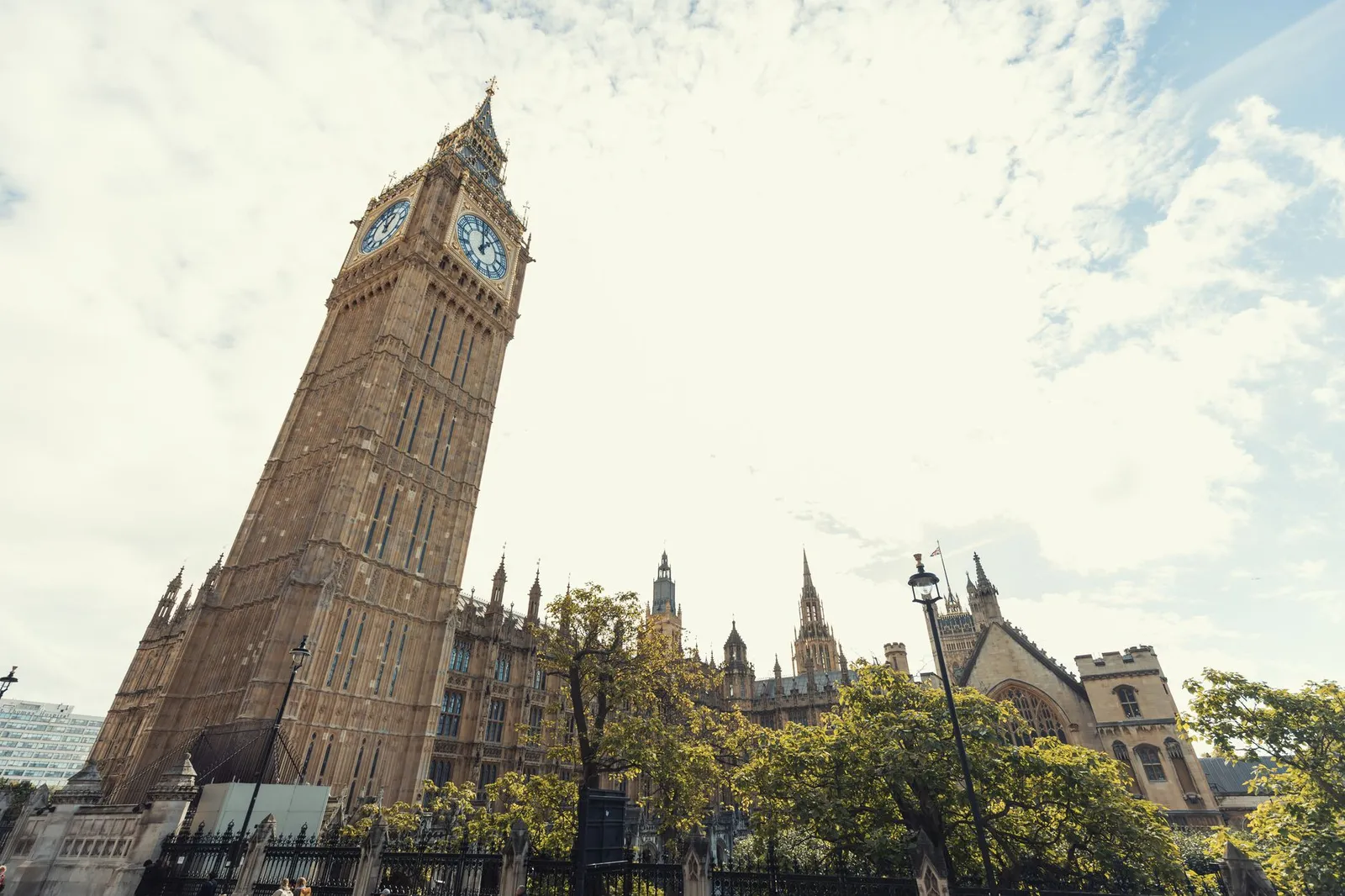
The best times to visit London are May, June and September, when average highs sit comfortably around 17.9 °C in May, 21.3 °C in June and 19.9 °C in September, with long days of sunshine and manageable rain. June sees around 10 rain days alongside 11.4 hours of sunshine a day, giving you the best of London's summer without the school-holiday rush. July and August are peak season, hottest and busiest with crowds and higher prices. Winter (December through February) is the quiet low season — cool, grey and short on daylight, but rewarding for travellers who want the city to themselves.
Best months MayJuneSeptember
London month by month
Average highs and lows (°C), 2016–2025. Highlighted bars are the best months.
| Month | High | Low | Rain days | Sun / day |
|---|---|---|---|---|
| January | 7.6 °C | 1.8 °C | 12 | 4.2 h |
| February | 9.3 °C | 2.9 °C | 11 | 5.1 h |
| March | 11.2 °C | 4 °C | 13 | 6.6 h |
| April | 14.2 °C | 5.2 °C | 9 | 9.6 h |
| May | 17.9 °C | 8.7 °C | 11 | 10.7 h |
| June | 21.3 °C | 12.2 °C | 10 | 11.4 h |
| July | 22.9 °C | 14.3 °C | 10 | 11.4 h |
| August | 22.6 °C | 14 °C | 9 | 10.2 h |
| September | 19.9 °C | 11.8 °C | 11 | 8.4 h |
| October | 15.6 °C | 9 °C | 12 | 6.2 h |
| November | 10.9 °C | 5.2 °C | 12 | 4.6 h |
| December | 9 °C | 4 °C | 12 | 3.4 h |
How the months are picked.A month qualifies when its average high sits in the comfortable 20–28 °C band (scored down towards 9 °C and 37 °C), rain days are few and sunshine hours are high — at least 78 % of the city's best-scoring month. July and August are then set aside as peak season (school-holiday crowds and prices) whenever at least three other months qualify; where summer is the only comfortable window they stay. Figures are ten-year averages (2016-01-01 to 2025-12-31) from ERA5 reanalysis data via Open-Meteo (CC BY 4.0) for the city centre coordinates.
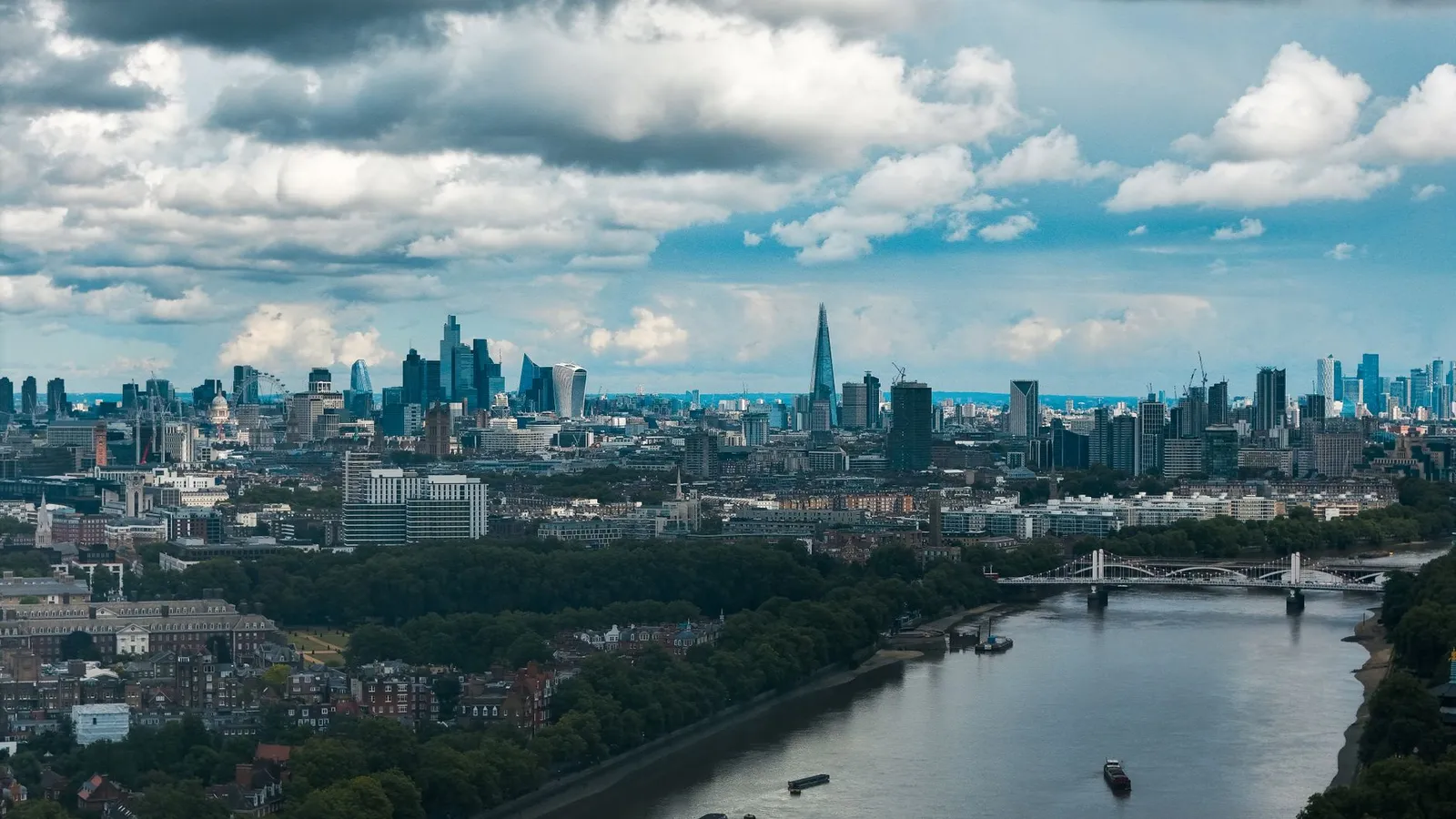
When to go, and what to expect
Spring (Mar–May)
Ideal for garden-lovers and sightseers who want mild days and colour without summer prices.
Summer (Jun–Aug)
Great weather and long evenings, but June gives you the same warmth with fewer people.
Autumn (Sep–Nov)
September is a top pick for warm days and thinner crowds; later autumn suits budget-minded, low-key visits.
Winter (Dec–Feb)
Worth it for festive lights, museums and fewer queues — pack for short, damp days.
Notable events
- Late August (bank holiday weekend)
- Notting Hill Carnival
- Late June to early July
- Wimbledon Championships
- May
- Chelsea Flower Show
- November to December
- Christmas lights and markets
Frequently asked
Is London too hot in August?
No — August is the warm end of summer with average highs of 22.6 °C, comfortable for sightseeing, though it's peak season with school-holiday crowds and higher prices.
What is the rainiest month in London?
March records the most rain days at 13, though rain is spread fairly evenly year-round with most months seeing 9 to 12 rain days.
Is winter worth visiting London?
Yes, if you don't mind the cool and grey — December highs are around 9 °C with just 3.4 hours of sunshine a day, but the festive season and quieter attractions are a real reward.
Know when to go? Now decide where to stay — our London area guide →
Areas of London
Best time to visit near here
Sources
- Open-Meteo historical weather API — monthly climate normals, 2016–2025 (CC BY 4.0)
- ERA5 reanalysis (ECMWF / Copernicus) — the underlying temperature, precipitation and sunshine data
- ReasonStay methodology — how the best months are computed and checked
An independent guide to London — honest, verified, no invented data. Climate figures: ERA5 via Open-Meteo, 2016–2025 averages; the best months are computed from them, not opinion.