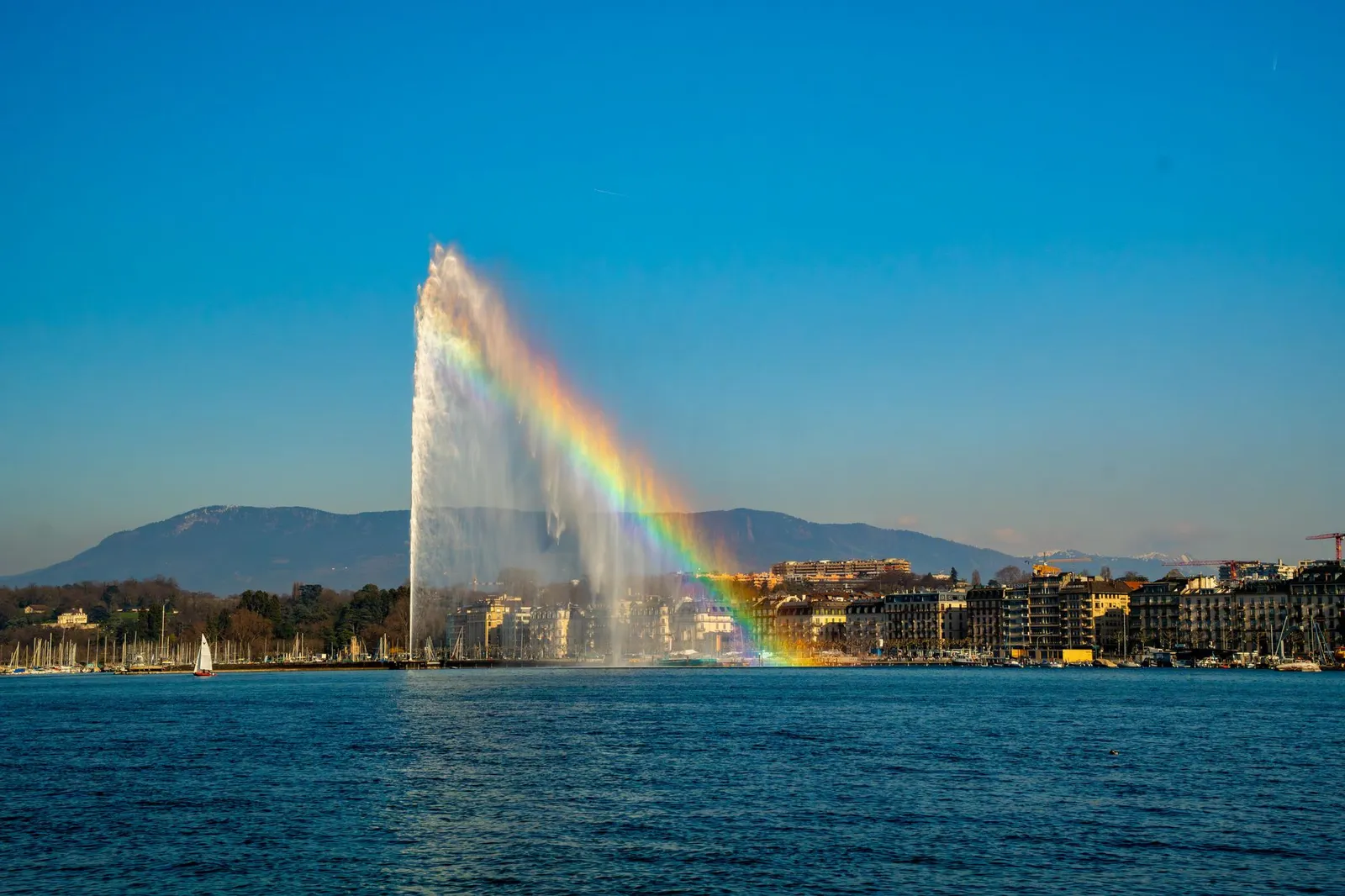
For a first visit to Geneva, base yourself around the lakeside city centre (Rive Gauche/Rive Droite) for easy access to the Jet d'Eau, shops and transport. The Old Town (Vieille Ville) suits history lovers and those wanting quiet charm, Pâquis works for nightlife, dining and travellers on a tighter budget, and Carouge appeals to visitors after a bohemian, café-lined atmosphere away from the tourist core.
The areas, by traveller
City Centre / Rive Gauche
The left-bank commercial heart around Rue du Rhône and the lakefront, steps from the Jet d'Eau and the English Garden's flower clock. Central for shopping, promenades and public transport.
Explore City Centre / Rive Gauche →Old Town (Vieille Ville)
Geneva's hilltop historic quarter, home to St. Pierre Cathedral, cobbled lanes and antique shops. Atmospheric and central but hillier and quieter after dark.
Explore Old Town (Vieille Ville) →Pâquis
A dense, multicultural district on the right bank near the lake and main train station, packed with restaurants, bars and cafés. Lively and well-connected, with a grittier, urban edge.
Explore Pâquis →Cornavin / Les Grottes (Rive Droite)
The area around Cornavin, Geneva's main railway station, is a natural hub for arrivals and onward trains. Practical and central, with easy tram and bus links across the city.
Explore Cornavin / Les Grottes (Rive Droite) →Carouge
A distinct former Sardinian town south of the centre, known for its Italianate squares, artisan workshops and relaxed café culture. Easily reached by tram but set apart from the main sights.
Explore Carouge →Eaux-Vives
A residential left-bank neighbourhood stretching along the lake past the Jet d'Eau, with parks, marinas and a growing dining scene. Central yet more laid-back than the commercial core.
Explore Eaux-Vives →
Practical basics
- Getting in
- Geneva Airport (GVA) sits just northwest of the city and connects to the centre in minutes by frequent train to Cornavin station or by bus.
- Best time to visit
- Late spring through early autumn brings mild weather and lake activity, while December offers festive markets and a quieter, colder city.
- Getting around
- Geneva is compact and walkable, with an efficient tram, bus and local train network; many hotels provide a free public transport card for guests.
- Currency
- Switzerland uses the Swiss franc (CHF); cards are widely accepted, though some smaller cafés and markets prefer cash.
Frequently asked
Which area is best for first-time visitors?
The lakeside city centre (Rive Gauche) is the easiest base, putting you within walking distance of the Jet d'Eau, shops, the lakefront and major transport links.
Where should I stay for nightlife and cheaper options?
Pâquis, on the right bank near the station and lake, has the widest range of bars, international restaurants and generally more affordable stays, though it feels more urban.
Is it better to stay near the train station or the lake?
Near Cornavin station is most convenient for arrivals and day trips, while the lakefront and Eaux-Vives offer nicer surroundings; both are well connected, so it depends on your priorities.
Cities near Geneva
Hand-picked hotel guides for Geneva — real hotels, exact prices and distances — are on the way. This page will grow into the full recommendation set.
An independent guide to where to stay in Geneva — hotel recommendations are on the way.