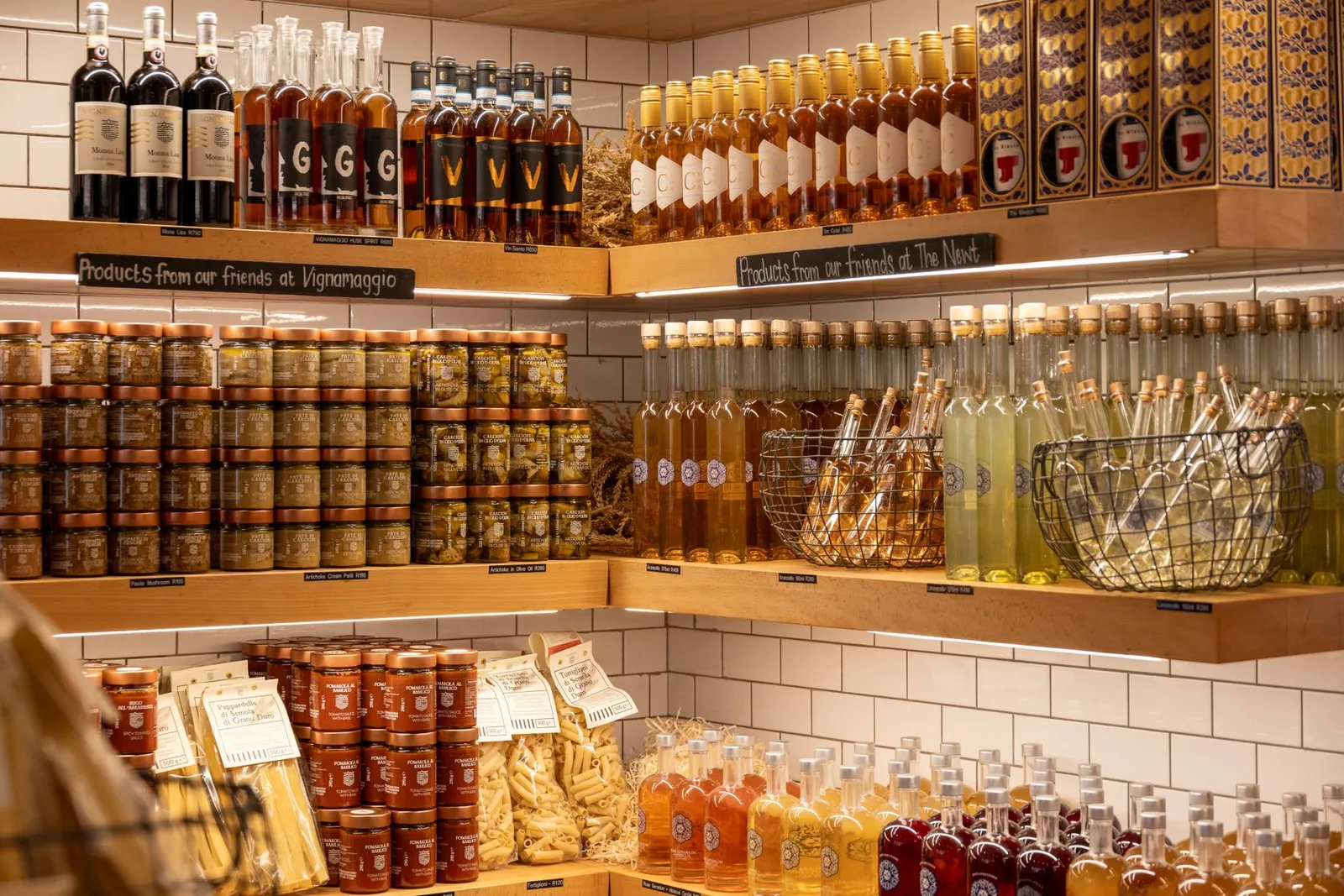
The best time to visit Cork is June, July and August, when average highs reach 17.9 °C in June, 19.5 °C in July and 19.1 °C in August, sunshine runs close to 10 hours a day, and rain days ease to their lowest of the year — 12 in June. July and August fall in the peak summer window, busiest with school holidays and warmest weather. The quiet low season runs November through February, when highs sit near 8.5 °C and daylight is short, but the city stays walkable and calm.
Best months JuneJulyAugust
Cork month by month
Average highs and lows (°C), 2016–2025. Highlighted bars are the best months.
| Month | High | Low | Rain days | Sun / day |
|---|---|---|---|---|
| January | 8.5 °C | 3.4 °C | 14 | 4 h |
| February | 9.4 °C | 4.2 °C | 15 | 4.9 h |
| March | 10.3 °C | 4.1 °C | 15 | 6.3 h |
| April | 12.3 °C | 5.6 °C | 13 | 8.4 h |
| May | 15.6 °C | 8.3 °C | 13 | 10 h |
| June | 17.9 °C | 10.9 °C | 12 | 9.9 h |
| July | 19.5 °C | 12.5 °C | 13 | 9.5 h |
| August | 19.1 °C | 12.4 °C | 14 | 9.1 h |
| September | 16.9 °C | 10.6 °C | 13 | 7.2 h |
| October | 13.9 °C | 8.6 °C | 15 | 5.5 h |
| November | 10.6 °C | 5.8 °C | 15 | 4.2 h |
| December | 9.3 °C | 4.8 °C | 16 | 3.2 h |
How the months are picked.A month qualifies when its average high sits in the comfortable 20–28 °C band (scored down towards 9 °C and 37 °C), rain days are few and sunshine hours are high — at least 78 % of the city's best-scoring month. July and August are then set aside as peak season (school-holiday crowds and prices) whenever at least three other months qualify; where summer is the only comfortable window they stay. Figures are ten-year averages (2016-01-01 to 2025-12-31) from ERA5 reanalysis data via Open-Meteo (CC BY 4.0) for the city centre coordinates.
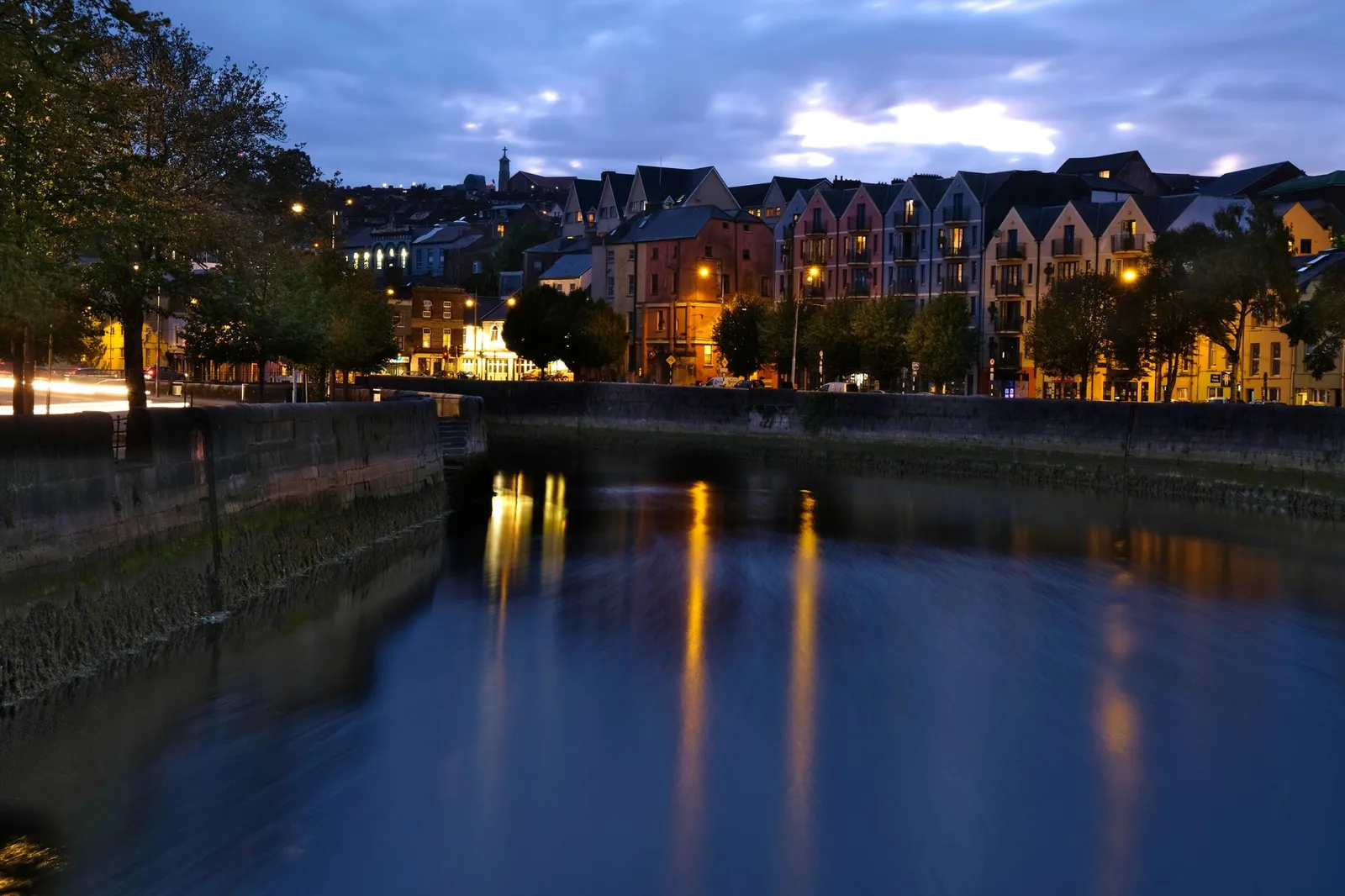
When to go, and what to expect
Spring (Mar–May)
A fresh, green shoulder for walkers and gardens before summer prices.
Summer (Jun–Aug)
The prime window — best warmth and light, worth booking ahead.
Autumn (Sep–Nov)
Mild early autumn suits food-lovers; later months turn grey and wet.
Winter (Dec–Feb)
For festive markets and cosy pubs rather than sightseeing weather.
Notable events
- March
- St Patrick's Festival
- June
- Cork Midsummer Festival
- October
- Cork Jazz Festival
- December
- Christmas at the English Market
Frequently asked
Is August too hot in Cork?
No. August highs average 19.1 °C, comfortably mild, though it does see 14 rain days, so pack a light waterproof.
What is the rainiest month in Cork?
December is wettest with 16 rain days, closely followed by the winter and early-spring months at around 15.
Is winter worth visiting?
For festive atmosphere and quiet streets, yes — but expect cool 8.5 °C highs in January and just 3.2 hours of sunshine a day in December.
Know when to go? Now decide where to stay — our Cork area guide →
Areas of Cork
Best time to visit near here
Sources
- Open-Meteo historical weather API — monthly climate normals, 2016–2025 (CC BY 4.0)
- ERA5 reanalysis (ECMWF / Copernicus) — the underlying temperature, precipitation and sunshine data
- ReasonStay methodology — how the best months are computed and checked
An independent guide to Cork — honest, verified, no invented data. Climate figures: ERA5 via Open-Meteo, 2016–2025 averages; the best months are computed from them, not opinion.